 8.9
8.9

Celestron
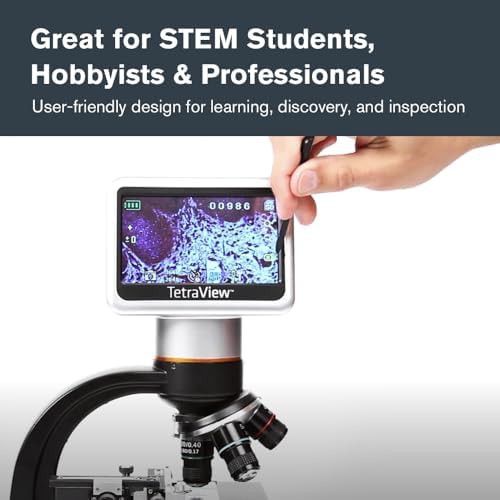
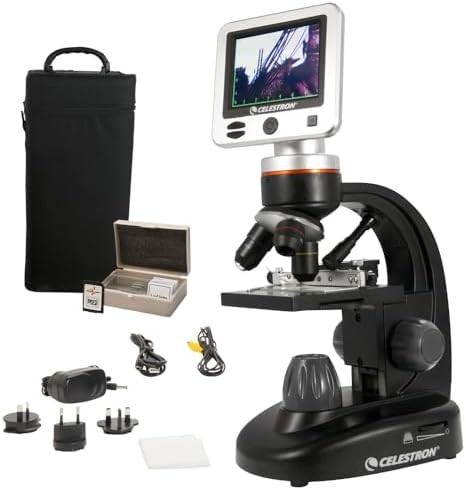
Celestron LCD Digital Microscope Rotating Touchscreen
$242
With cameras Digital With LCD screens
Enhanced power for detailed observation of biological specimens 11 microscopes · 8 brands
8.9
With cameras Digital With LCD screens
 8.5
8.5
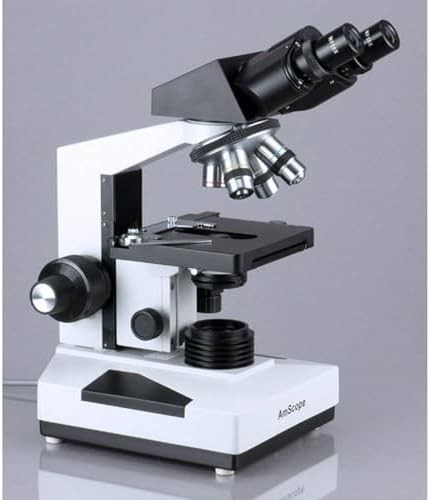
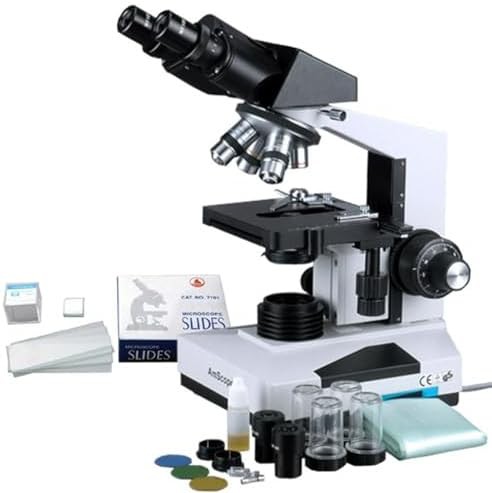
Compound Binocular With mechanical stages Biological
 7.9
7.9
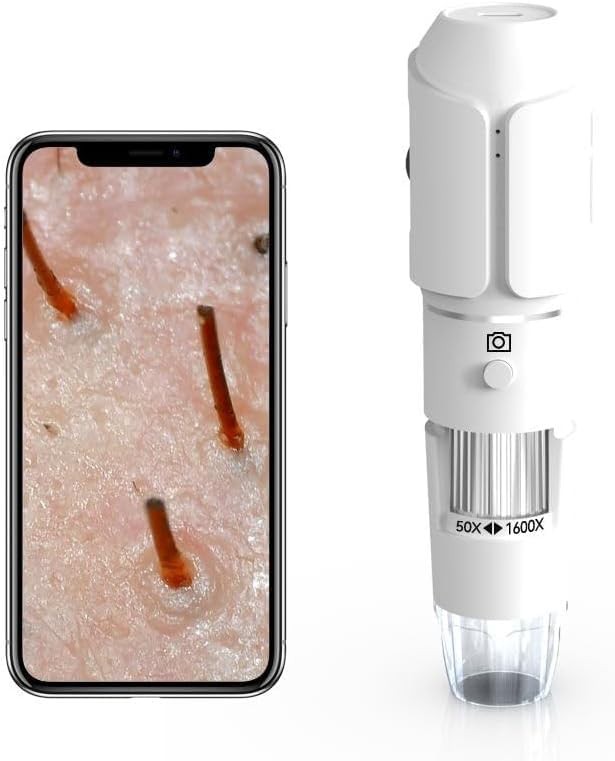 7.0
7.0
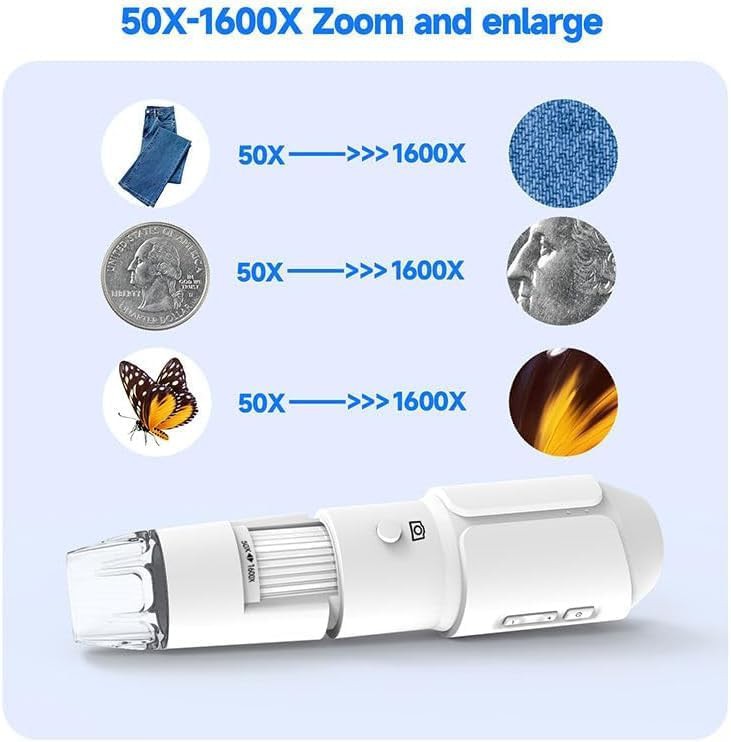
LED illuminated With cameras Digital Affordable USB Coin collection
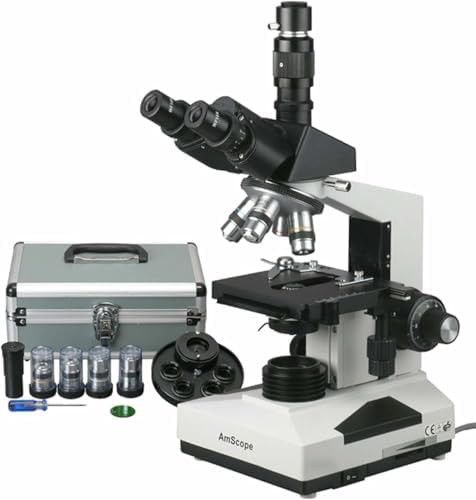 6.6
6.6
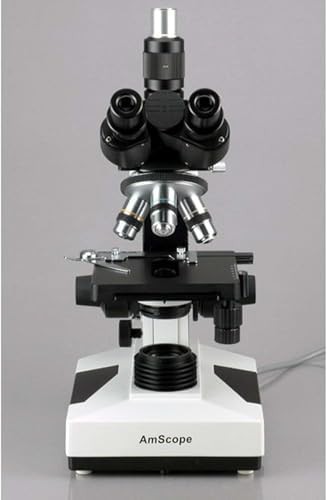
Compound Trinocular With mechanical stages With Abbe condensers
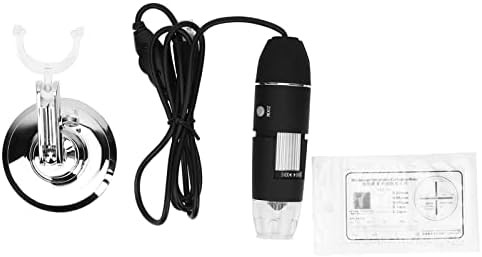 5.8
5.8
LED illuminated With cameras Digital Affordable USB Coin collection
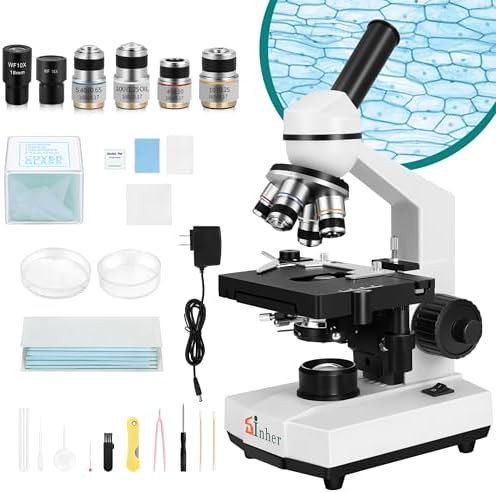
Compound Laboratory For students Professional For kids Monocular
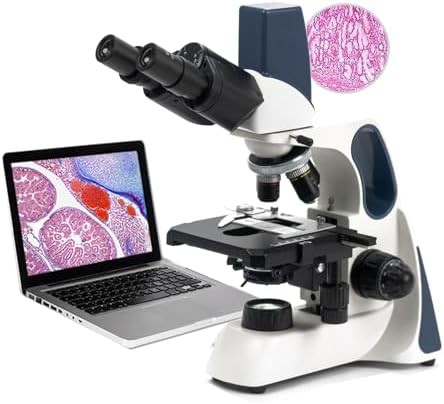
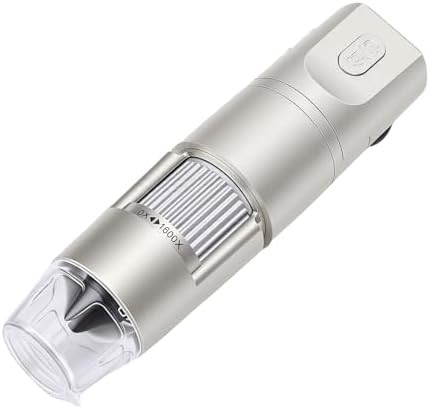
LED illuminated With cameras Digital Affordable USB
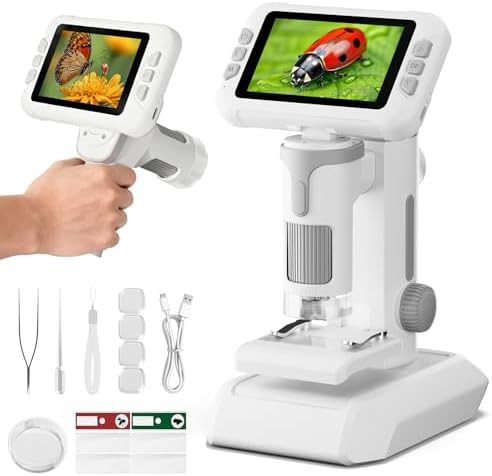 8.4
8.4
With cameras Digital Affordable For kids Portable
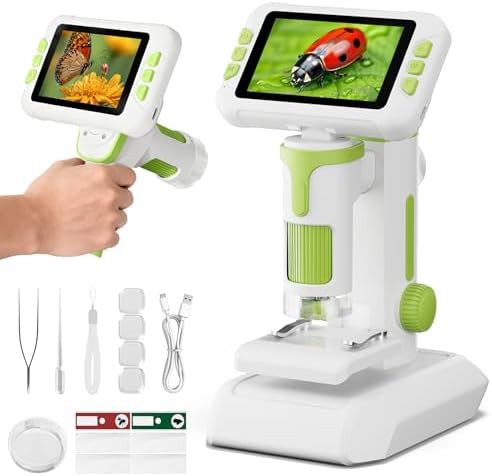 8.3
8.3
With cameras For students Digital Affordable For kids With prepared slides
A 1600x magnification level provides the necessary resolution for examining the finer details of biological specimens such as blood cells and bacteria. This power is achieved through a combination of high-magnification objective lenses and wide-field eyepieces, allowing for clear views of structures that are invisible at lower settings. These units are frequently used for: pcb inspection, coin study, biological slide analysis.
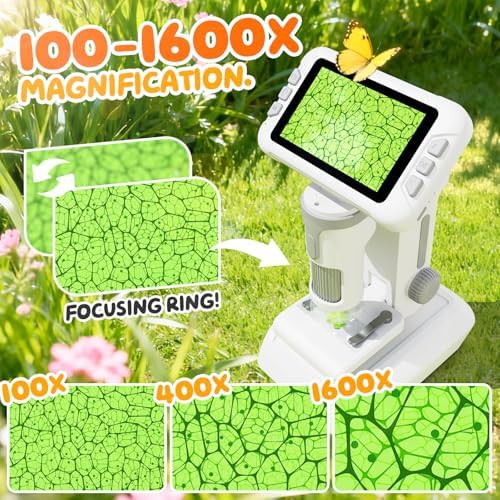
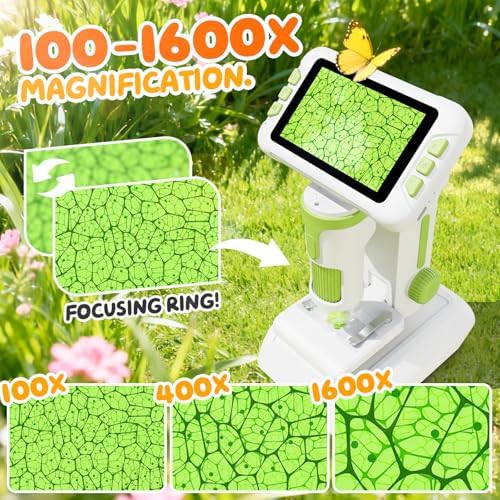
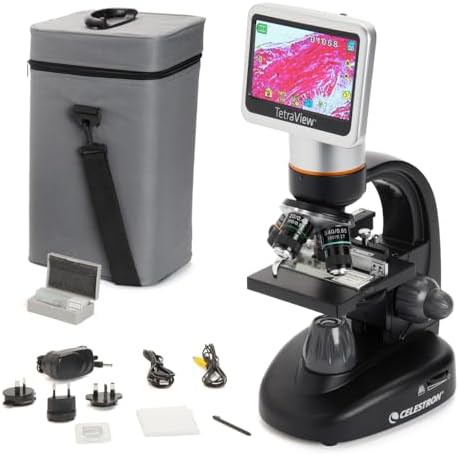
Many models at this magnification tier incorporate built-in screens or cameras to facilitate group viewing and data capture. LCD screens ranging from three to four inches allow users to view specimens without leaning over an eyepiece, which is particularly useful for long inspection sessions or educational demonstrations. These digital interfaces often support high-definition output for external monitors or computers.
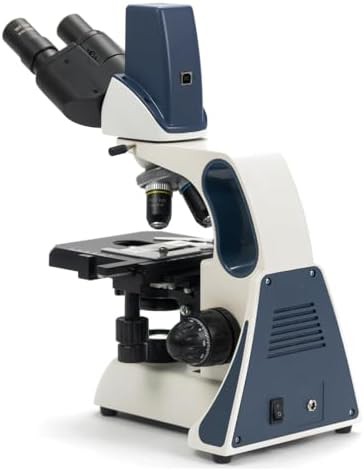
Operating at 1600x requires a stable platform and precise light control to prevent image blurring and ensure clarity. Double-layer mechanical stages allow for minute adjustments of the slide position, while halogen or built-in illumination systems provide the intense light needed for high-power optics. Essential hardware features found at this level include: abbe condensers, mechanical stages, metal stands, rotating lcd screens.
Yes, 1600x is sufficient for observing the general shape and movement of many common bacteria. For the best results, these models often utilize an Abbe condenser to focus light precisely on the specimen.
A digital screen reduces eye strain and allows multiple people to view the specimen simultaneously. It also enables features like digital zoom and direct image capture to a memory card or PC.
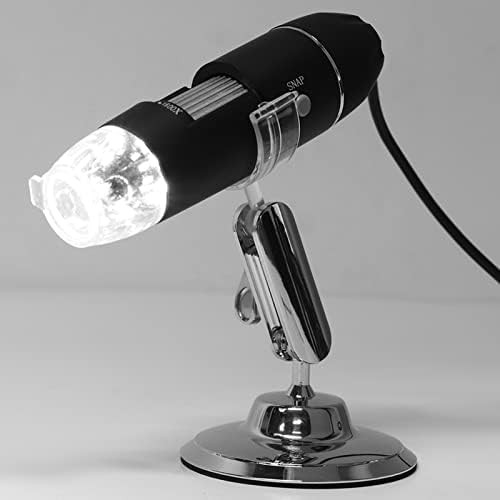
Several models in this category are compatible with Android and PC platforms via USB connections. This allows the 1600x image to be viewed and recorded directly on a smartphone or tablet.
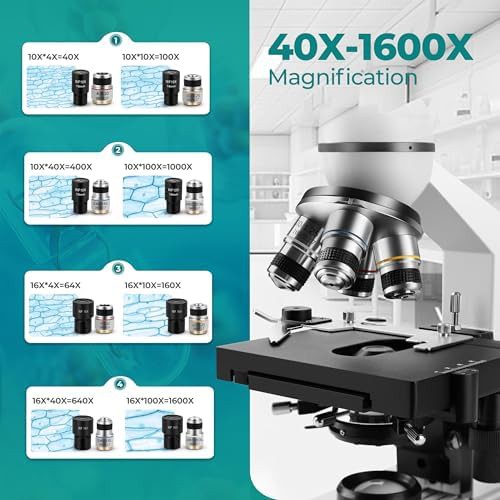
This magnification is typically reached by pairing a 40x or 100x objective lens with WF16x eyepieces. Some units also use digital sensors to achieve high effective magnification on an integrated display.