 9.4
9.4
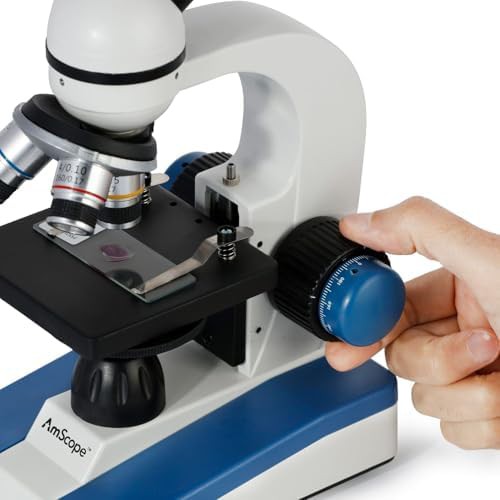
AmScope
All metal optical glass monocular microscope
$115
For students 1000x magnification Monocular
Cool-running, long-lasting light sources for bright specimen viewing 130 microscopes · 55 brands
9.4
For students 1000x magnification Monocular
 9.4
9.4
 9.3
9.3
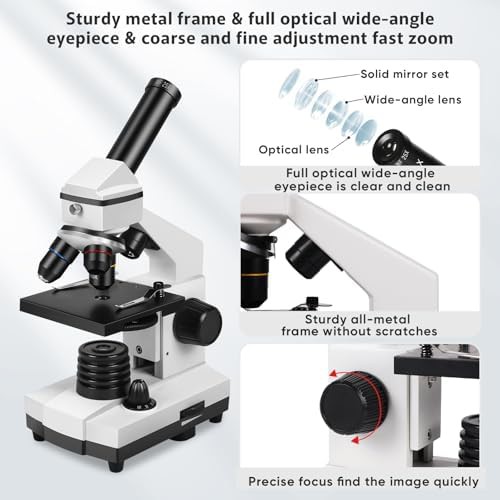
Compound Laboratory For students For adults 1000x magnification
 9.2
9.2
 9.2
9.2
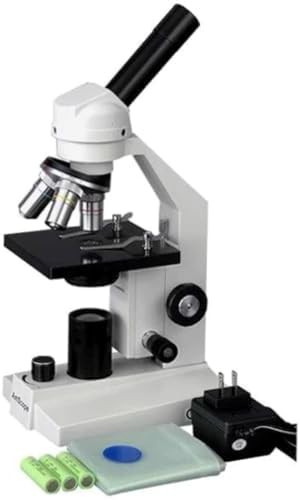
Compound Laboratory Trinocular 1000x magnification Digital
 9.2
9.2
Compound For students 1000x magnification Monocular Dual light
 9.2
9.2
 9.2
9.2
Compound Laboratory For students For adults 2000x magnification
 9.1
9.1
Compound Laboratory For students 1000x magnification 2500x magnification
 9.1
9.1
 9.1
9.1
For adults Digital Coin collection Soldering Jewelry
 9.0
9.0
 9.0
9.0
 9.0
9.0
 9.0
9.0
Compound 1000x magnification Binocular 2000x magnification
 9.0
9.0
Trinocular 1000x magnification 2500x magnification
 9.0
9.0
Compound Laboratory For students Binocular 2500x magnification
 9.0
9.0
For students For adults 1000x magnification 2000x magnification For kids
 9.0
9.0
Compound Laboratory For students For adults 2500x magnification
 9.0
9.0
Compound For adults Binocular Professional 5000x magnification
 9.0
9.0
Compound Laboratory With cameras Trinocular For students
 8.9
8.9
Compound Laboratory For students Binocular 2500x magnification
 8.9
8.9
Compound Laboratory For students Binocular 2500x magnification
 8.9
8.9
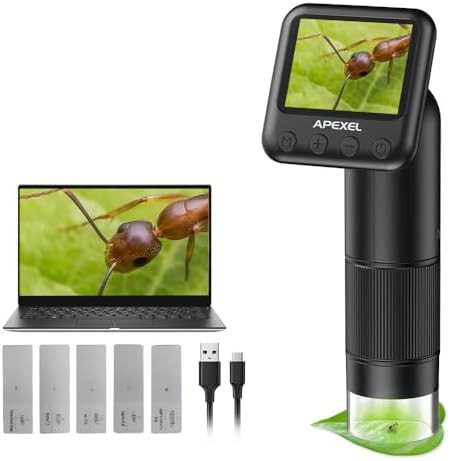
For adults Digital Affordable Coin collection With LCD screens
 8.9
8.9
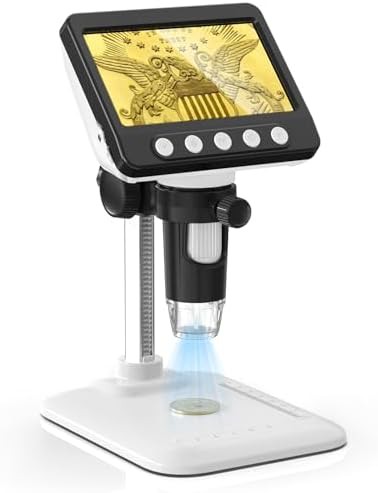
Digital Affordable USB Coin collection With LCD screens
 8.9
8.9
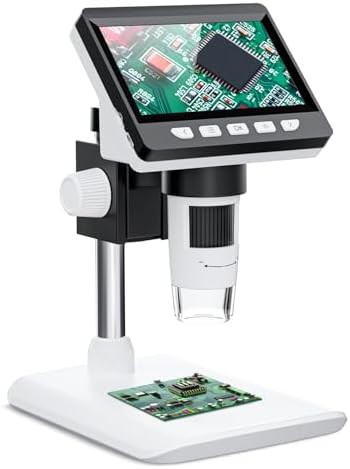
1000x magnification Digital Affordable USB Coin collection
 8.9
8.9
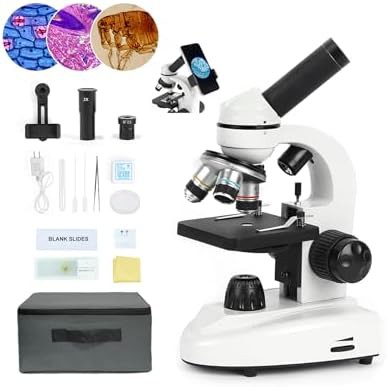
For adults 1000x magnification Digital Affordable USB
 8.8
8.8
For students For adults 1000x magnification 2000x magnification
 8.8
8.8
Compound Laboratory For students For adults 1000x magnification
 8.8
8.8
Compound Laboratory For students For adults 2500x magnification
 8.7
8.7
For students Binocular Stereo Affordable For kids
 8.7
8.7
Compound With cameras 1000x magnification USB Monocular
 8.7
8.7
 8.7
8.7
Digital Affordable Coin collection With LCD screens With metal stands
 8.6
8.6
Compound Laboratory For students Digital 2000x magnification
 8.6
8.6
Compound 1000x magnification Monocular Biological With prepared slides
 8.6
8.6
 8.6
8.6
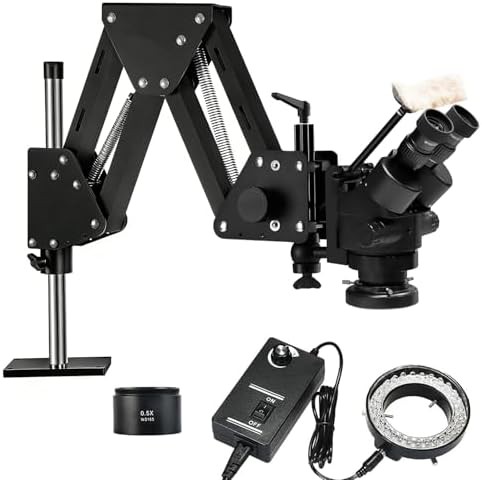
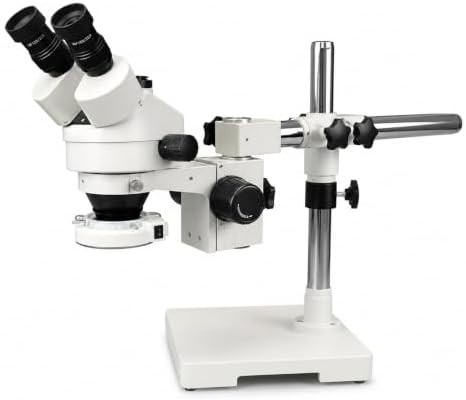
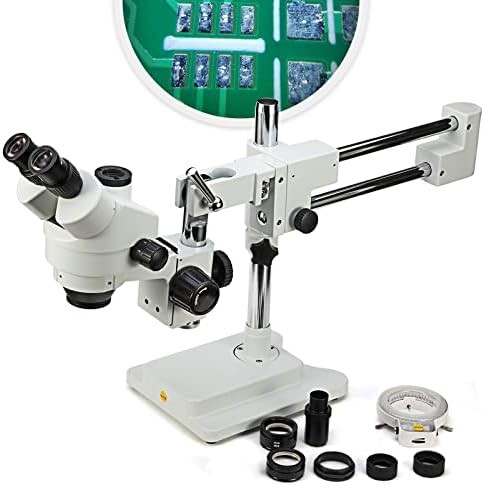
Trinocular Professional Stereo Boom arm
 8.5
8.5
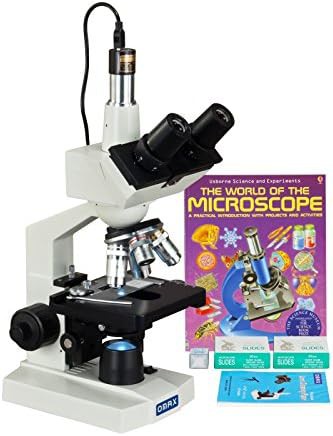
Laboratory Trinocular 1000x magnification Digital 2500x magnification
 8.5
8.5
With cameras For adults Digital USB Coin collection
 8.5
8.5
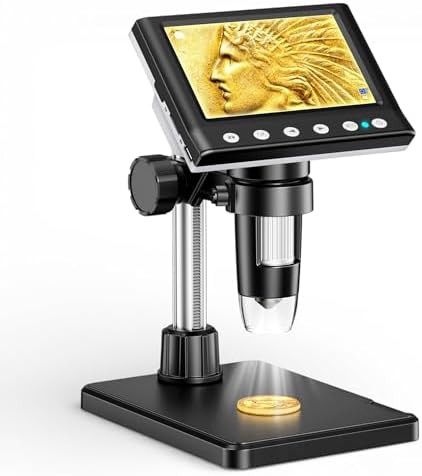
1000x magnification Digital Affordable Coin collection With LCD screens
 8.5
8.5
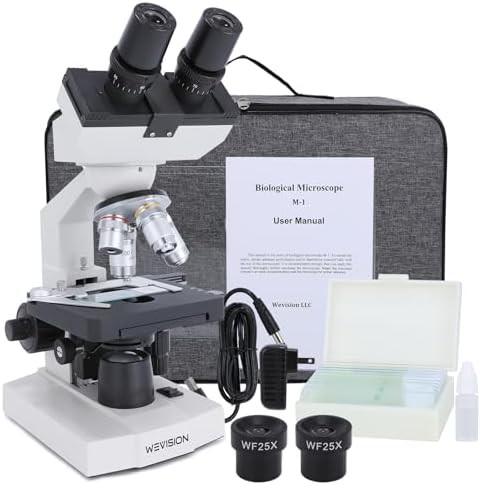
Compound Laboratory Binocular 2500x magnification Professional
 8.4
8.4
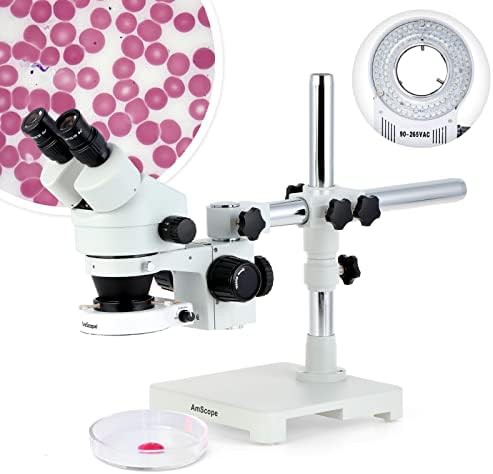
Laboratory For adults Binocular Stereo Boom arm
 8.4
8.4
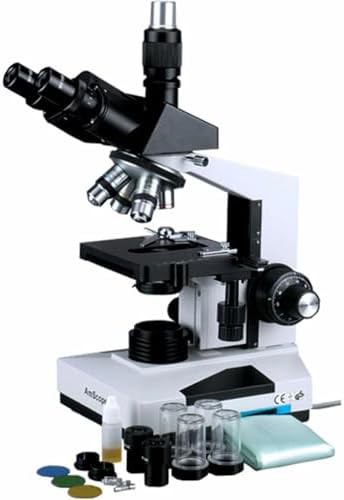
Compound Trinocular 2000x magnification With mechanical stages Biological
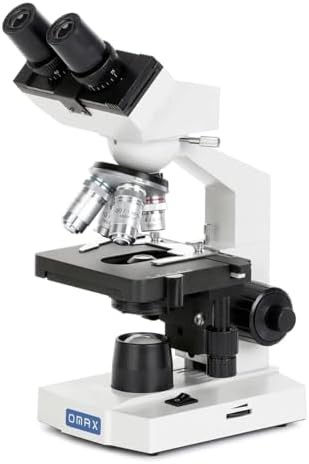 8.3
8.3
Compound Laboratory Binocular 2000x magnification
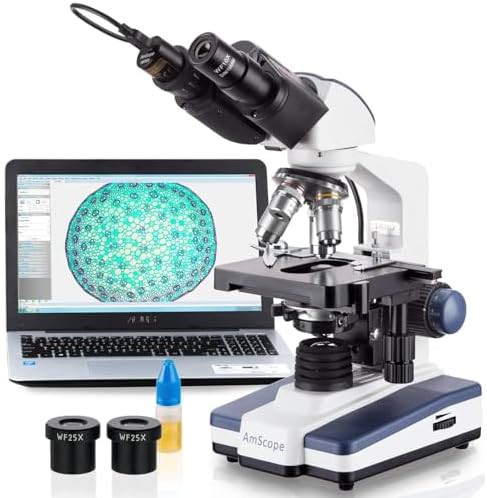 8.3
8.3
Compound Laboratory With cameras For students Binocular
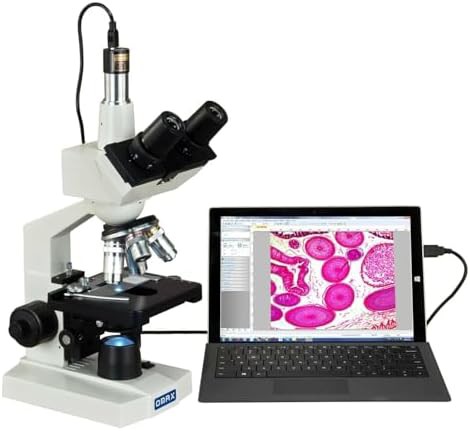 8.3
8.3
Compound Laboratory With cameras Trinocular Digital
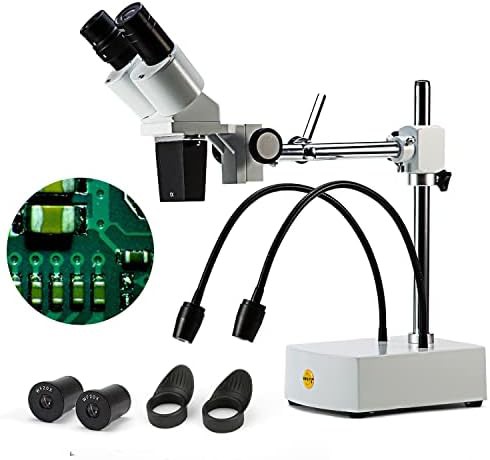 8.3
8.3
Binocular Professional Stereo Coin collection Boom arm
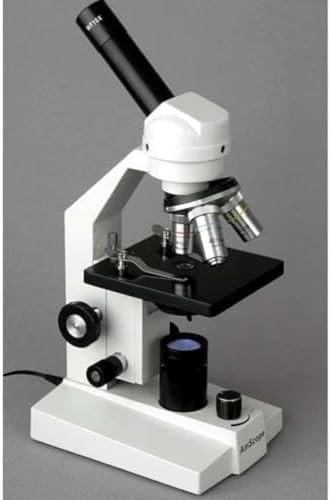
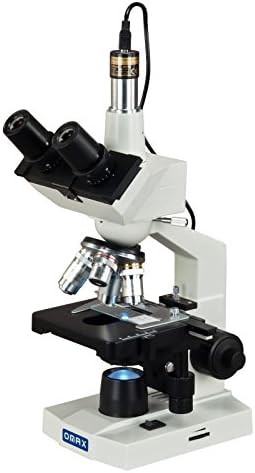
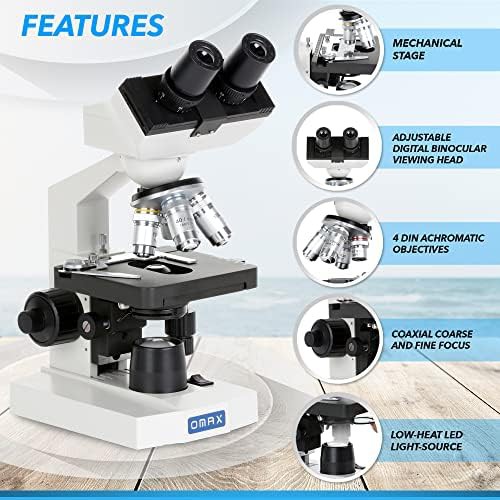
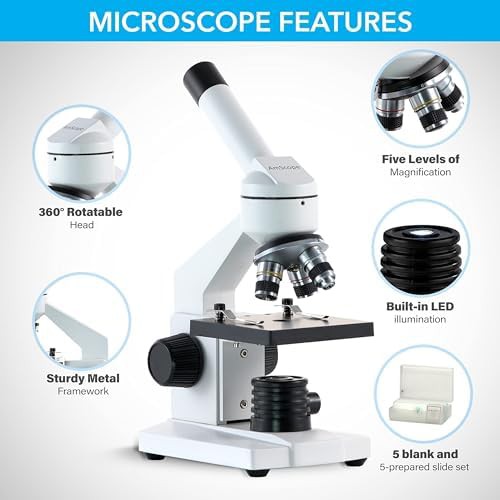
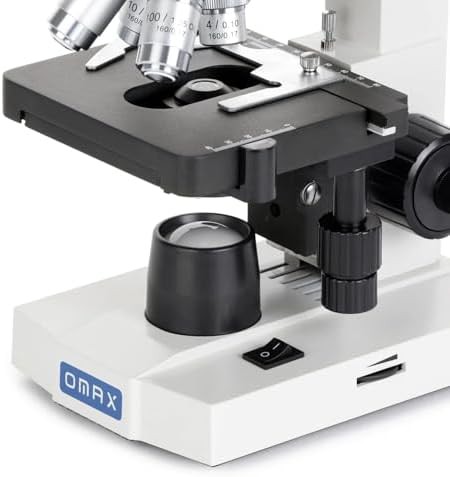
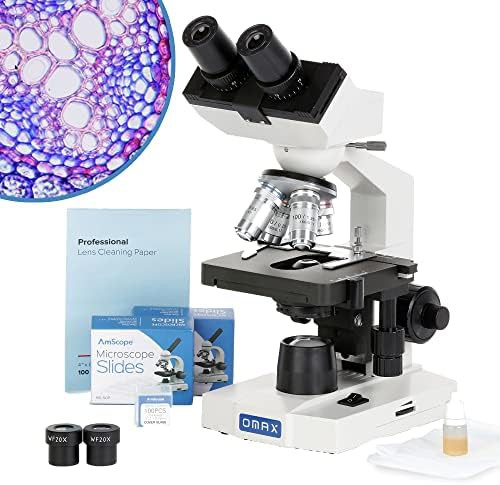
LED illumination provides a bright, white light that remains cool even during extended periods of use. This is particularly beneficial when observing live biological specimens, as heat from traditional halogen bulbs can dry out or damage sensitive samples. The light is typically adjustable, allowing the user to control the intensity to suit different magnification levels and specimen densities.
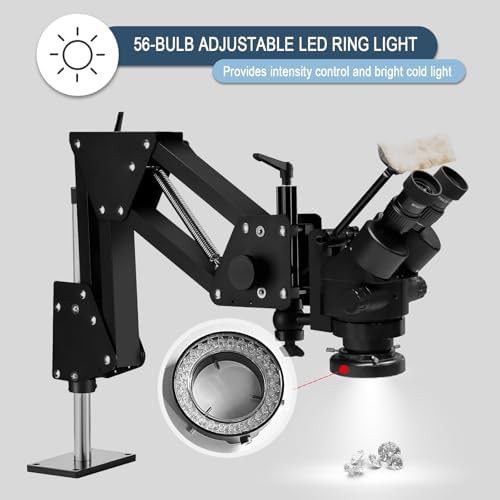
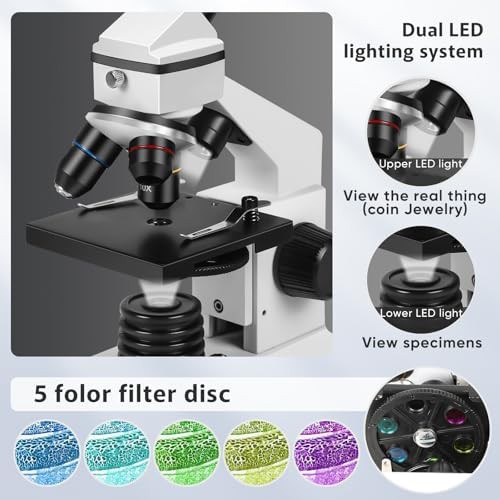
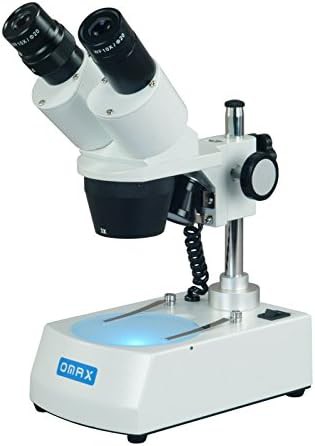
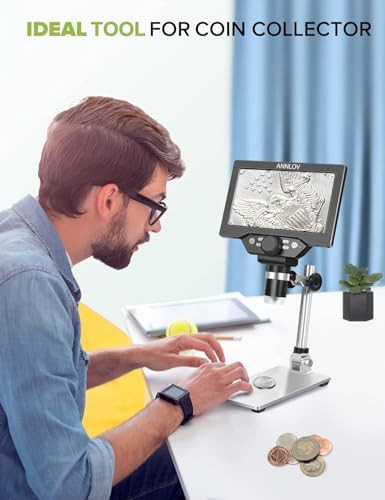
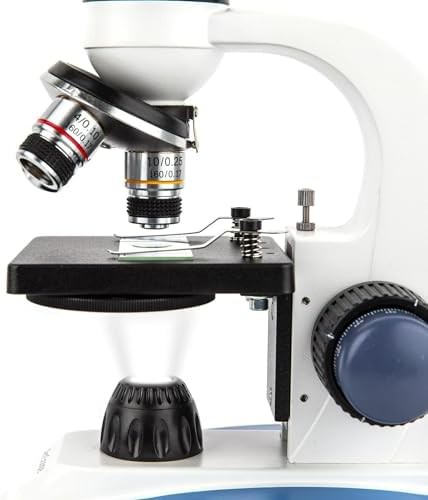
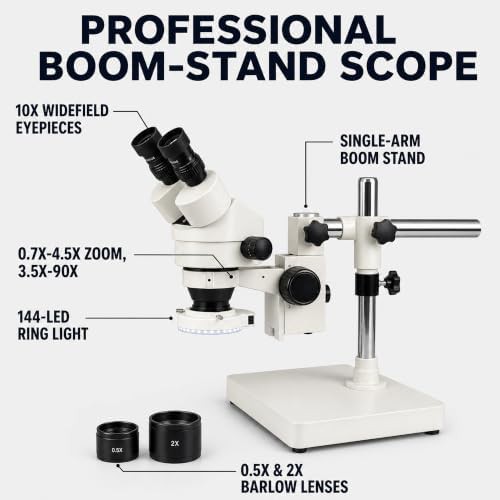
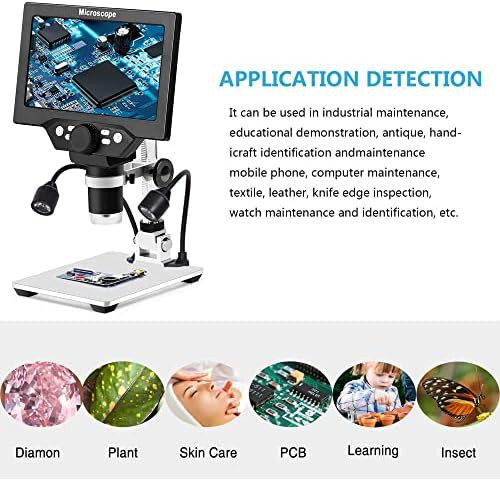
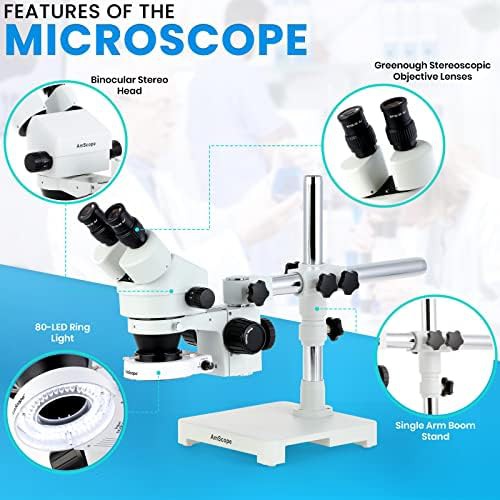
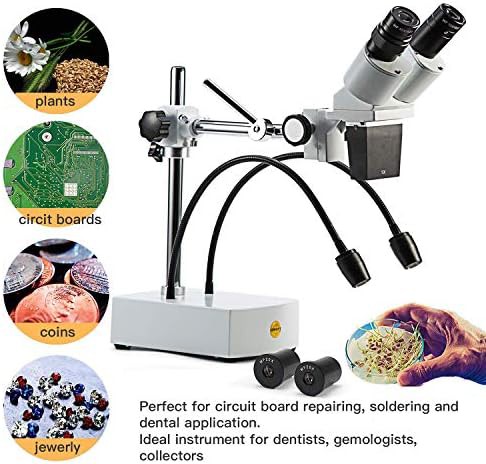
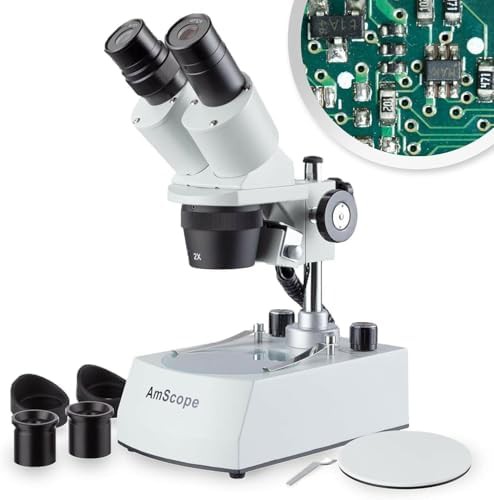
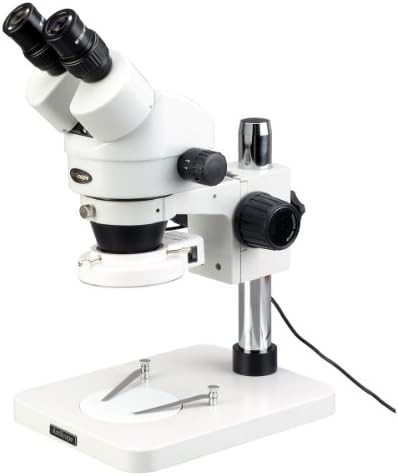
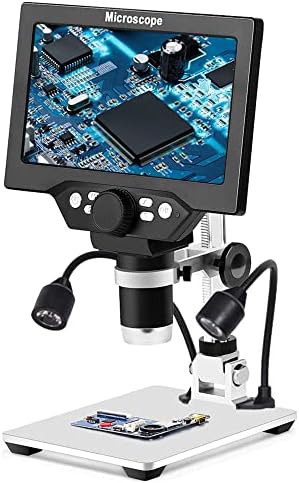
These systems often feature dual-light configurations that include both transmitted light from below the stage and incident light from above. Transmitted light is used for transparent slides, while incident light allows for the inspection of solid, opaque objects like coins or circuit boards. The LEDs are integrated into the base or the arm of the microscope, often protected by a frosted lens to ensure even light distribution: bottom illuminators, top gooseneck lights, ring lights, adjustable dimmers.
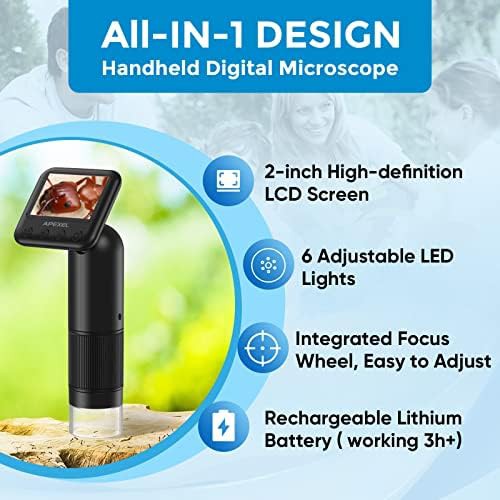
The low energy requirements of LED bulbs enable many of these microscopes to operate on battery power. This cordless functionality makes the instruments highly portable for use in various environments without the need for tethering to a wall outlet. The long lifespan of the LEDs also reduces the need for frequent bulb replacements, making the hardware more reliable for long-term educational or professional use.
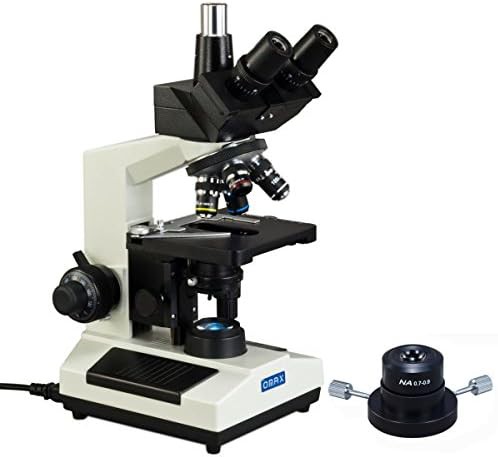
Advanced models pair LED light sources with Abbe condensers and iris diaphragms to further refine the light path. These components help concentrate the light into a tight cone, improving contrast and resolution at high magnifications. Users can choose between different lighting modes depending on the task, such as: 3-way cordless LED, dual LED illumination, fixed brightness, variable intensity.
LEDs generate very little heat compared to halogen bulbs, which prevents the specimen from overheating. This is essential for keeping live organisms in pond water alive during observation. It also prevents the slide mounting medium from melting or warping under the lens.
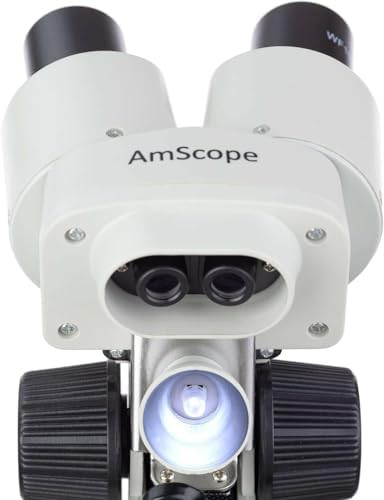
Dual illumination means the microscope has two separate light sources, one located below the stage and one above it. The bottom light is used for viewing transparent slides, while the top light illuminates the surface of solid objects. This makes the microscope more versatile for different types of hobbyist or scientific work.
LED bulbs are designed for longevity and can often last for tens of thousands of hours of active use. Unlike filament-based bulbs, they are resistant to shocks and vibrations, making them more durable for student use. They rarely require replacement during the lifetime of the microscope.
Most LED-equipped microscopes include a dimmer switch or a rheostat to control the light intensity. This allows the user to reduce glare at low magnifications or increase the light for high-power objectives. Proper light adjustment is key to achieving the best contrast for different types of specimens.