 9.3
9.3
PALOBIL
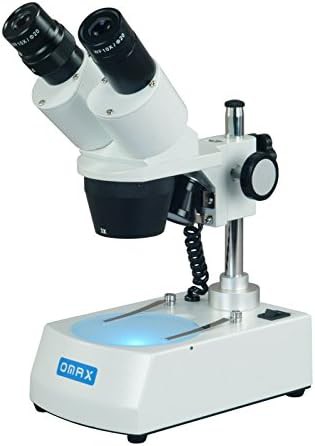
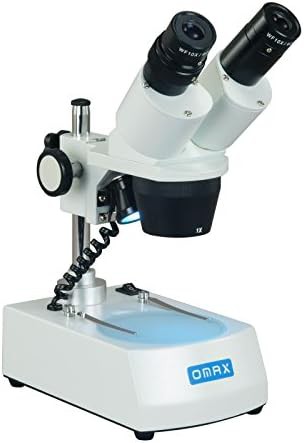
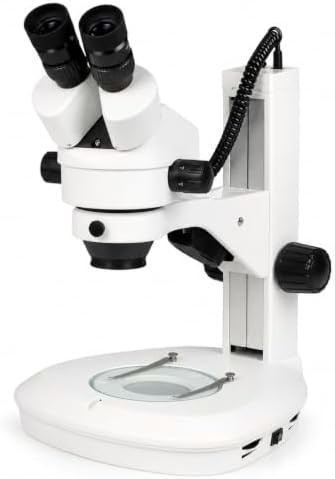
Stereo plant microscope with dual light
$77.77
Compound LED illuminated Laboratory For students For adults 1000x magnification
Top and bottom illumination for viewing both slides and solid objects 17 microscopes · 16 brands
9.3
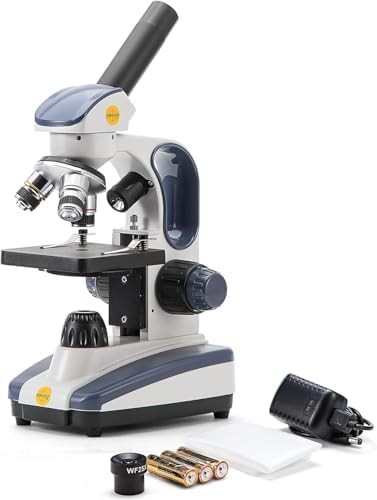
Compound LED illuminated Laboratory For students For adults 1000x magnification
 9.2
9.2
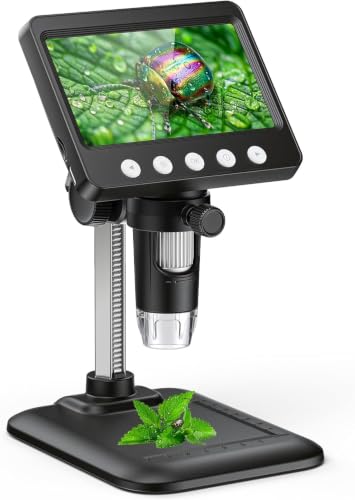
Compound LED illuminated For students 1000x magnification Monocular
 9.2
9.2
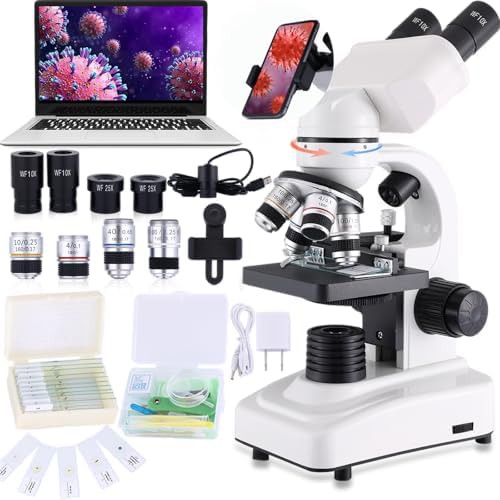
1000x magnification Adults Black Affordable Coin collection Digital
 9.1
9.1
Compound For adults Binocular 2500x magnification With mechanical stages
 9.0
9.0
 9.0
9.0
Laboratory For students For adults Binocular 2500x magnification With mechanical stages
 8.5
8.5
Compound Laboratory With cameras For students 1000x magnification Monocular
 8.2
8.2
Laboratory For adults Binocular 2500x magnification
 7.8
7.8
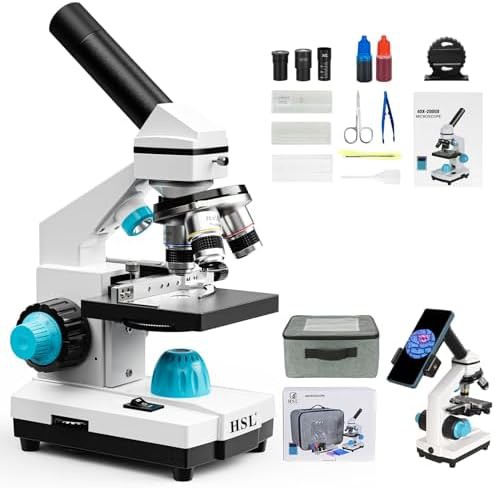
LED illuminated Binocular Stereo
 7.2
7.2
Compound Laboratory For students For adults 1000x magnification 2000x magnification
 4.0
4.0
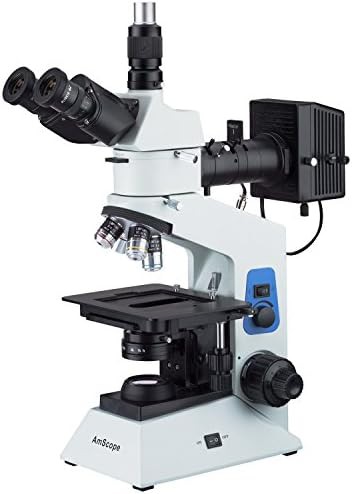
Trinocular With mechanical stages
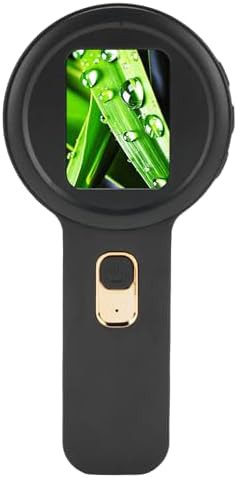
Black LED illuminated With cameras For adults Digital Professional
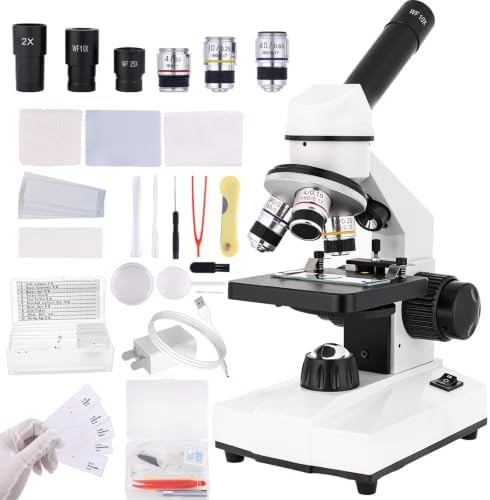
Compound Laboratory For adults 2000x magnification 2500x magnification Affordable
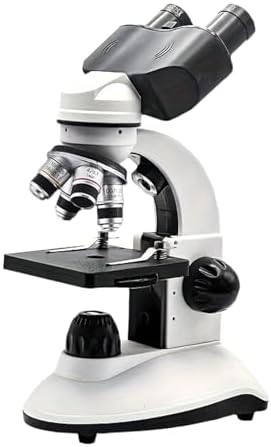
Compound LED illuminated For students For adults Binocular Affordable
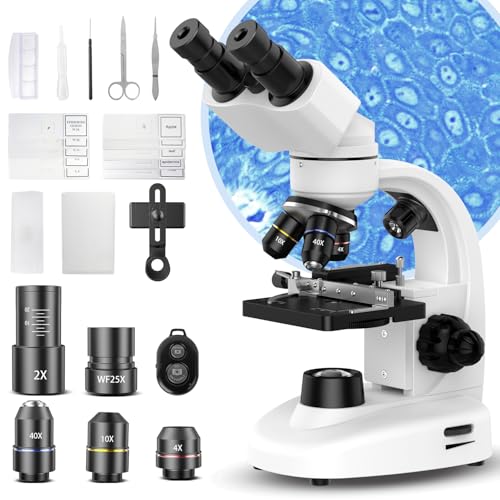
1000x magnification 2000x magnification Adults Binocular Coin collection Compound
 8.6
8.6
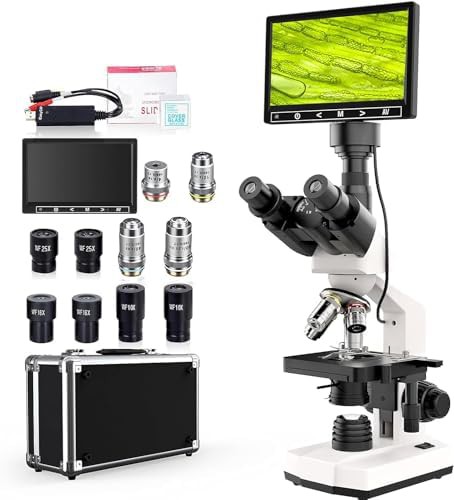
Compound Laboratory With cameras Trinocular For students For adults
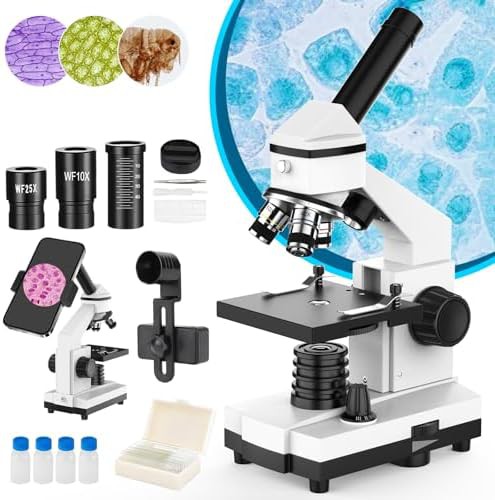
For students For adults 2000x magnification For kids Monocular Biological
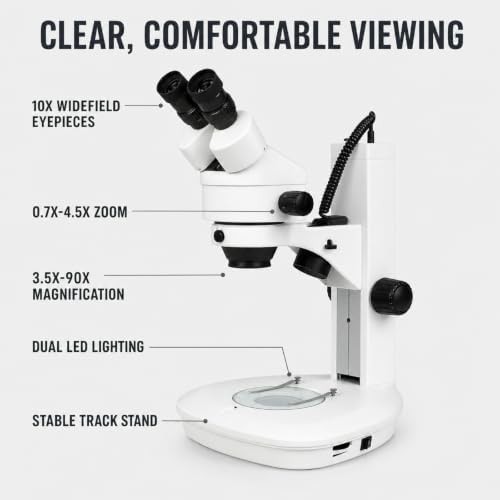
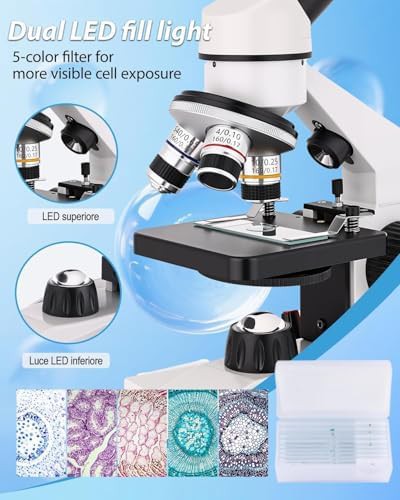
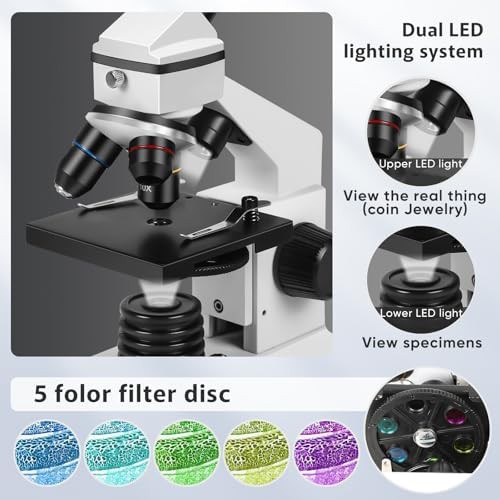
Dual light systems provide the flexibility to view a wide range of subjects by offering both transmitted and reflected light. The bottom light source shines through transparent slides to reveal internal cellular structures, while the top light illuminates the surface of solid, opaque objects like coins, insects, or leaves. This configuration makes the instrument useful for biological studies and basic metallurgical or hobbyist inspections.
Users can often toggle between the two light sources or use them simultaneously depending on the thickness and transparency of the sample. This dual functionality is particularly helpful in educational settings where students may transition quickly between prepared slides and found objects from nature. The lighting is typically provided by energy-efficient LEDs that remain cool during extended periods of use.
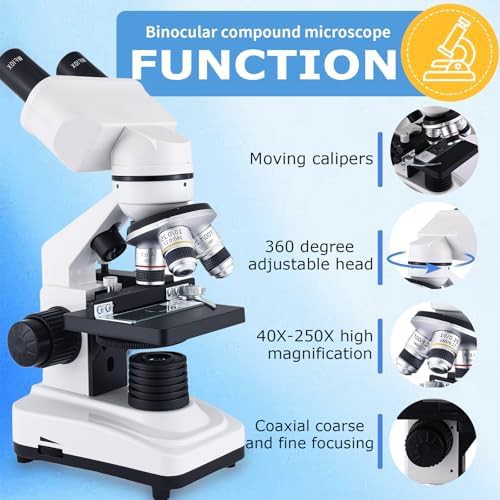
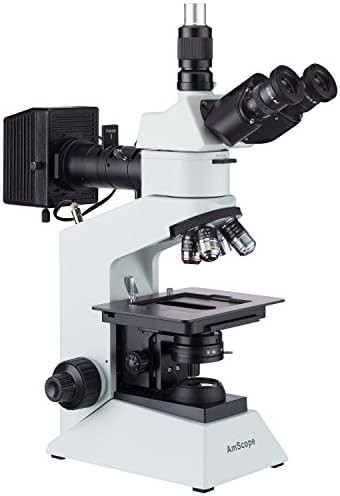
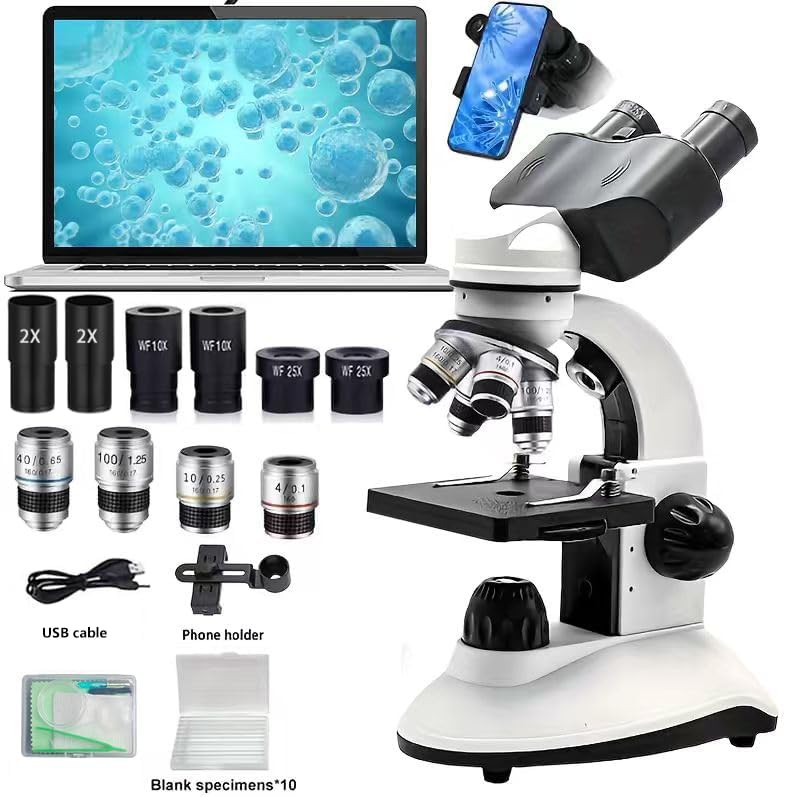
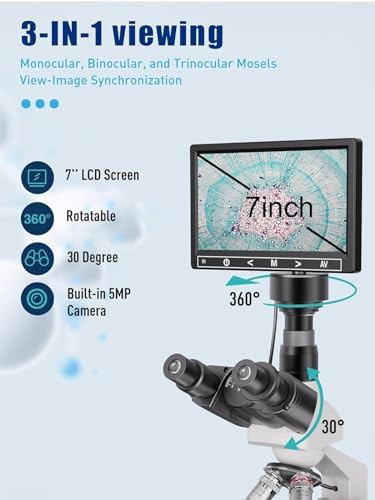
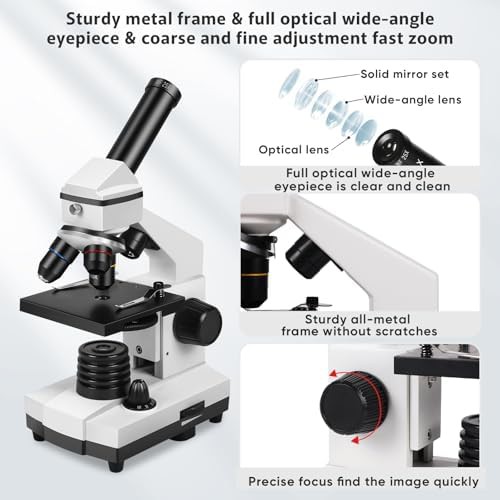
These microscopes are built with sturdy frames and often include both coarse and fine focusing knobs to maintain clarity at higher magnifications. Many models feature a mechanical stage which allows for the precise movement of slides without manual handling, reducing the risk of smudging or shifting the specimen. The selection includes various optical configurations: monocular heads, binocular heads, trinocular polarized setups.
The bottom light is used for transparent specimens like biological slides, while the top light allows you to see the surface details of solid objects. This makes the microscope versatile enough for both lab work and hobbyist inspection of three-dimensional items.
Many dual light models are designed with cordless capability, allowing them to run on batteries for field work or in classrooms with limited outlets. This portability is common in student-oriented and beginner models.
The top light is ideal for opaque subjects that light cannot pass through, such as small electronics, rocks, stamps, or insects. It highlights surface textures and colors that would appear as a dark silhouette under bottom lighting alone.
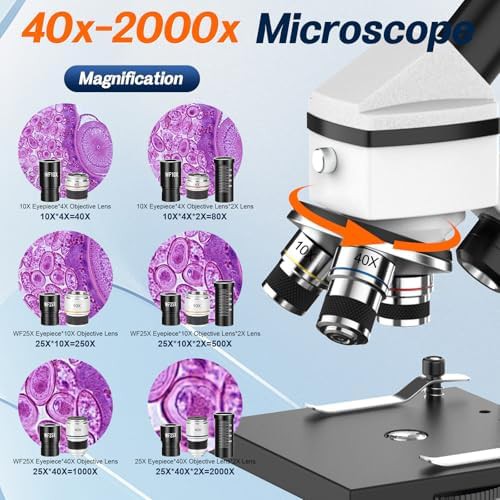
Yes, dual light microscopes are available in various power ranges, from 20x stereo models up to 2500x or 5000x compound models. The lighting system ensures that even at high zoom, the specimen remains sufficiently bright for observation.