 8.9
8.9
cainda
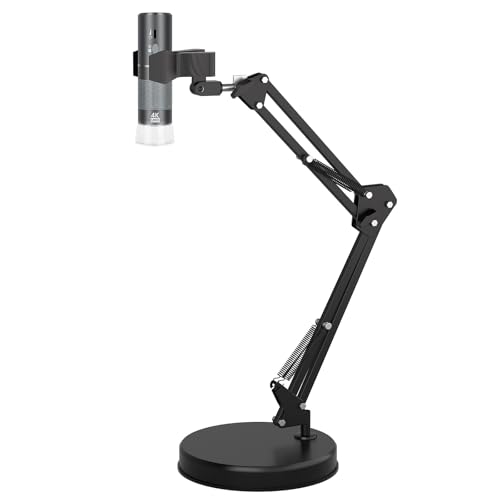
4K WiFi Digital Microscope for iPhone Android Phone and PC
$39.99
With cameras Affordable Coin collection Digital Jewelry Kids
Wireless streaming to smartphones and tablets for portable inspection 10 microscopes · 8 brands
8.9
With cameras Affordable Coin collection Digital Jewelry Kids
 8.4
8.4
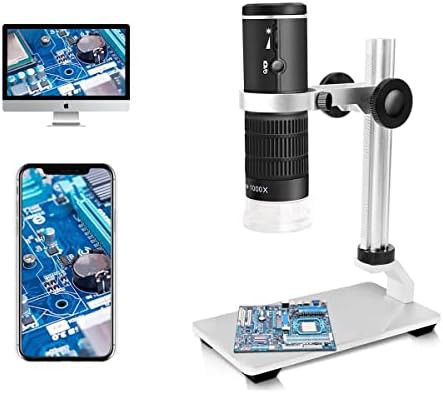
With cameras For students 1000x magnification Digital Affordable USB
 8.4
8.4
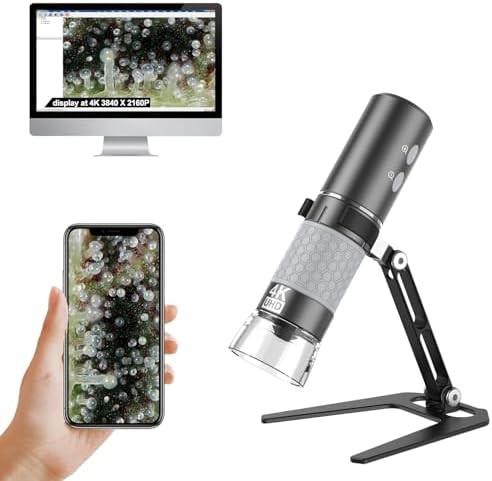
With cameras 1000x magnification Digital Affordable USB
 8.0
8.0
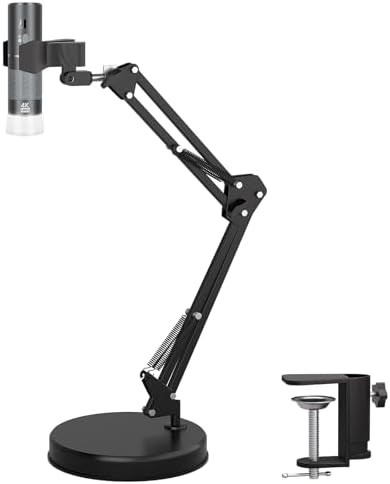
With cameras 1000x magnification Digital Professional Affordable USB
 7.0
7.0
LED illuminated With cameras Digital Affordable USB Coin collection
 6.9
6.9
LED illuminated Trinocular For students 1000x magnification 2000x magnification For kids
LED illuminated With cameras Digital Affordable USB 1600x magnification
 5.9
5.9
Compound For students For adults Binocular Professional With Abbe condensers
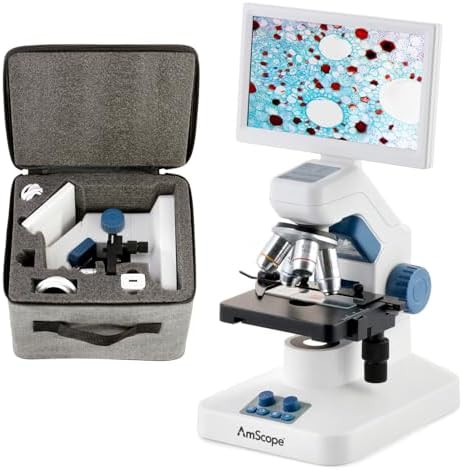
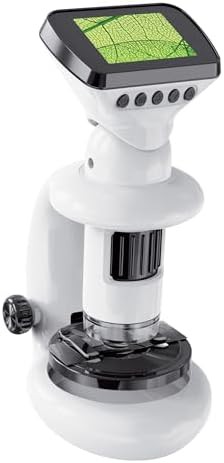
With cameras 1000x magnification Digital Affordable USB For kids
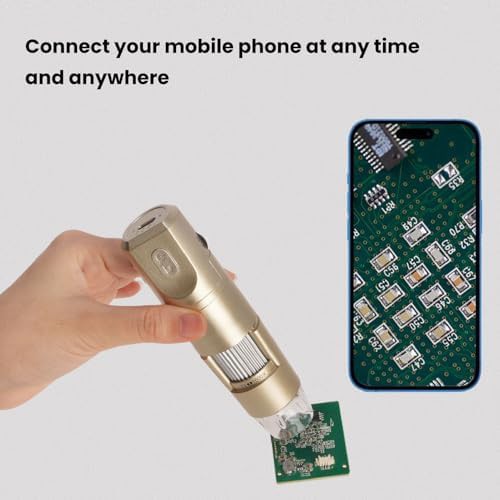
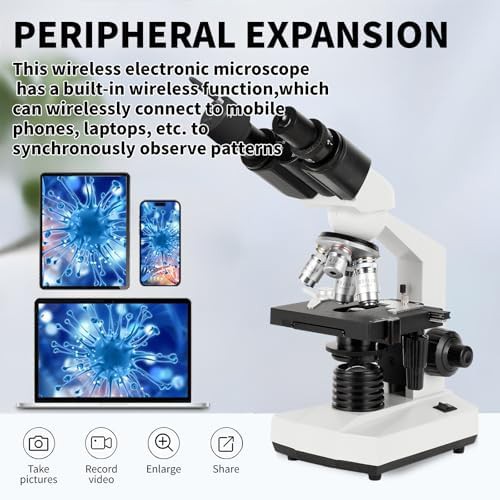
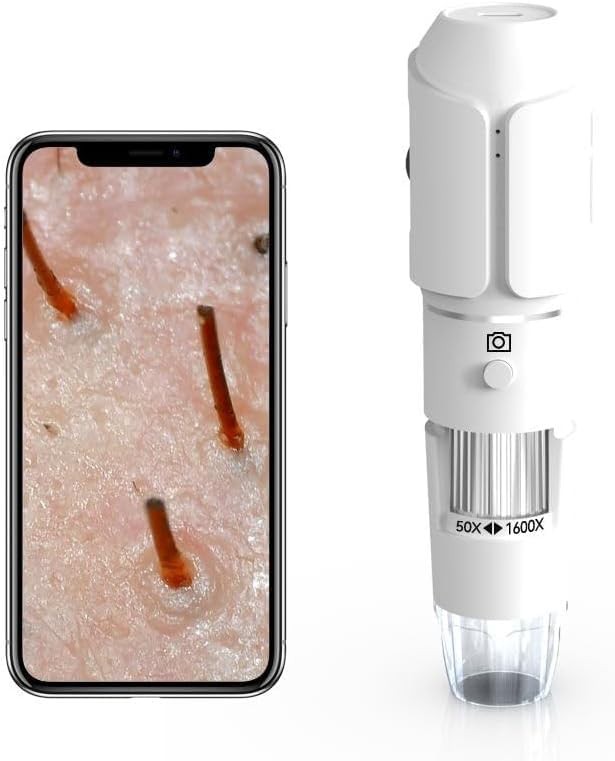
WiFi microscopes remove the physical constraints of cables by broadcasting a high-definition signal directly to mobile devices and computers. This wireless capability is often integrated into handheld dermascopes or portable inspection cameras, allowing users to move the instrument freely around a large object or specimen. The internal wireless module typically supports 1080P or 4K resolutions, ensuring that the stream remains sharp on screens up to twenty-one inches.
Compared to USB-only models, these devices offer greater mobility for field work, teaching, or beauty applications where a wired connection to a laptop would be cumbersome. The integration of a rechargeable battery further enhances this portability, making the unit a self-contained imaging tool. These instruments are designed to work across diverse operating systems including: iOS, Android, Windows, Mac, Linux.
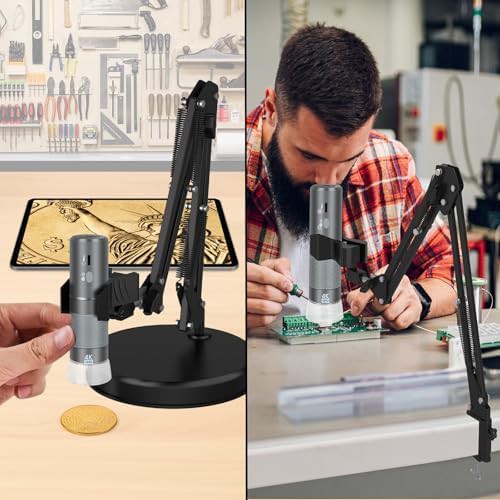
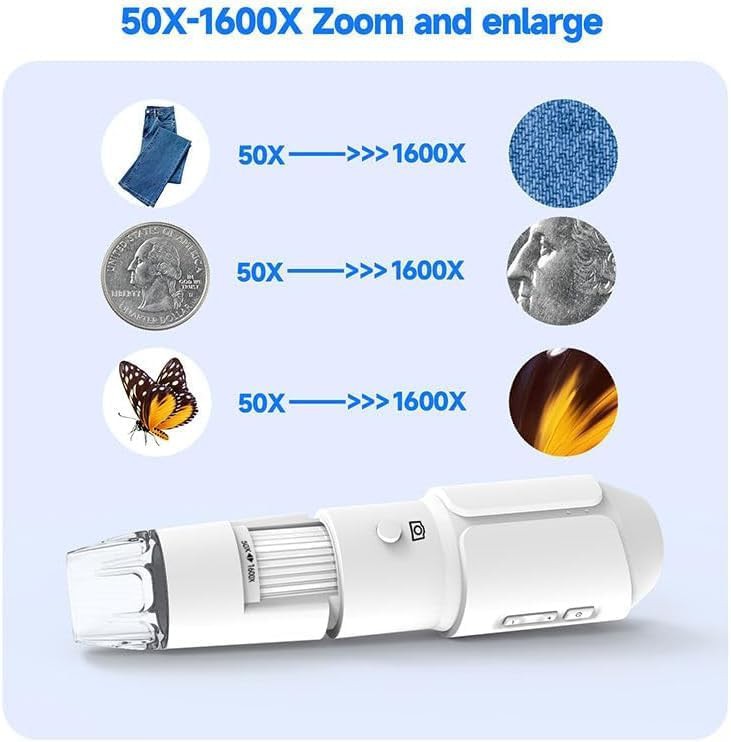
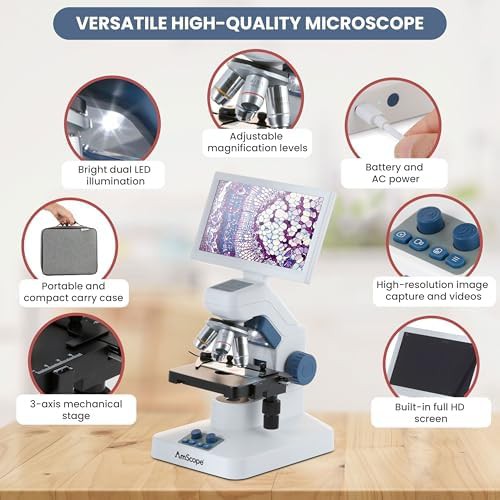
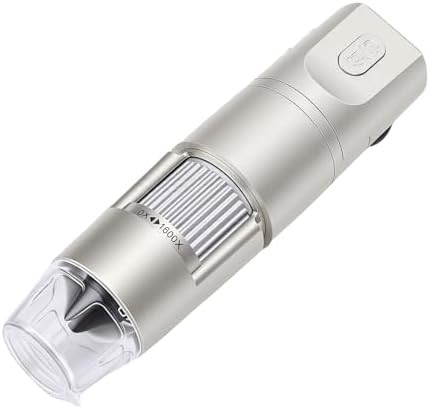
Despite their compact and wireless nature, these microscopes maintain high magnification ranges, frequently spanning from 50x to 1600x. They often feature built-in LED arrays, usually consisting of eight adjustable lights, to provide consistent brightness regardless of the ambient environment. This makes them effective for detailed tasks like inspecting antiques, circuit boards, or biological samples in a classroom setting.
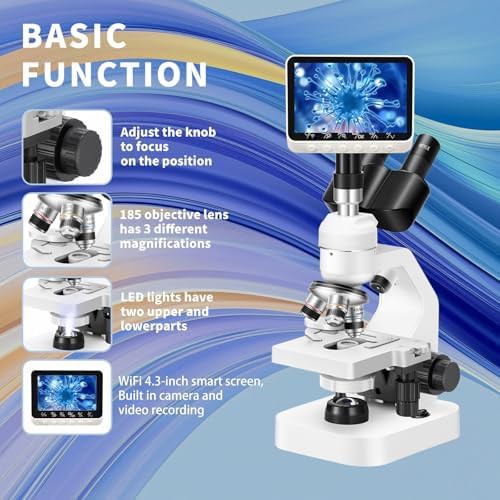
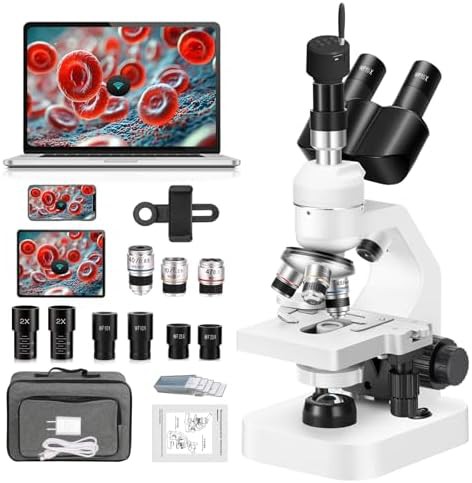
Some advanced versions combine traditional optical hardware with modern connectivity, such as a trinocular frame equipped with a WiFi-enabled electronic eyepiece. This allows for simultaneous viewing through physical lenses and streaming to a tablet, which is useful for collaborative research or group demonstrations. The builds are often lightweight and ergonomic, designed for one-handed operation while the other hand manages the specimen or the connected mobile device.
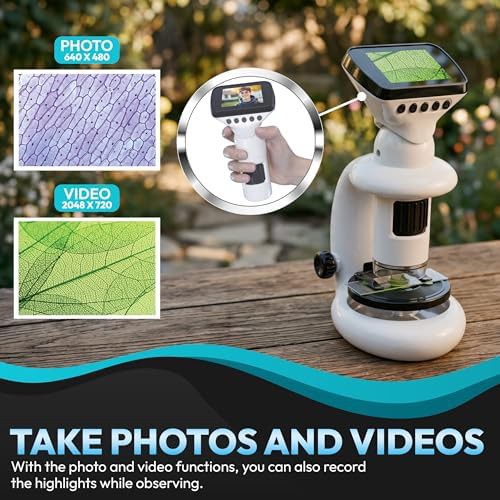
The variety of wireless instruments includes specialized forms for different age groups and technical requirements: handheld portable toys for kids, high-resolution dermascopes for skin analysis, industrial endoscopes, compound microscopes with electronic eyepieces, long focal length cameras.
These devices create their own local WiFi hotspot that your phone or tablet joins through a dedicated app. Once connected, the live camera feed is streamed directly to your device screen for viewing and recording.
Most handheld wireless models offer a zoom range between 50x and 1000x, though some specialized inspection cameras can reach up to 1600x. This range is suitable for everything from textile analysis to viewing cellular structures.
No, most wireless models are equipped with internal rechargeable batteries, often charging via USB Type-C. This allows for several hours of portable use in the field or classroom without being plugged into a wall outlet.
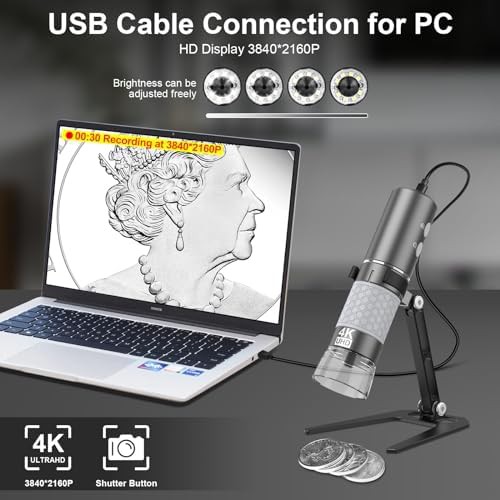
Many WiFi models also feature a USB port that allows them to function as a standard wired digital microscope. This provides a backup connection method for PC, Mac, or ChromeOS devices that may not have wireless capabilities.