Optical Configuration
We distinguish between monocular, binocular, and trinocular heads, as well as specialized stereo and compound designs for different specimen types.
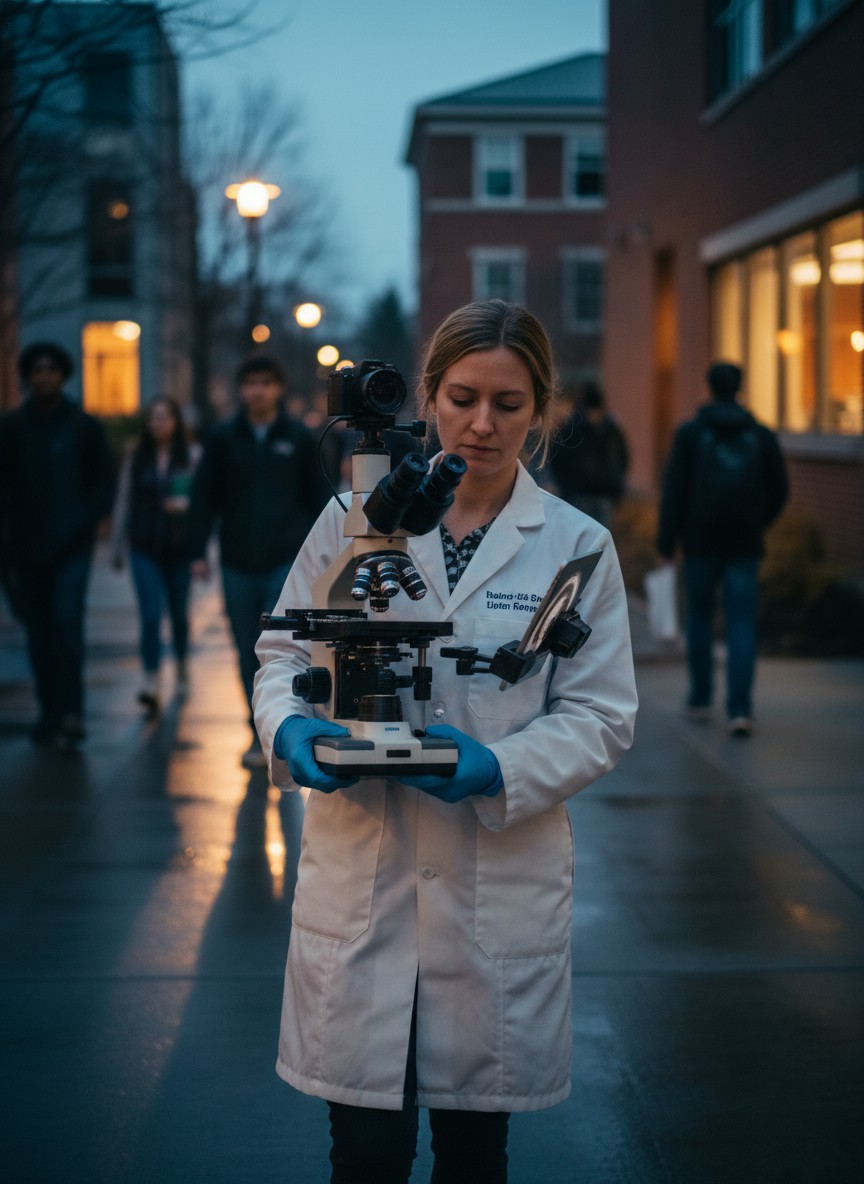
Selecting the right microscope requires balancing magnification needs, optical clarity, and ergonomic features for your specific environment.
Our directory is built by scanning current availability across the market, categorizing instruments based on their optical design, magnification power, and intended application.
We distinguish between monocular, binocular, and trinocular heads, as well as specialized stereo and compound designs for different specimen types.
Our data tracks power levels from 40x up to 5000x, ensuring users can find the specific resolution required for cellular biology or industrial inspection.
We identify models featuring USB connectivity, built-in LCD screens, and dedicated camera ports for modern documentation and group viewing.
Scores come from what shoppers actually said, not from a lab test we ran ourselves.
When a listing has a real average from customer ratings, that number is the biggest piece of the score.
If we saved written notes instead of a star average, those notes pull some weight on their own.
A pile of reviews nudges the score up, a tiny handful drags it down, and listings that keep going out of stock lose a touch; a brand score is just those listing scores added together.
Our catalog ranges from 40x to 5000x. While 1000x is standard for most biological work, 2000x and 2500x models offer deeper insights for advanced students and professionals. For hobbyists inspecting coins or soldering, lower-power stereo or digital models are more effective.
Precision is vital at high power. Look for microscopes with mechanical stages for smooth slide movement and Abbe condensers for better light control. All-metal stands provide the stability needed to prevent vibration during high-magnification viewing.
Many modern microscopes include phone adapters, USB cameras, or experiment kits with prepared slides. These are excellent for students and home researchers who want to document their findings or share images instantly.
Pick a set that matches how you will use it
High-magnification systems designed for viewing transparent specimens on slides
Cool-running, long-lasting light sources for bright specimen viewing
Reliable instruments designed for rigorous daily use in scientific settings
Built-in or included digital cameras for documenting your findings
Professional heads with a dedicated third port for camera attachment
Educational tools perfect for middle school, high school, and college labs
Sophisticated optics for hobbyists, professionals, and home researchers
Standard power levels suitable for basic cellular and educational use
Modern scopes featuring integrated screens and USB connectivity for easy viewing
Two-eyepiece heads that provide comfortable viewing for long lab sessions
High-power optics for advanced student and hobbyist research
Professional-grade magnification for detailed laboratory analysis