 9.3
9.3
AmScope
Trinocular stereo zoom microscope with 90x magnification
$812
Trinocular Professional Stereo
Flexible, heavy-duty stands for positioning the scope over large workpieces 24 microscopes · 8 brands
9.3
Trinocular Professional Stereo
 9.3
9.3
 9.3
9.3
 9.2
9.2
 9.2
9.2
 9.2
9.2
With cameras Trinocular Stereo
 9.1
9.1
 9.0
9.0
 9.0
9.0
 9.0
9.0
 8.9
8.9
 8.9
8.9
 8.7
8.7
 8.6
8.6
 8.6
8.6
LED illuminated Trinocular Professional Stereo
 8.6
8.6
 8.4
8.4
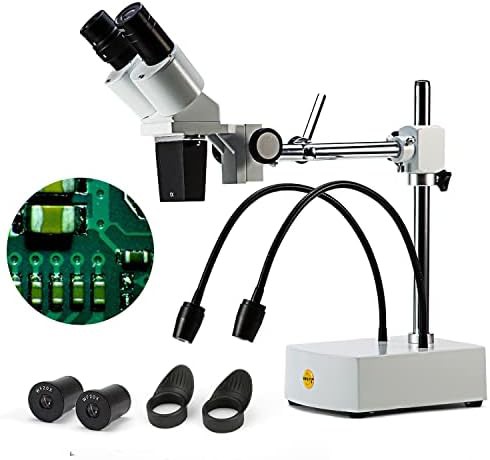
LED illuminated Laboratory For adults Binocular Stereo
 8.3
8.3
LED illuminated Binocular Professional Stereo Coin collection
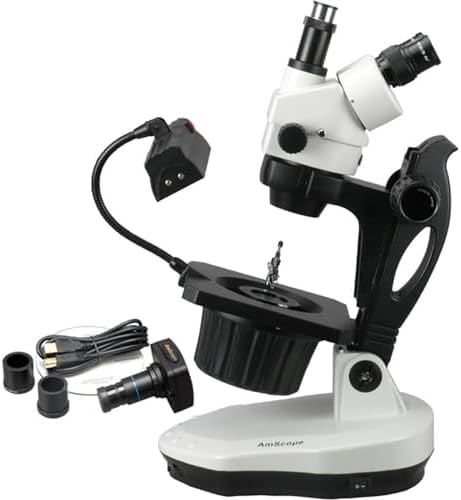
With cameras Trinocular Digital Professional Stereo USB
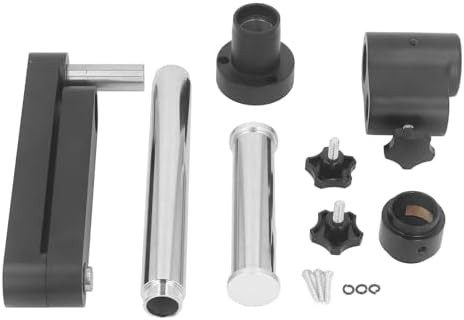
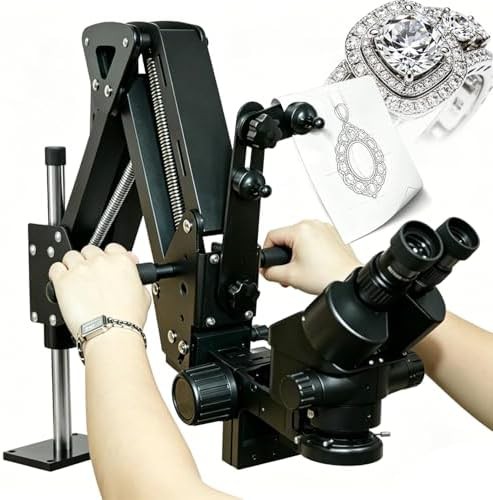
Trinocular Digital Professional Stereo With LCD screens Jewelry
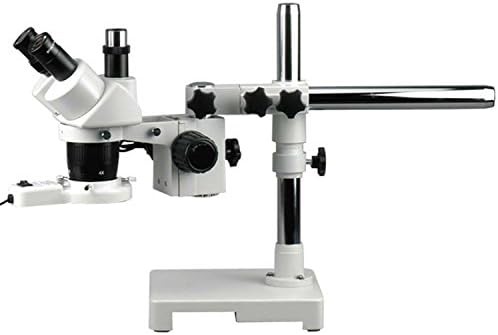
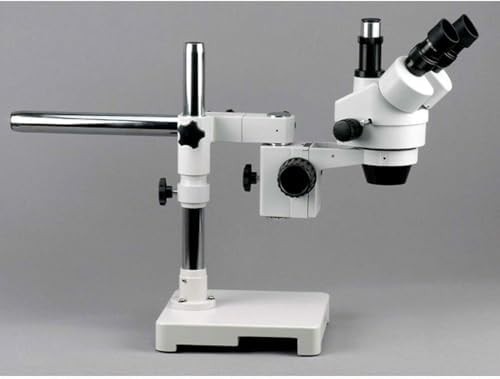
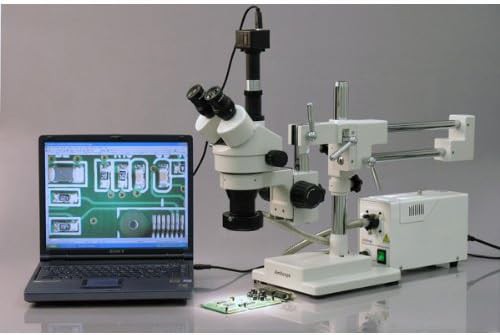
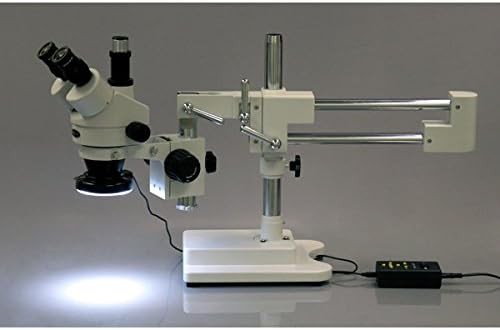
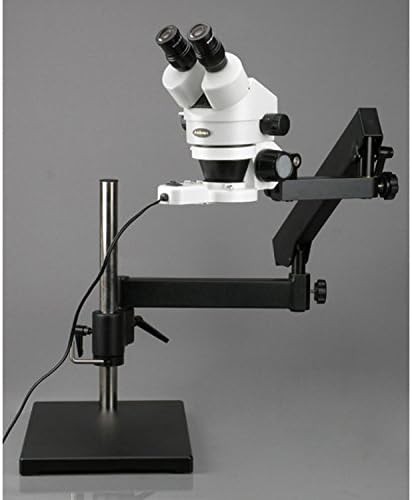
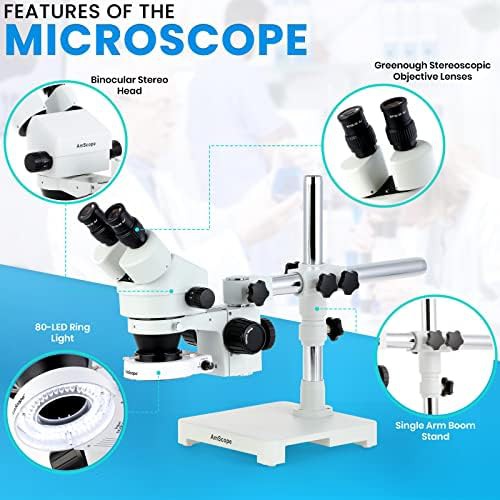
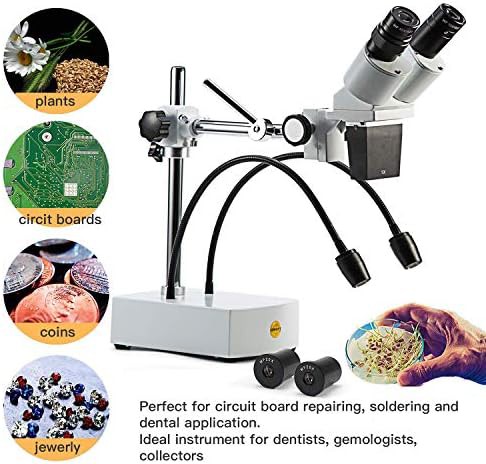
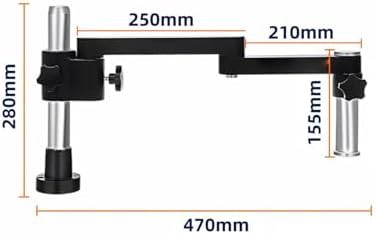
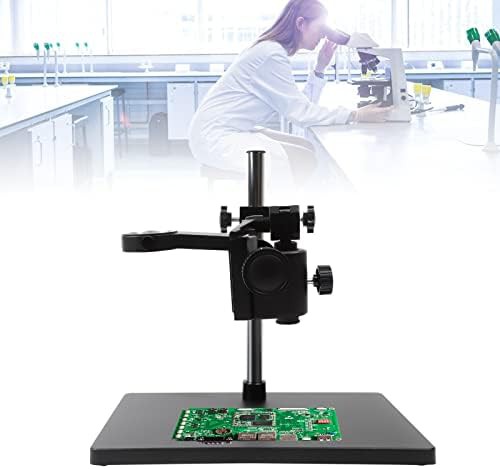
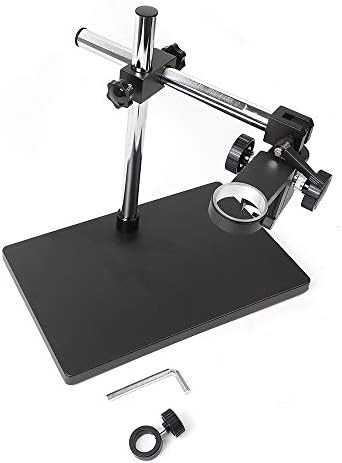
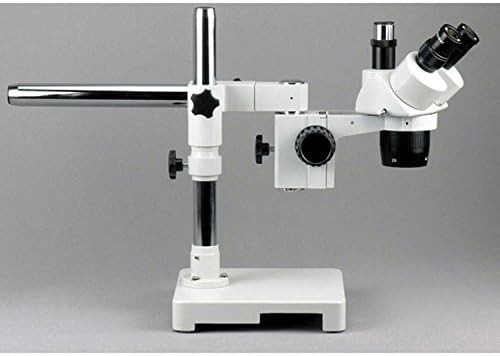
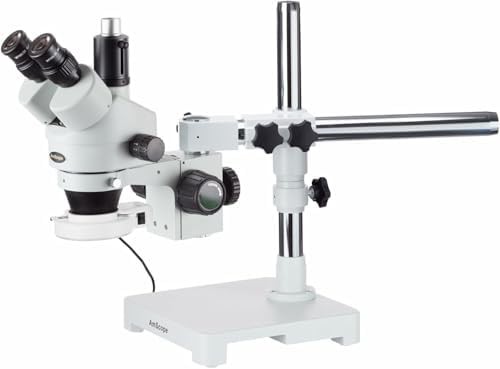
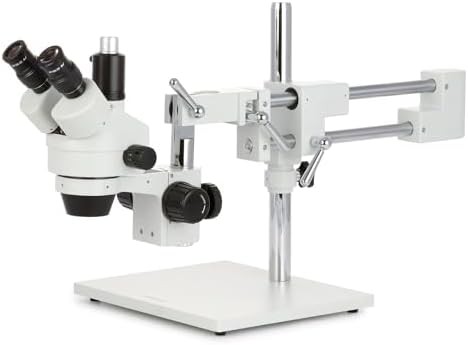
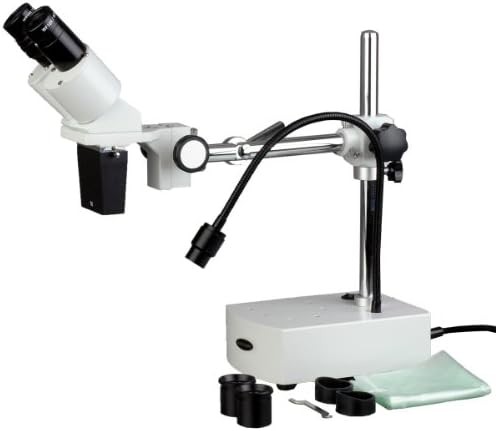
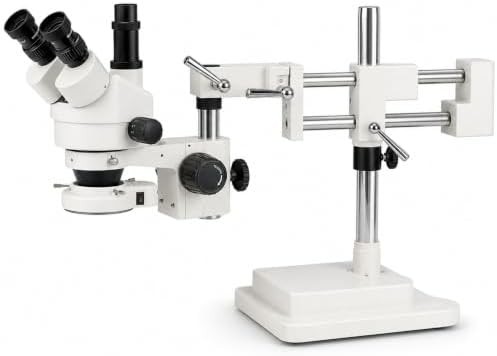
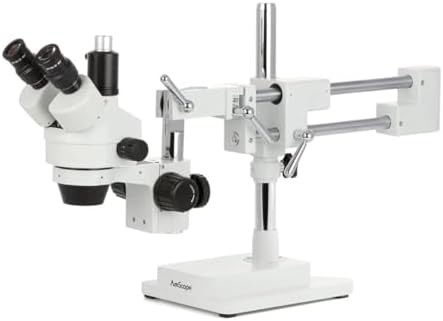
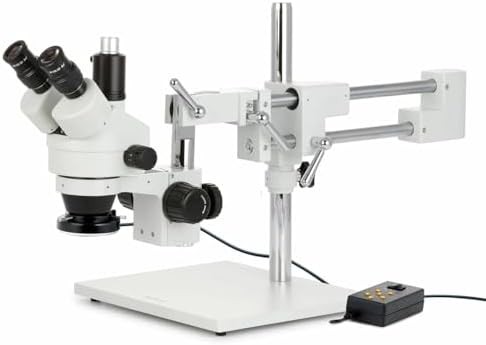
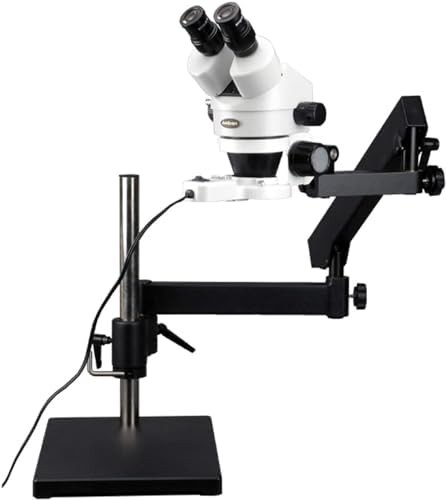
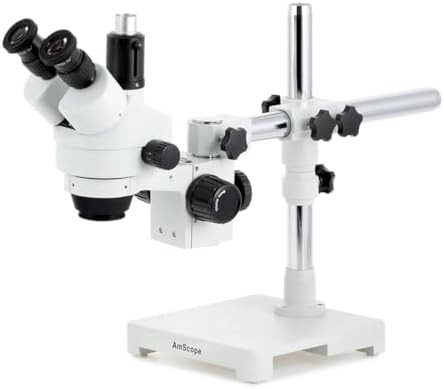
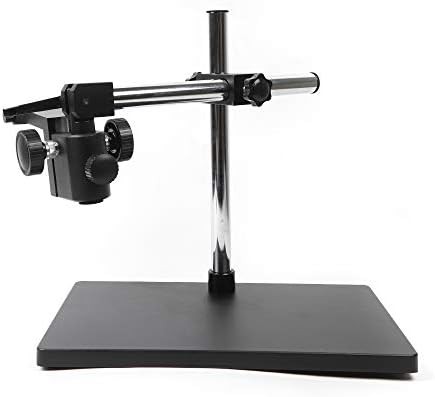
Boom arm microscopes are defined by their heavy-duty, adjustable support structures that allow the optical head to hang over a large workspace. Unlike standard desktop stands, these arms provide the horizontal and vertical clearance necessary to inspect oversized electronics, engine parts, or large geological samples. The counterbalanced or weighted base ensures that the microscope remains steady even when the arm is fully extended.
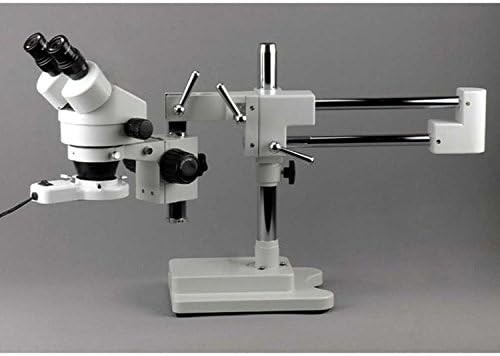
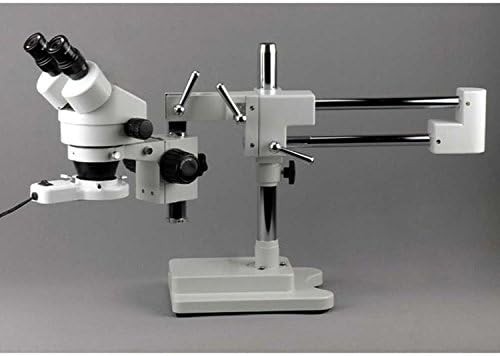
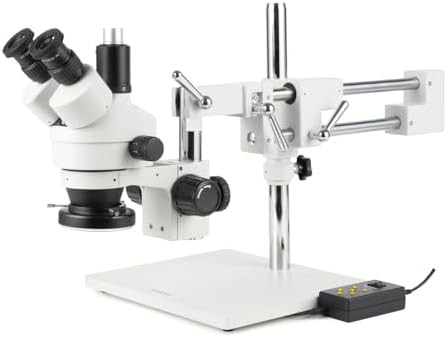
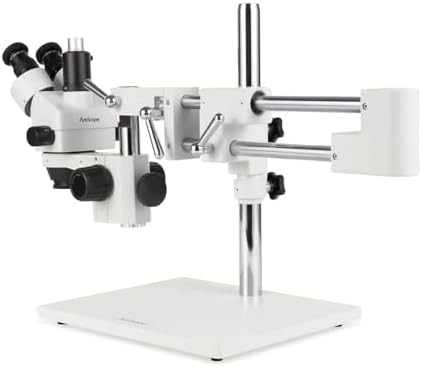
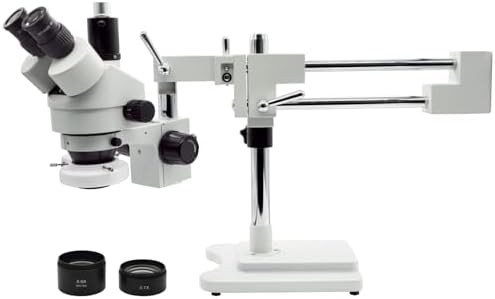
The physical design of the stand impacts the fluidity of movement and overall stability during use. Single-arm models offer a simpler profile for basic positioning, while double-arm boom stands provide smoother sliding action and increased rigidity. This stability is critical when working at higher magnifications where even minor vibrations can disrupt the visual field.
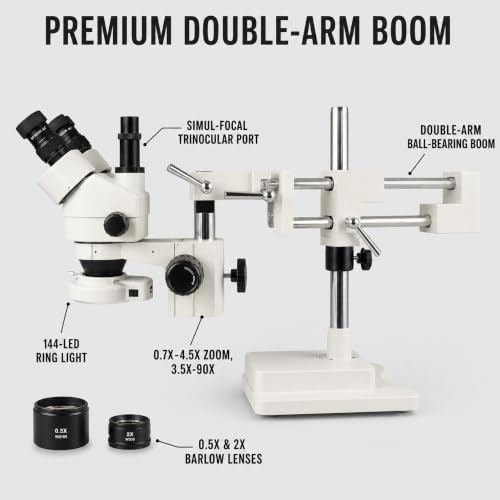
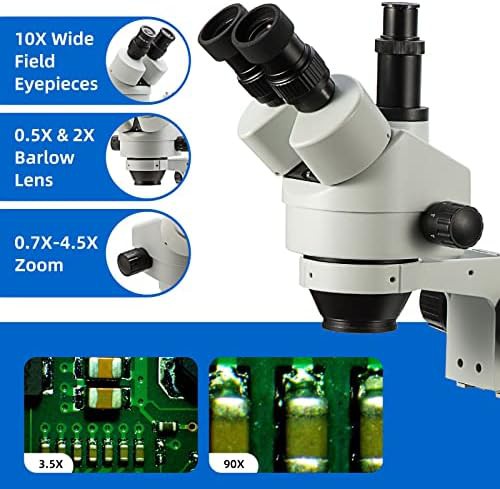
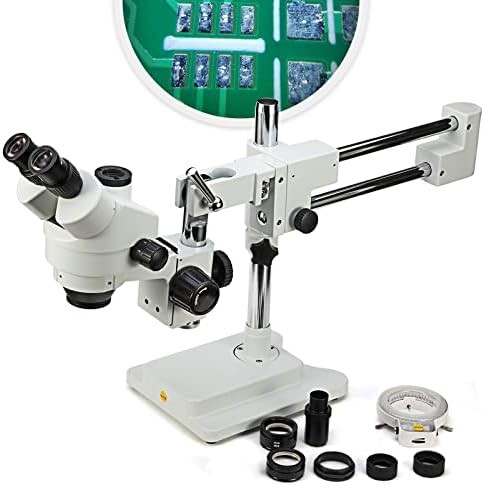
These systems often utilize high-performance stereo zoom heads that allow for continuous magnification adjustments without changing eyepieces. By using Barlow lenses, the magnification range can be expanded or reduced to increase the working distance between the lens and the object. This flexibility is essential for tasks that require significant room for tools: soldering irons, tweezers, mechanical probes.
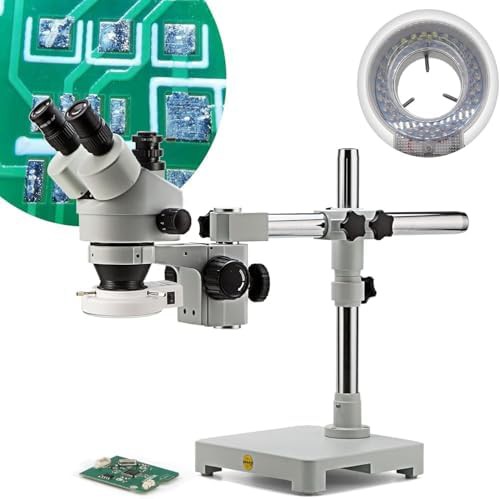
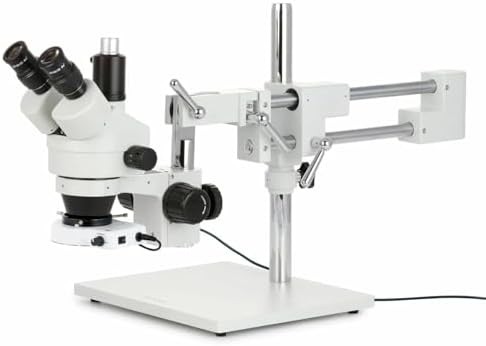
The construction of these units is focused on industrial durability, utilizing solid metal pillars and cross-beams to support the weight of the optics. Most components are finished with protective coatings to resist wear in shop environments. Common configurations include: single-arm stands, double-arm stands, boom stands with ring lights.
A boom arm provides significant horizontal reach and height, allowing the microscope to be positioned over objects that are too large to fit on a traditional stage. It also clears the bench surface, providing more room for tools and movement.
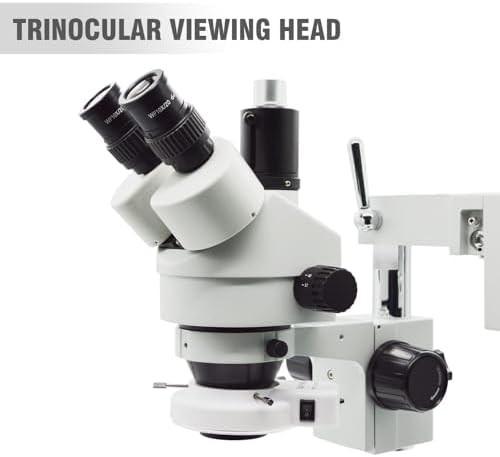
A simul-focal head allows the user to see through both eyepieces and the camera port at the same time. On older trinocular designs, the light path had to be switched between the eyepieces and the camera, making it harder to work while recording.
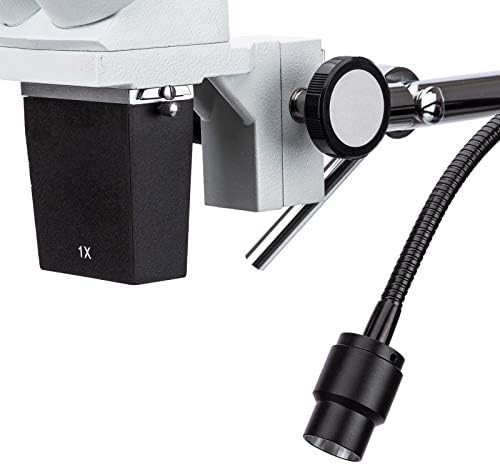
A Barlow lens can either increase magnification or increase the working distance. In boom arm setups, a 0.5x Barlow lens is often used to double the working distance, providing more vertical space for soldering or assembly work.
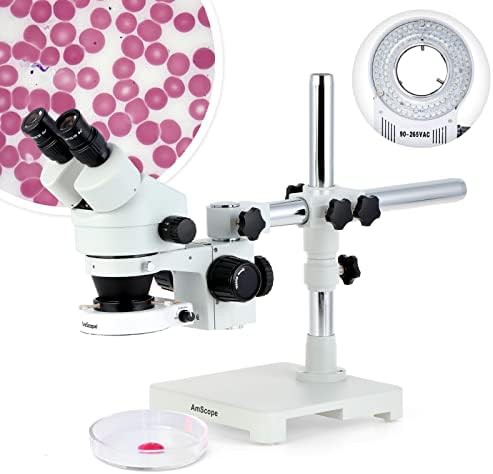
LED ring lights are the most common choice because they attach directly to the objective lens and move with the microscope head. This ensures the light is always focused on the specific area being viewed, regardless of how the boom arm is positioned.