 9.4
9.4
Swift
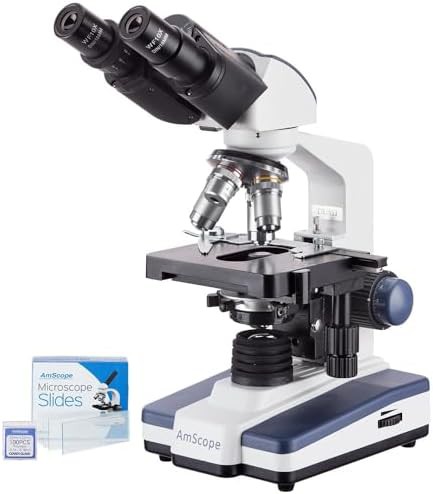
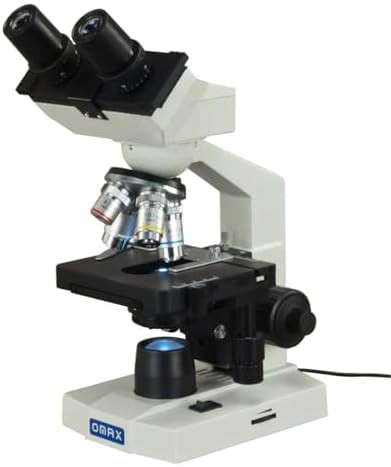
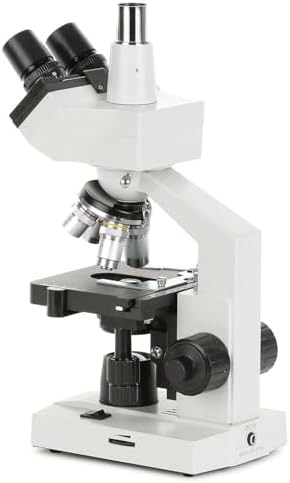
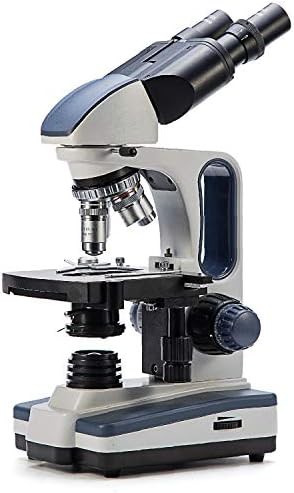
Binocular compound lab microscope with Abbe condenser
$310
Compound Laboratory For students Binocular With mechanical stages
Professional-grade magnification for detailed laboratory analysis 65 microscopes · 12 brands
9.4
Compound Laboratory For students Binocular With mechanical stages
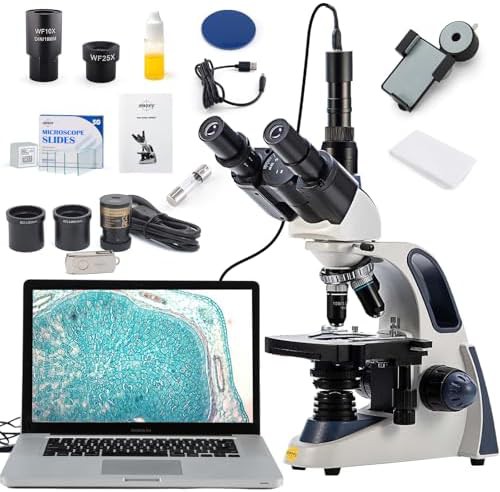 9.4
9.4
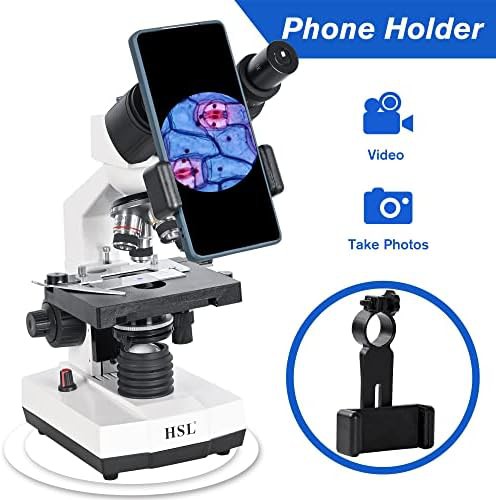
Compound With cameras Trinocular 1000x magnification With mechanical stages
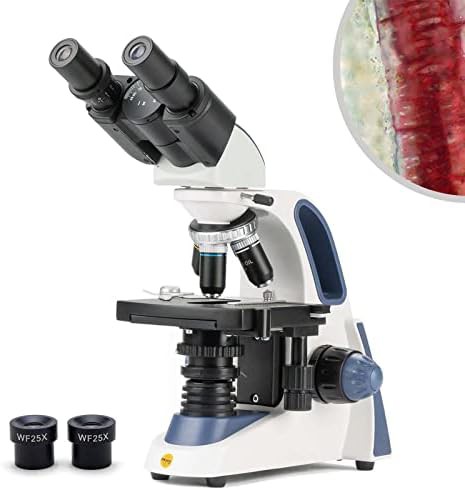 9.3
9.3
Compound For students Binocular With mechanical stages
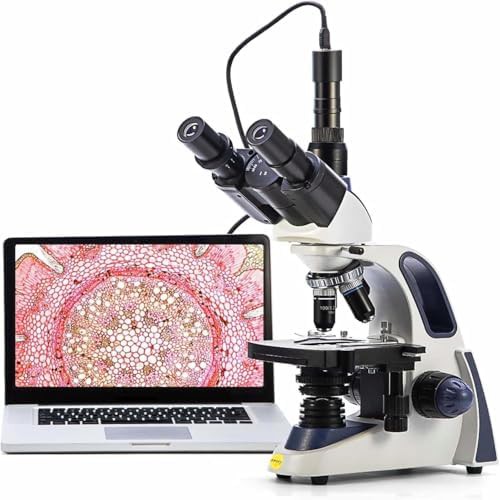 9.3
9.3
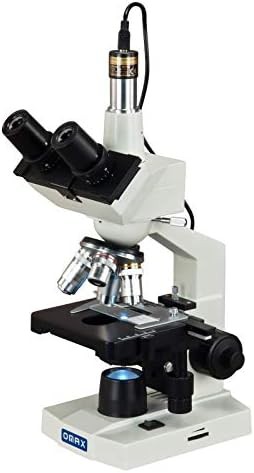
Compound Laboratory With cameras Trinocular USB
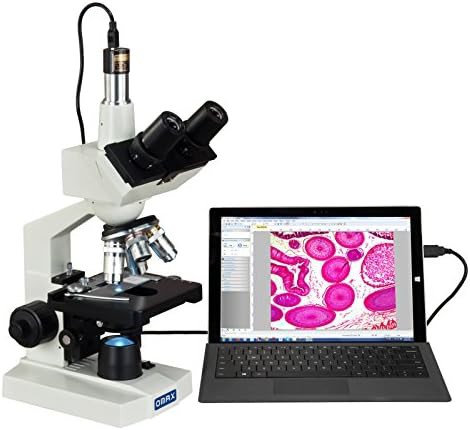 9.2
9.2
Compound LED illuminated Laboratory Trinocular 1000x magnification Digital
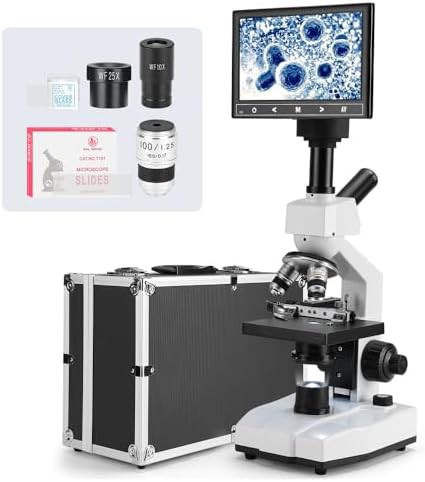 9.2
9.2
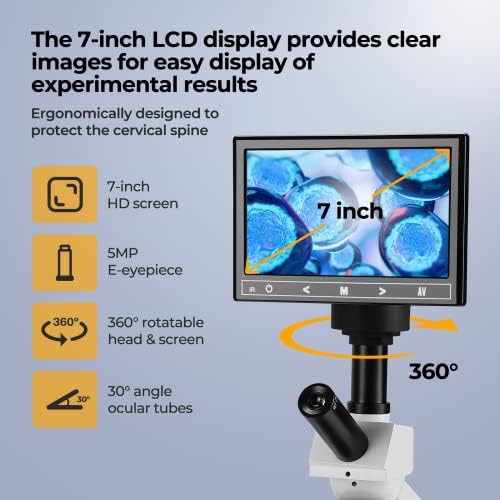
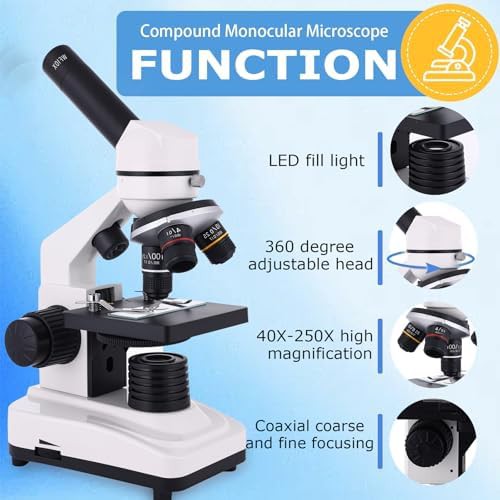
Compound Laboratory With mechanical stages Monocular With LCD screens
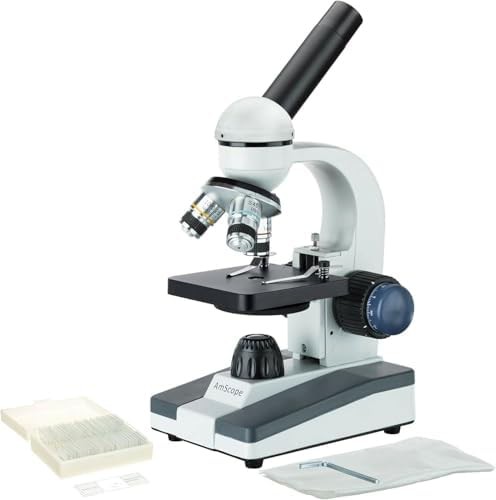 9.1
9.1
Compound LED illuminated Laboratory For students 1000x magnification
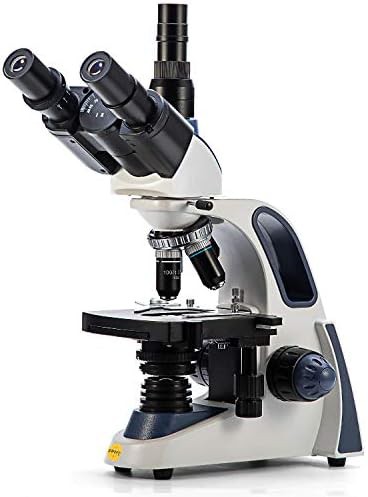 9.1
9.1
Compound Laboratory With cameras Trinocular For students
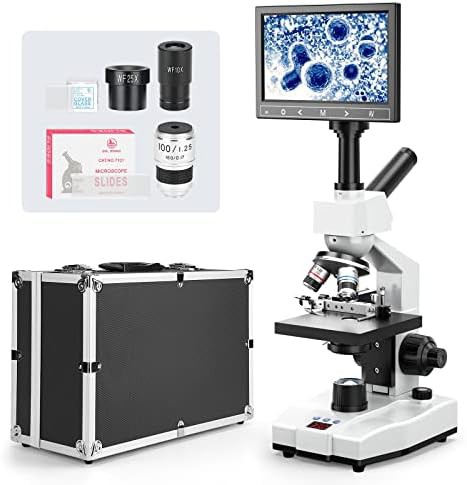 9.1
9.1
Compound Laboratory With cameras With mechanical stages Monocular
 9.1
9.1
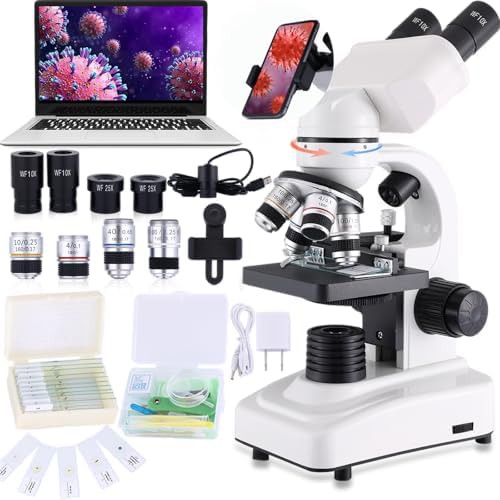
Compound For adults Binocular With mechanical stages Dual light
 9.1
9.1
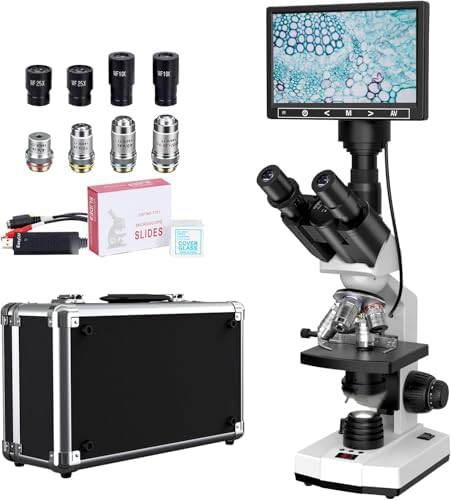
Compound Laboratory With cameras Trinocular For adults
 9.0
9.0
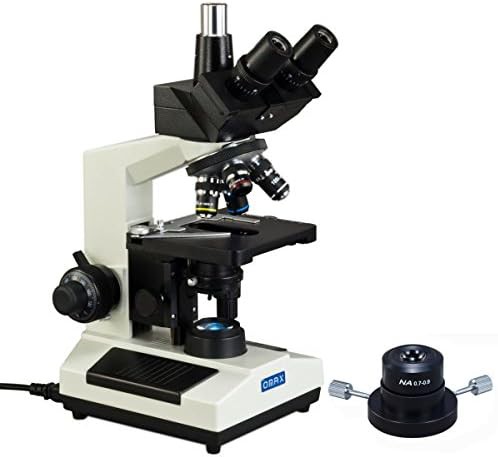
LED illuminated Trinocular 1000x magnification
 9.0
9.0
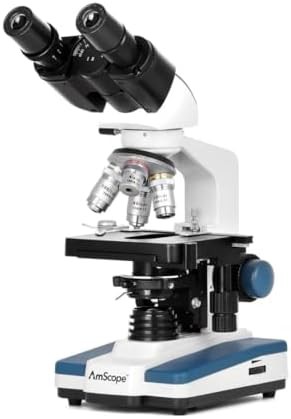
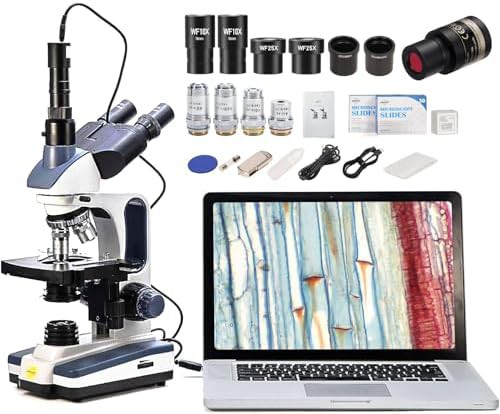
Compound LED illuminated Laboratory For students Binocular
 9.0
9.0
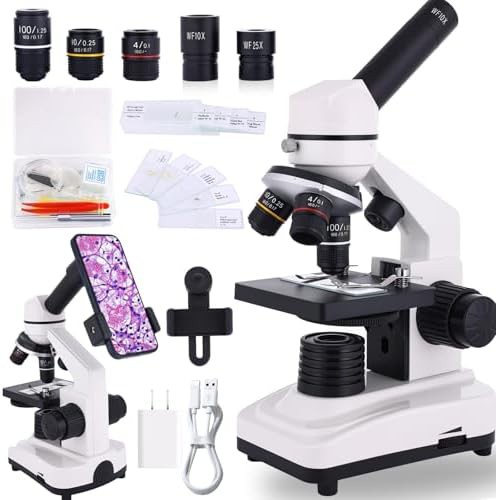
Compound Laboratory With cameras Trinocular For students
 9.0
9.0
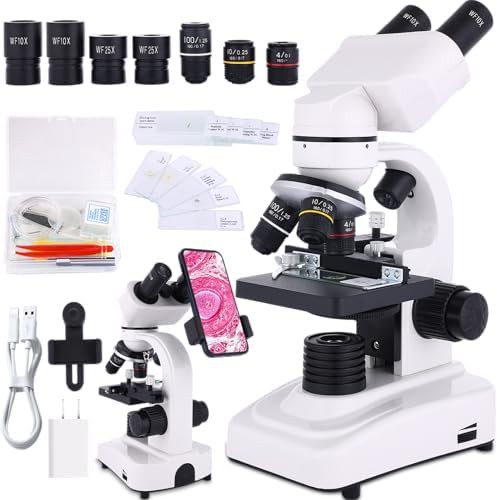
Compound LED illuminated Laboratory For students For adults
 9.0
9.0
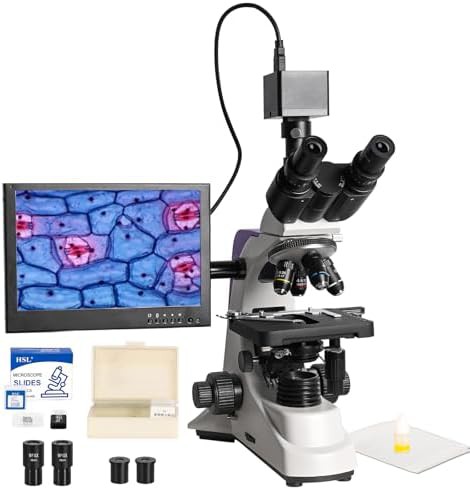
Laboratory For students For adults Binocular With mechanical stages
 9.0
9.0
Compound LED illuminated Laboratory With cameras Trinocular For students
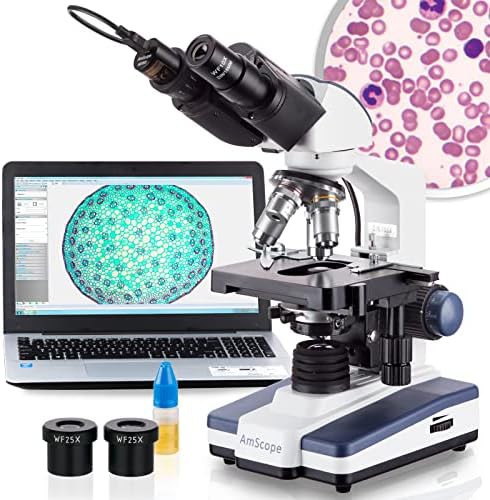 8.9
8.9
Compound LED illuminated Laboratory For students Binocular
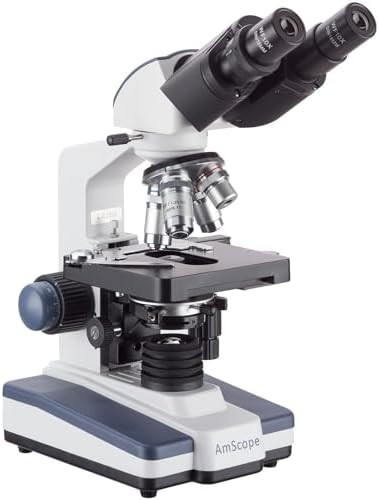 8.9
8.9
Compound LED illuminated Laboratory For students Binocular
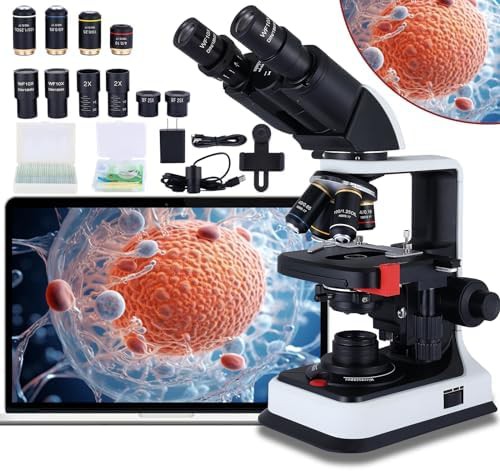 8.8
8.8
Compound LED illuminated Laboratory For students For adults 1000x magnification
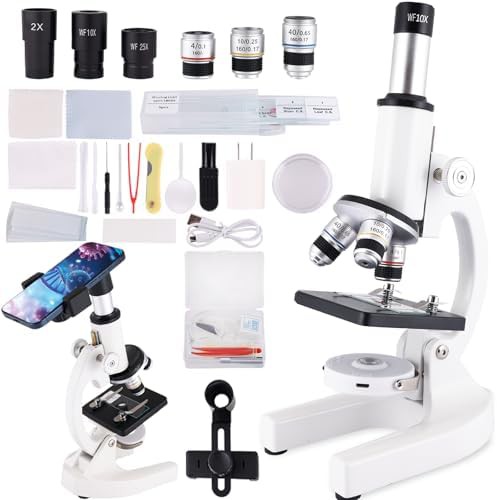 8.8
8.8
Compound LED illuminated Laboratory For students For adults
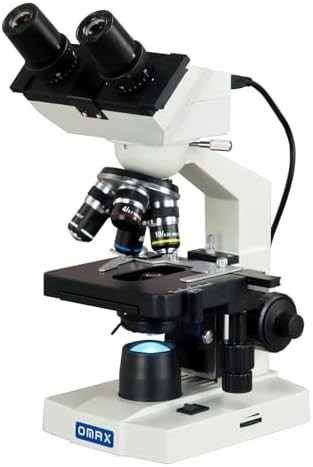 8.6
8.6
Compound LED illuminated Laboratory For students Digital 2000x magnification
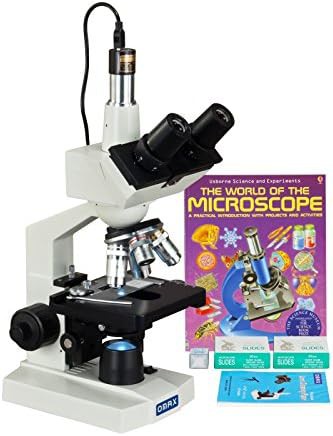 8.5
8.5
LED illuminated Laboratory Trinocular 1000x magnification Digital
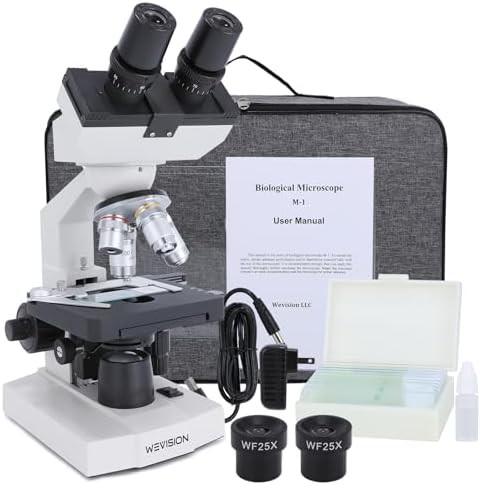 8.5
8.5
Compound LED illuminated Laboratory Binocular Professional
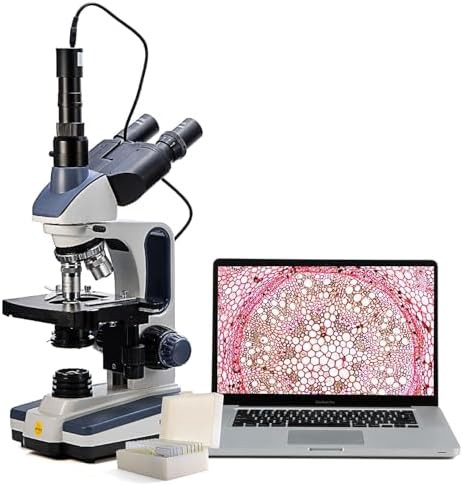 8.4
8.4
Compound With cameras Trinocular 1000x magnification With mechanical stages
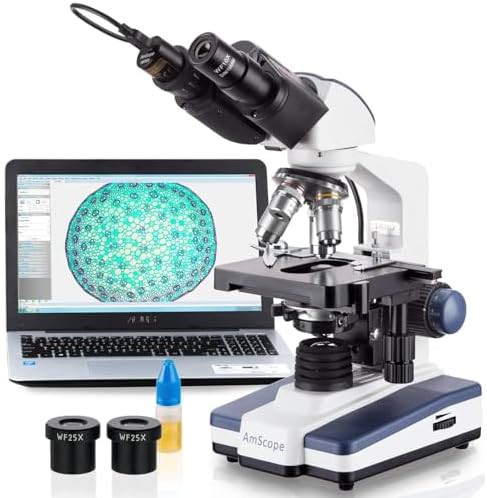 8.3
8.3
Compound LED illuminated Laboratory With cameras For students Binocular
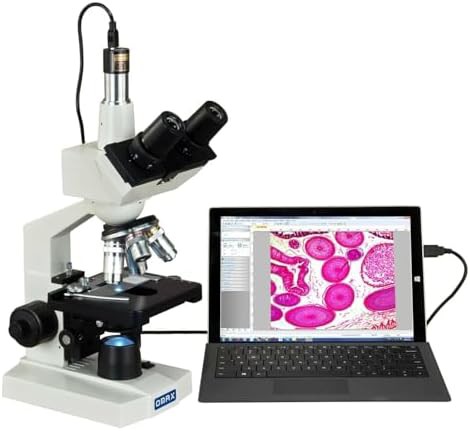 8.3
8.3
Compound LED illuminated Laboratory With cameras Trinocular Digital
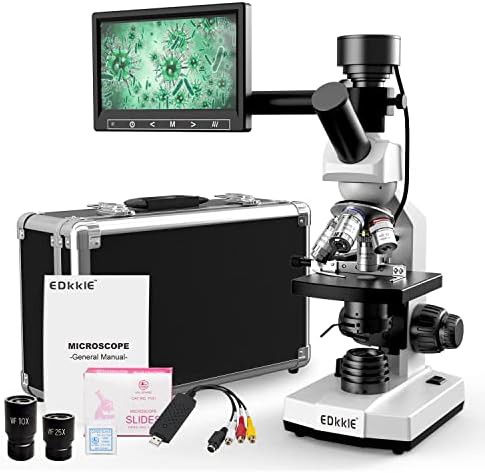 8.3
8.3
Compound With cameras For adults Monocular With LCD screens
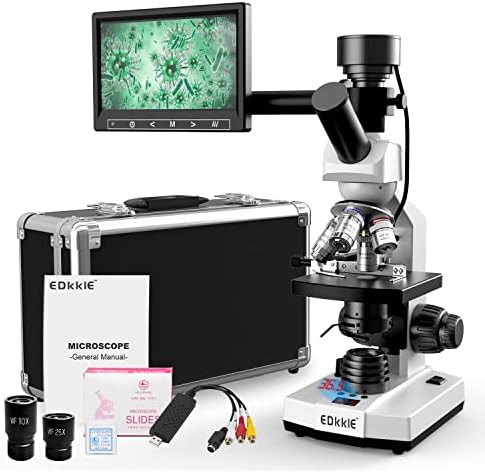 8.3
8.3
Compound Laboratory With cameras For students For adults
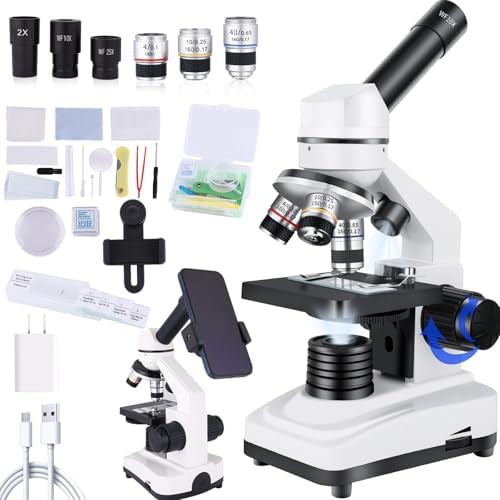 8.3
8.3
Compound LED illuminated Laboratory For students For adults
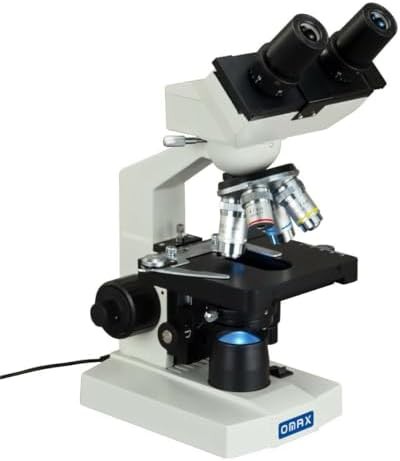 8.2
8.2
Compound LED illuminated Laboratory 1000x magnification Binocular
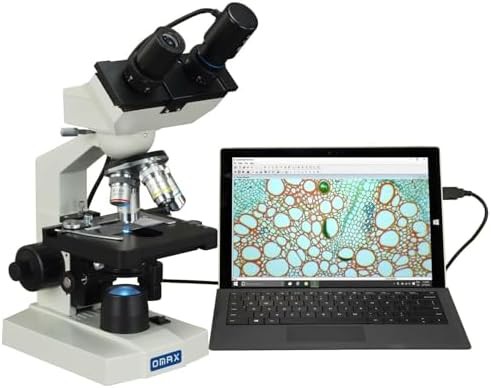 8.2
8.2
Compound LED illuminated Laboratory 1000x magnification Binocular
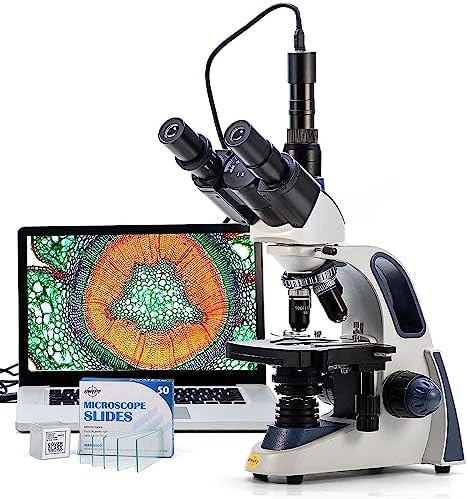 8.2
8.2
Compound With cameras Trinocular 1000x magnification With mechanical stages
 8.2
8.2
Laboratory For adults Binocular Dual light
 8.1
8.1
Compound LED illuminated Laboratory With cameras Trinocular Digital
 8.1
8.1
Compound Laboratory For students For adults 1000x magnification Binocular
 8.1
8.1
Compound Laboratory For students For adults 1000x magnification
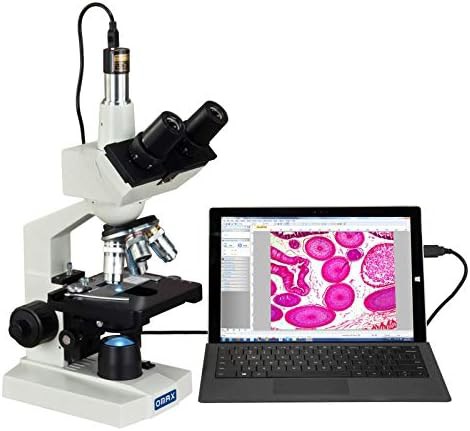 8.0
8.0
Compound LED illuminated Laboratory With cameras Trinocular Digital
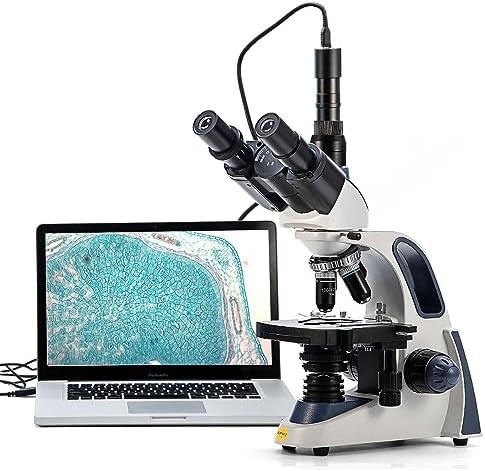 8.0
8.0
Compound Laboratory With cameras Trinocular 1000x magnification
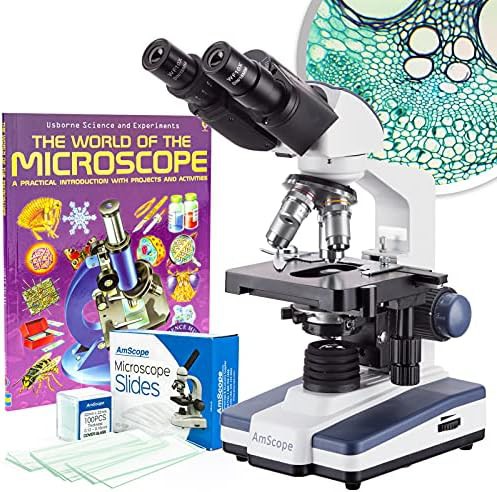 7.9
7.9
Black Compound LED illuminated Laboratory 1000x magnification Binocular
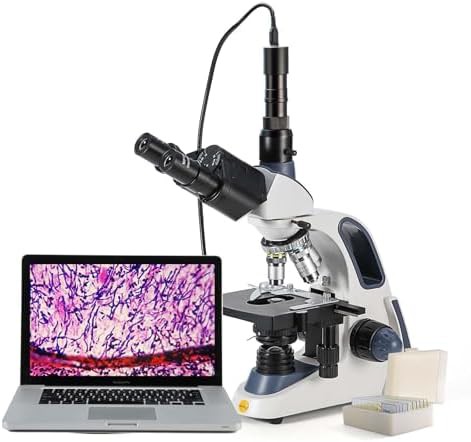 7.9
7.9
Compound LED illuminated Laboratory With cameras Trinocular For students
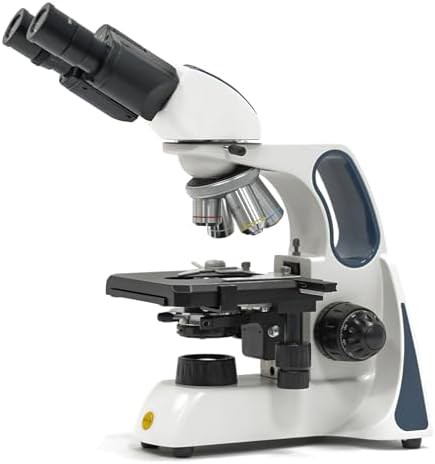 7.9
7.9
Compound Laboratory For students Binocular With mechanical stages
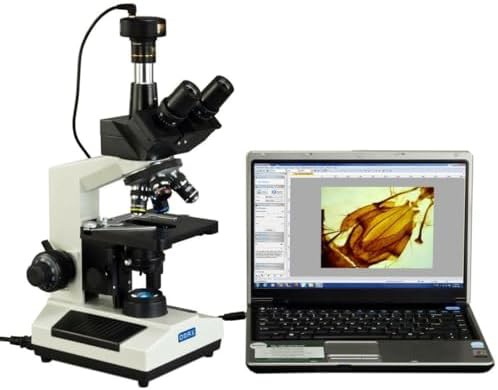 7.8
7.8
Compound LED illuminated Laboratory Trinocular Digital
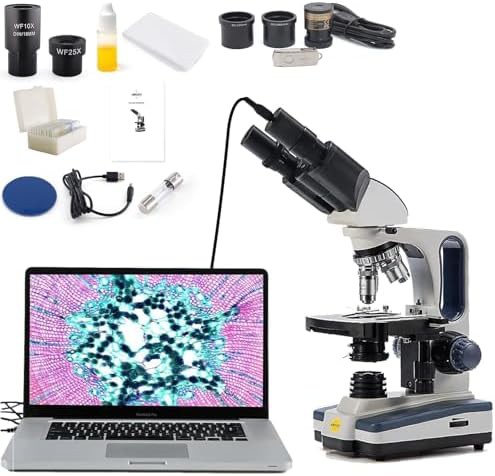 7.8
7.8
Compound With cameras For students Binocular Digital
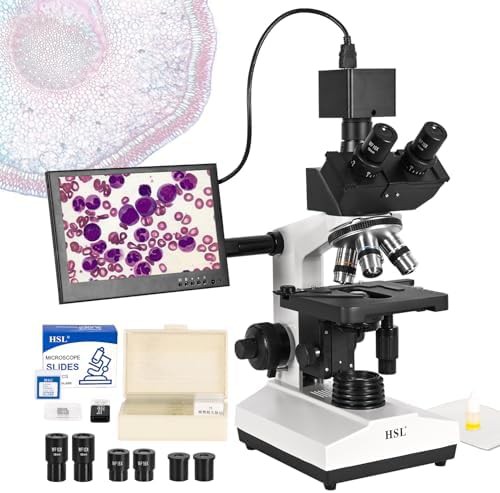 7.8
7.8
Compound LED illuminated Laboratory With cameras Trinocular For students
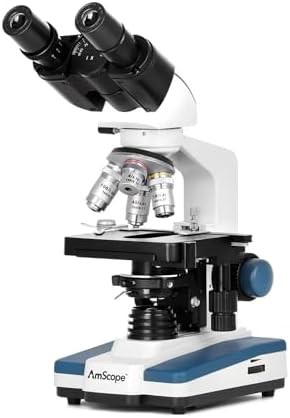 7.7
7.7
Compound LED illuminated Laboratory For students Binocular
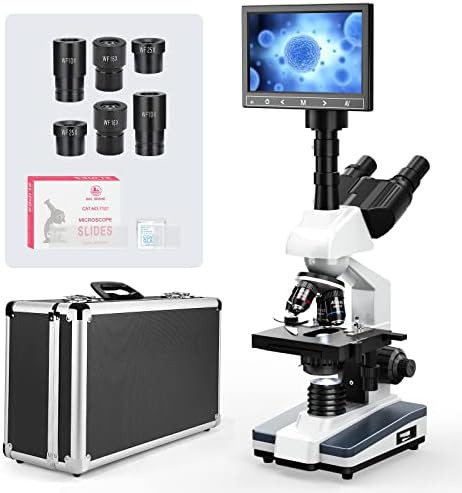 7.7
7.7
Compound Laboratory Trinocular With mechanical stages With LCD screens
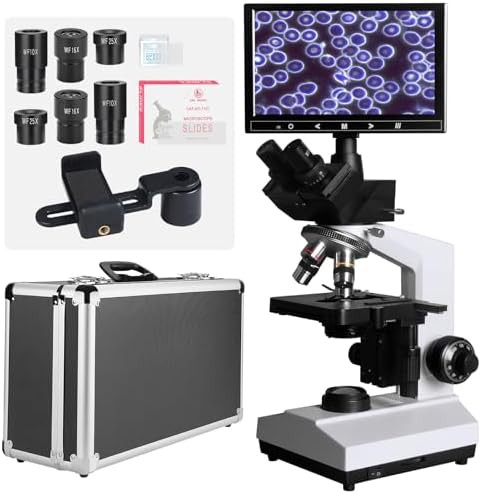 7.7
7.7
Compound LED illuminated Laboratory Trinocular With mechanical stages
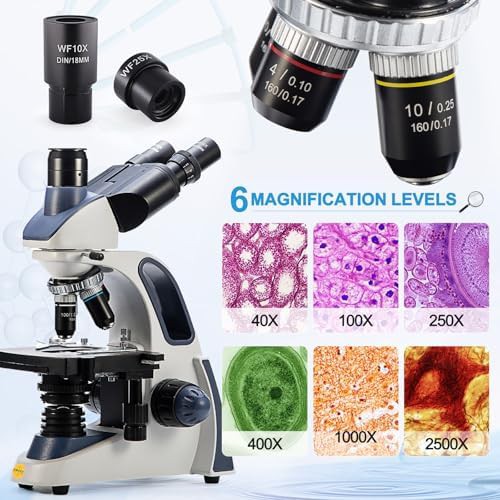
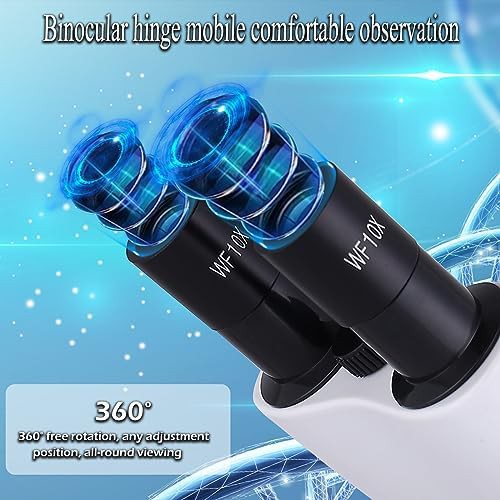
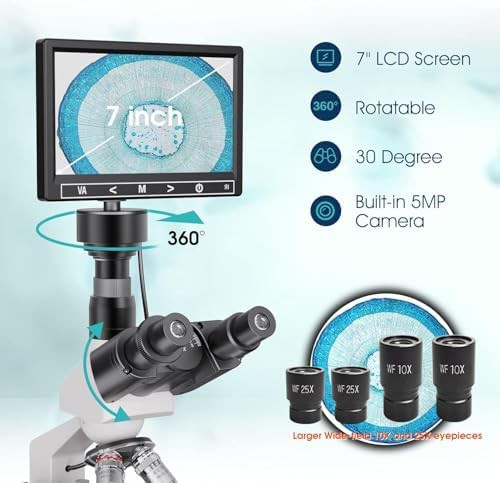
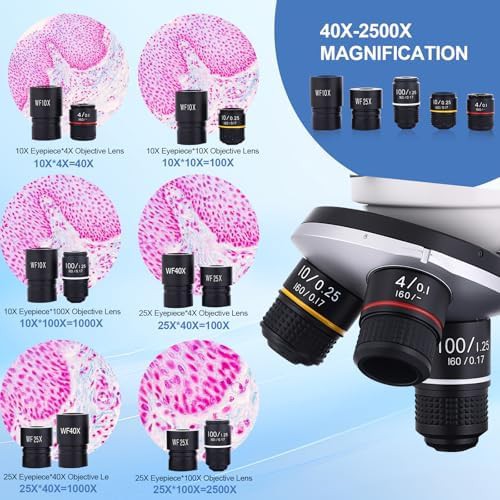
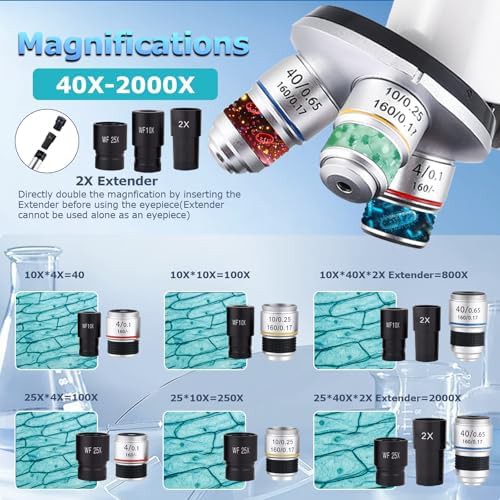
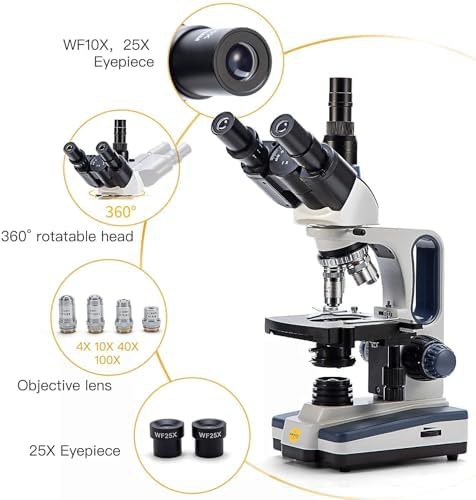
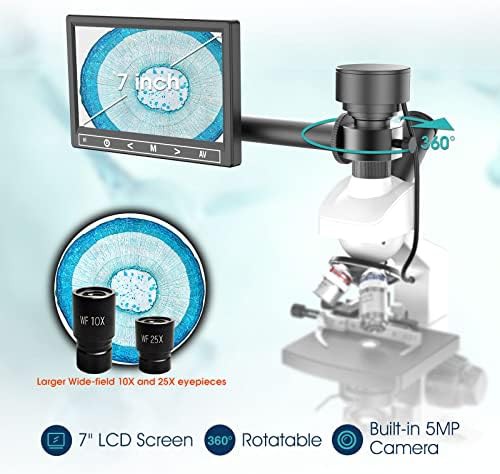
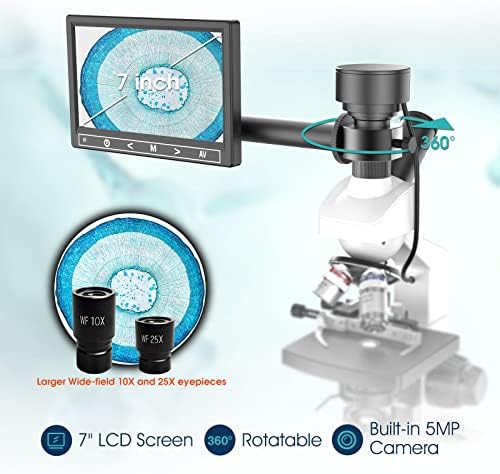
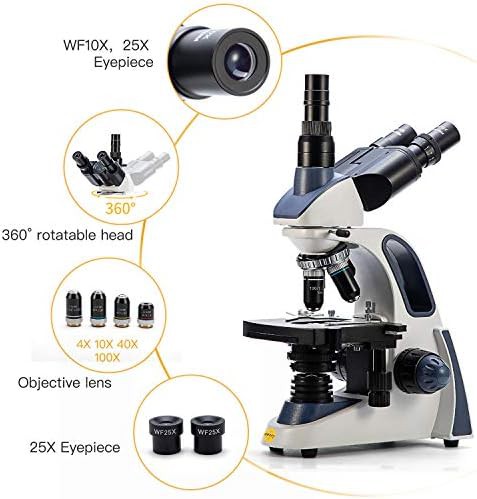
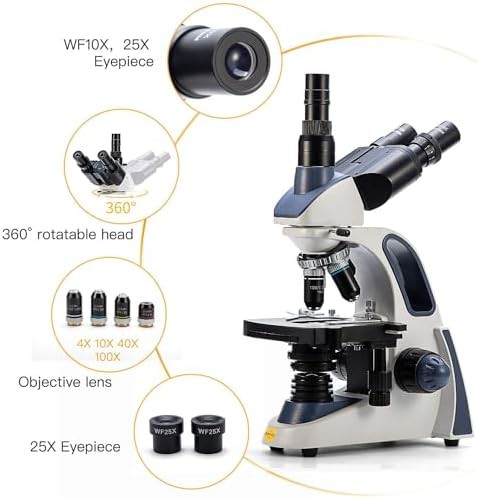
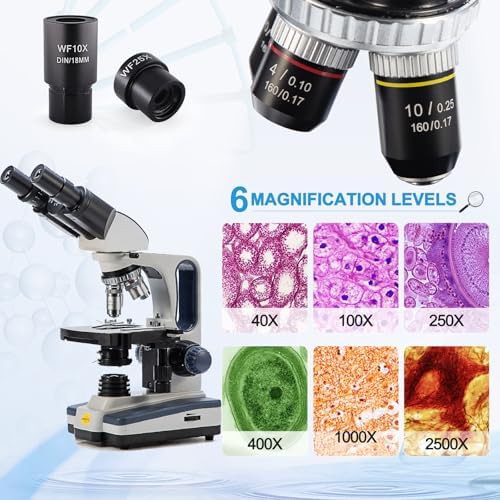
Reaching 2500x magnification allows for the observation of minute cellular structures and bacteria that are invisible at lower powers. These instruments typically utilize a combination of wide-field 10x and 25x eyepieces to achieve these extreme zoom levels without sacrificing clarity.
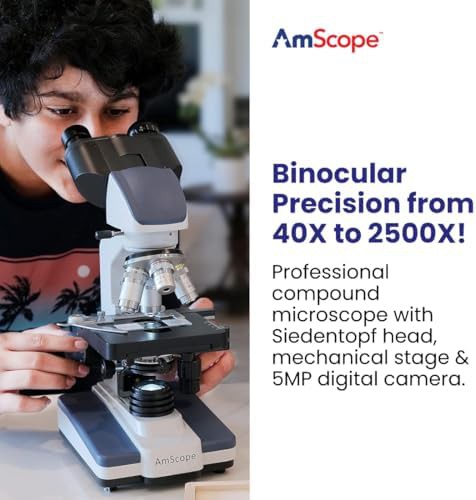
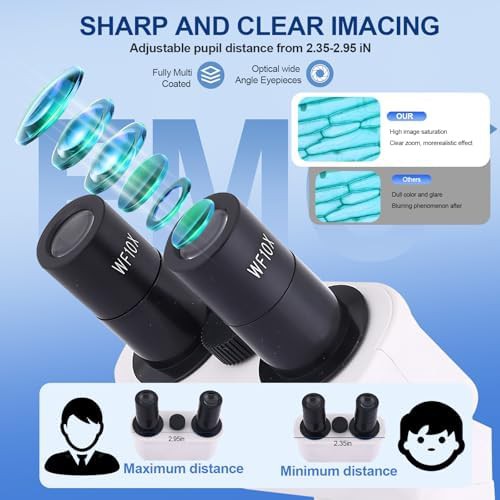
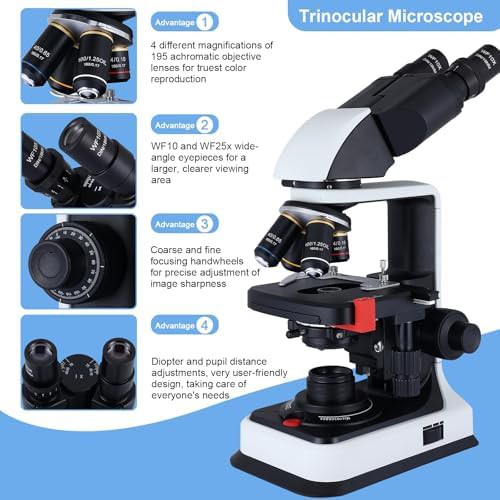
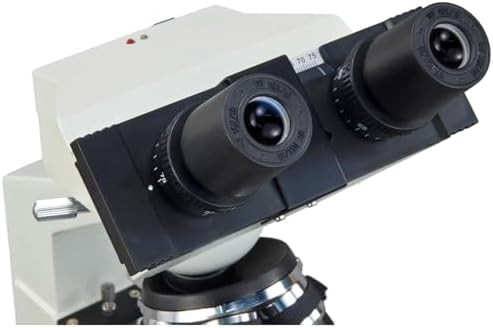
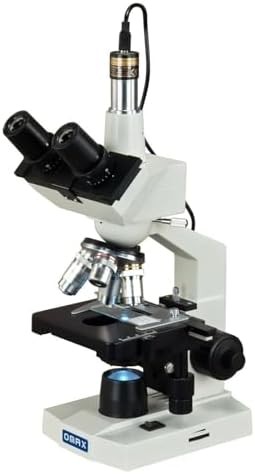
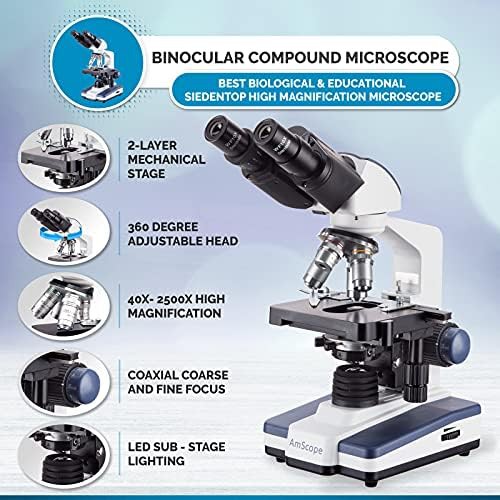
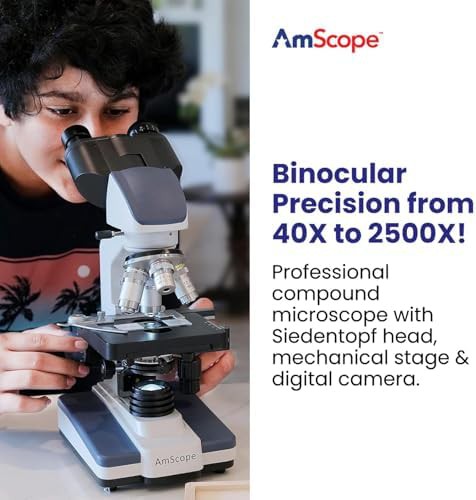
The inclusion of a Siedentopf head ensures that the interpupillary distance can be adjusted easily without changing the focus. This is essential for long sessions in a research environment where multiple users might share the same station: lab research, clinical diagnostics, biological studies.
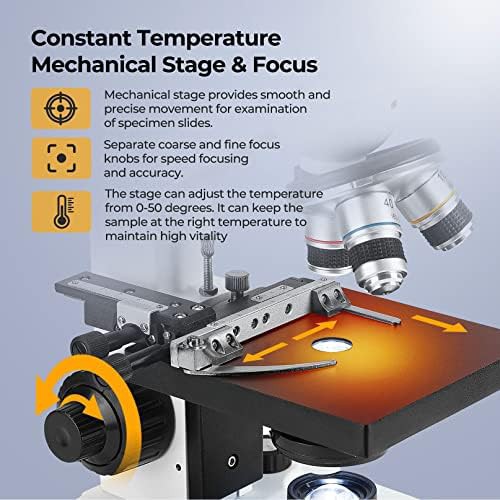
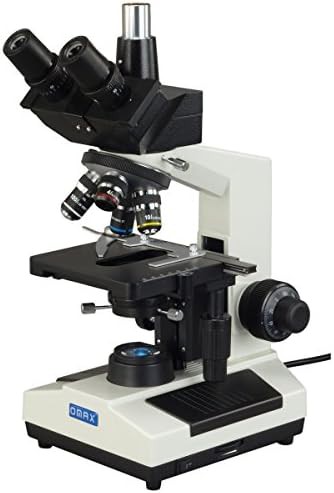
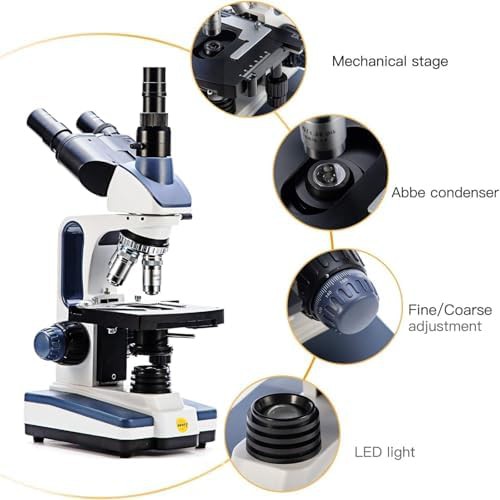
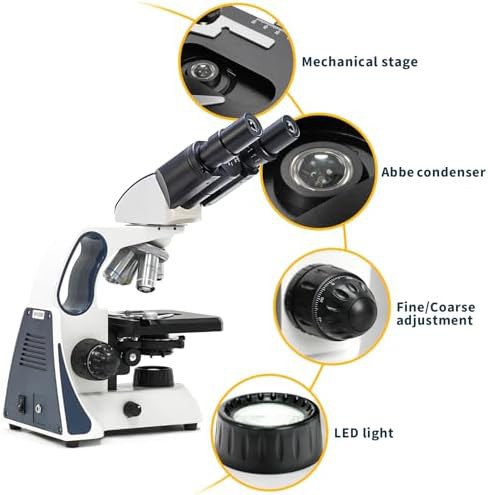
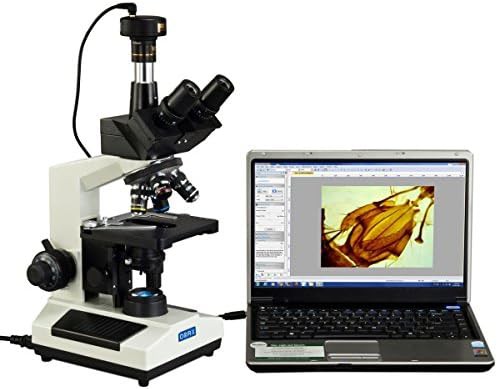
To manage the sensitivity of high-magnification viewing, these microscopes feature two-layer mechanical stages that allow for fluid movement of the specimen. Ultra-precise focusing knobs provide the minute adjustments necessary to keep a sample in sharp relief when the depth of field is extremely shallow. Components often include: mechanical stages, Abbe condensers, iris diaphragms.
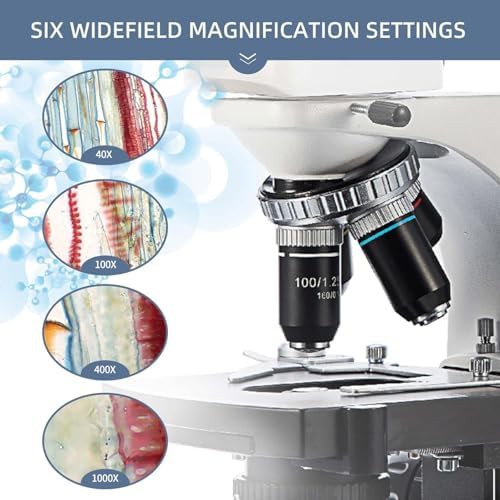
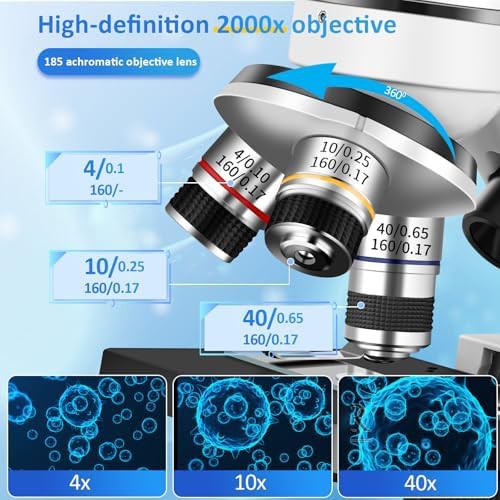
Research-grade performance relies on a consistent light path and high-quality glass objectives. While these models focus on the 2500x threshold, they maintain versatility through a range of objective lenses starting as low as 40x. The build often features a heavy base to minimize vibrations that would otherwise be magnified at the highest power: black, white, metallic finishes.
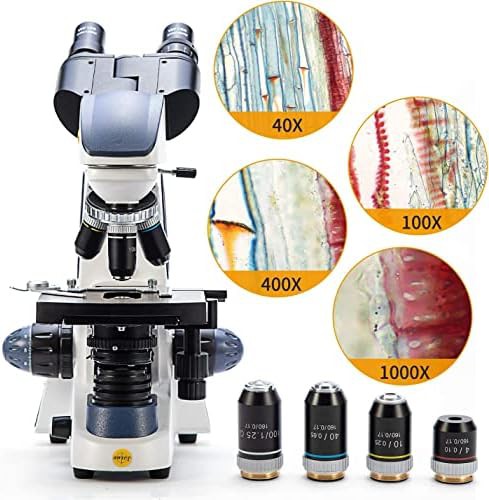
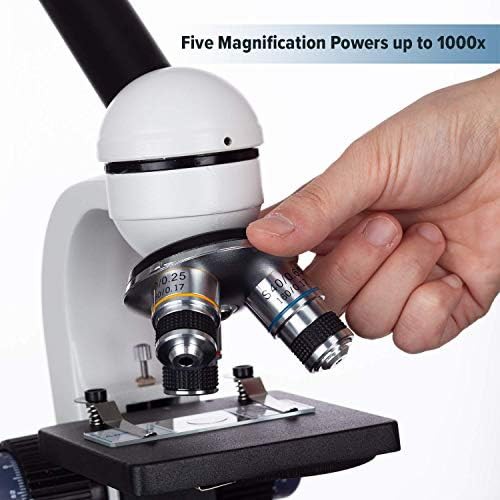
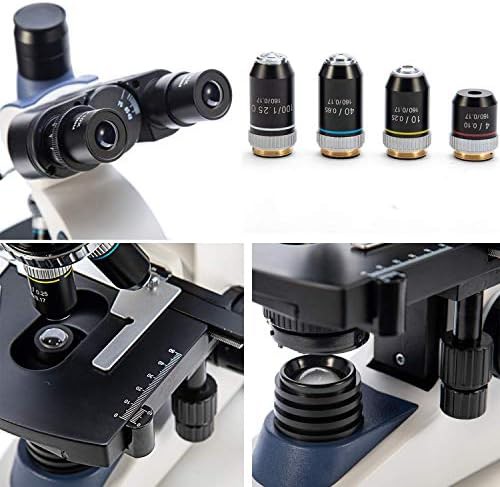
To achieve this specific magnification level, these microscopes typically use a 100x oil immersion objective lens paired with 25x wide-field eyepieces. This combination allows for the maximum resolution possible in a standard compound light microscope.
A Siedentopf head allows the user to adjust the distance between the eyepieces without affecting the tube length or the focus of the image. At 2500x, even a microscopic change in distance can blur the specimen, making this head design vital for maintaining a sharp view.
These instruments are equipped with two-layer mechanical stages that use coaxial knobs for X and Y axis control. This allows the observer to move the slide in tiny, controlled increments, which is necessary because at high power, a manual nudge of the slide would move the specimen completely out of the field of view.
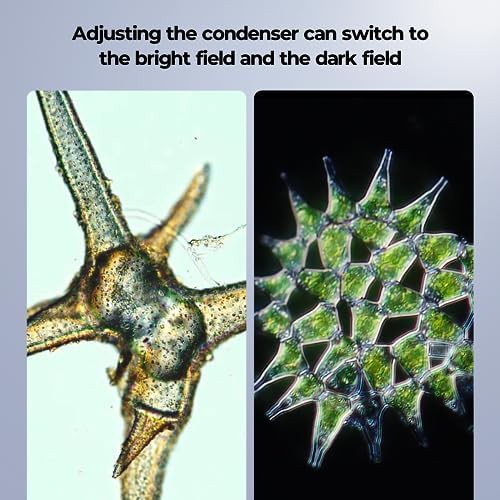
The Abbe condenser sits beneath the stage and concentrates the light into a precise cone that passes through the specimen. It often includes an iris diaphragm to control the diameter of the light beam, which helps optimize contrast and resolution at the 2500x limit.