 9.2
9.2
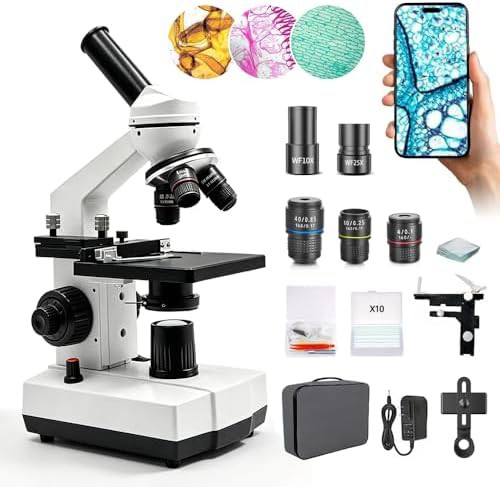
NEW ELITE
Biological compound microscope with metal body
$69.99
Compound Laboratory For students For adults 1000x magnification Affordable
Precision optics optimized for studying cells, tissues, and microorganisms 28 microscopes · 15 brands
9.2
Compound Laboratory For students For adults 1000x magnification Affordable
 9.0
9.0
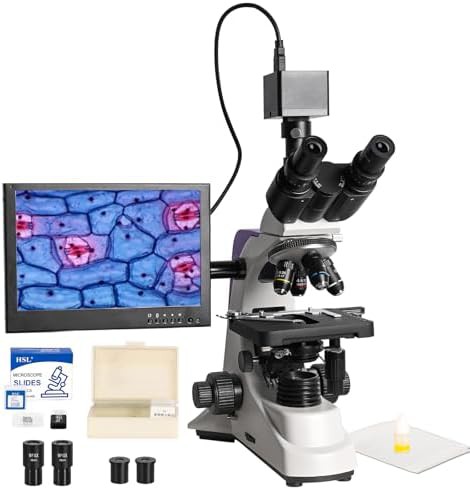
Compound LED illuminated Laboratory With cameras Trinocular For students
 8.9
8.9
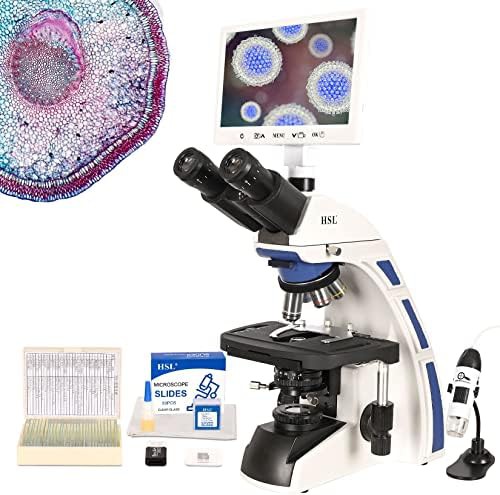
Compound Laboratory Trinocular For students For adults 1000x magnification
 8.9
8.9
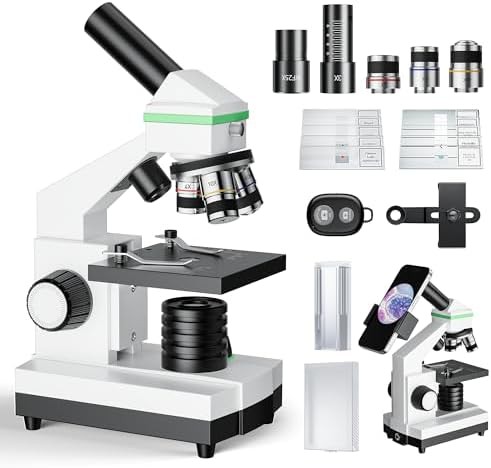
Laboratory For students For adults Professional Affordable For kids
 8.6
8.6
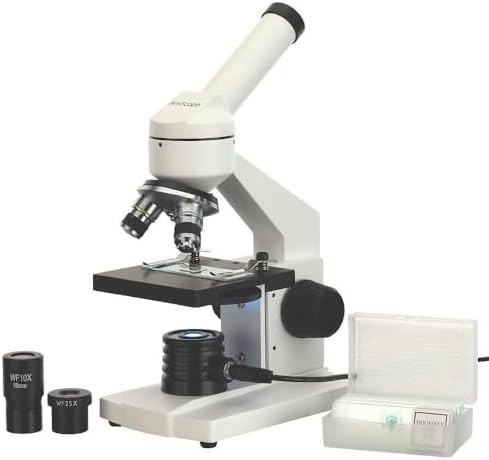
Compound LED illuminated 1000x magnification Monocular With prepared slides
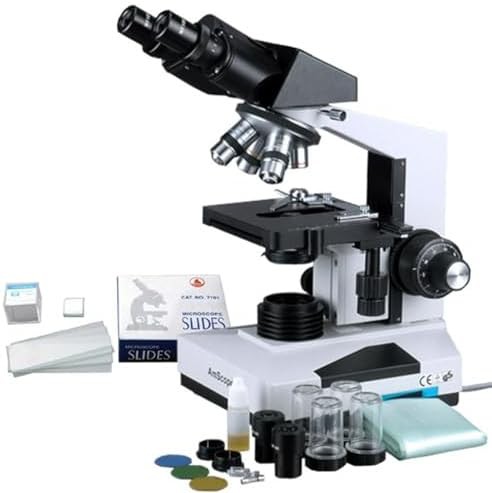 8.5
8.5
Compound Binocular With mechanical stages 1600x magnification
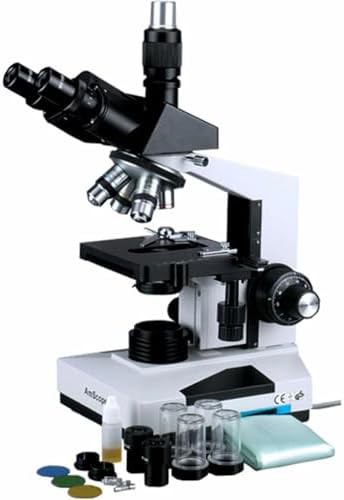 8.4
8.4
Compound LED illuminated Trinocular 2000x magnification With mechanical stages
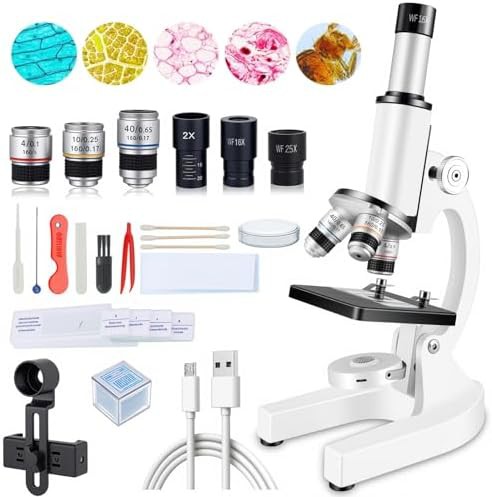 8.4
8.4
Compound Laboratory For students For adults 2000x magnification For kids
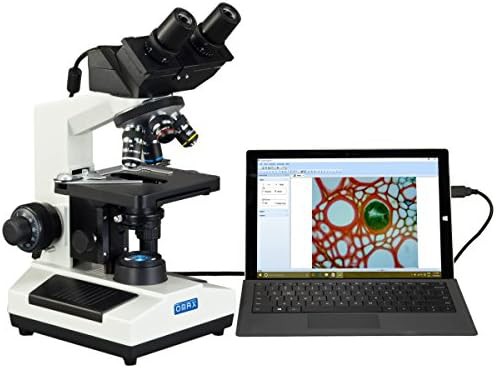 8.3
8.3
Compound With cameras 1000x magnification Digital 2000x magnification
 8.3
8.3
Compound Laboratory For students For adults 2000x magnification Affordable
 8.2
8.2
Compound LED illuminated Laboratory 1000x magnification Binocular 2500x magnification
 7.8
7.8
Compound LED illuminated Laboratory With cameras Trinocular For students
 7.2
7.2
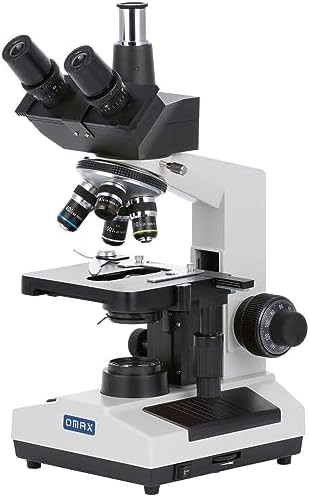
With cameras 1000x magnification Binocular 2000x magnification USB
 7.2
7.2
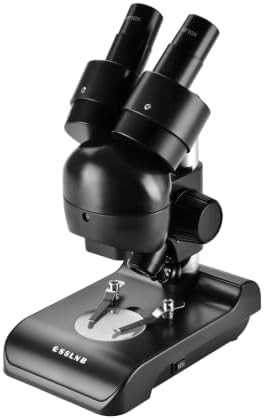
Compound LED illuminated Trinocular 2000x magnification With mechanical stages
 7.2
7.2
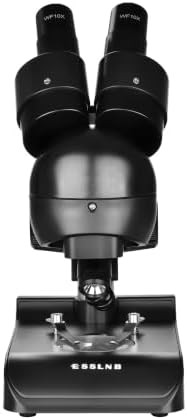
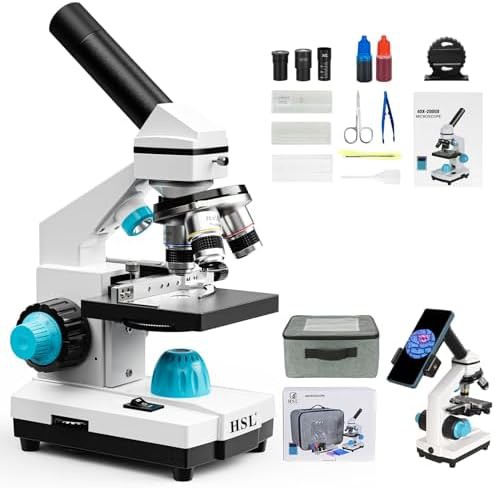
LED illuminated Binocular Stereo Affordable Portable
 7.2
7.2
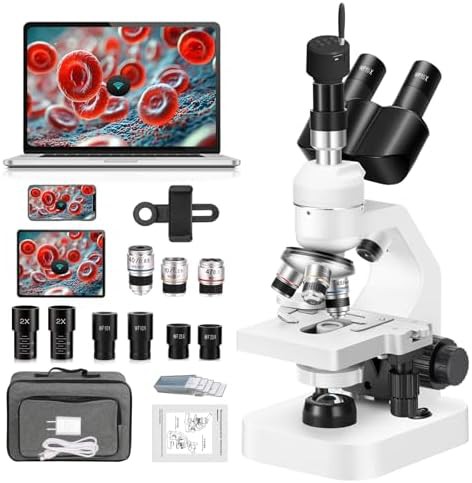
Compound Laboratory For students For adults 1000x magnification 2000x magnification
 6.9
6.9
LED illuminated Trinocular For students 1000x magnification 2000x magnification For kids
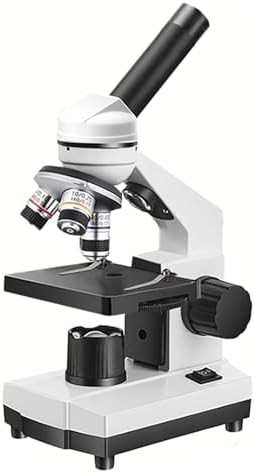 6.9
6.9
Compound LED illuminated Laboratory For students For adults 2000x magnification
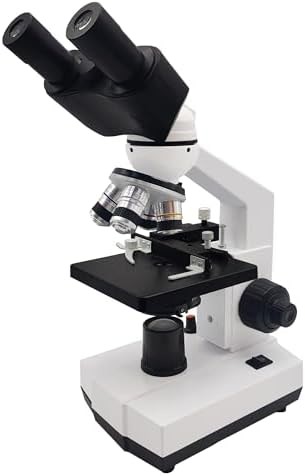 6.7
6.7
Compound Laboratory For students For adults Binocular
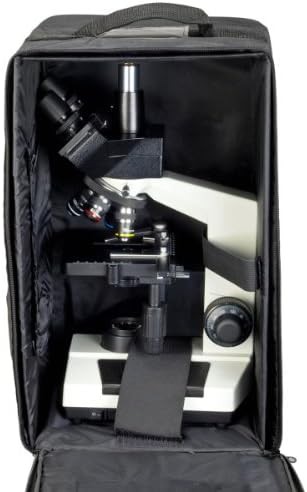
Compound LED illuminated Trinocular 1000x magnification 2000x magnification
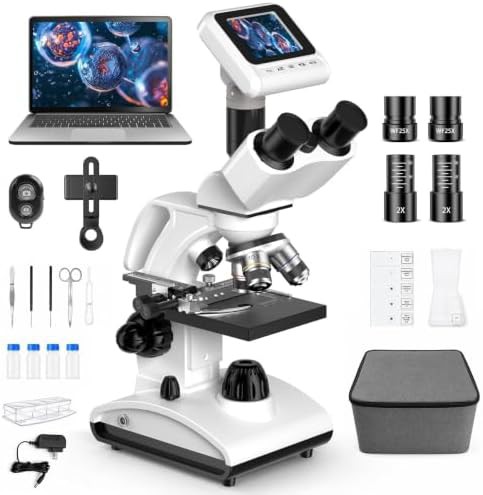
Compound LED illuminated Trinocular 2000x magnification
 8.3
8.3
Compound LED illuminated 1000x magnification With mechanical stages
 8.2
8.2
For students For adults 1000x magnification 2000x magnification For kids
 8.1
8.1
Compound For students For adults 2000x magnification For kids Monocular
 7.4
7.4
LED illuminated Laboratory For students For adults 1000x magnification 2000x magnification
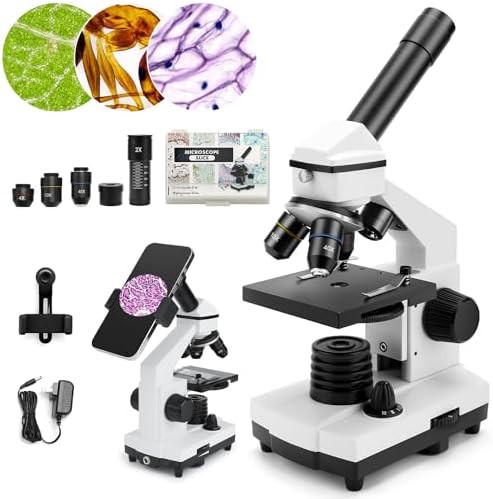 7.1
7.1
Laboratory For adults 2000x magnification Affordable With phone adapters
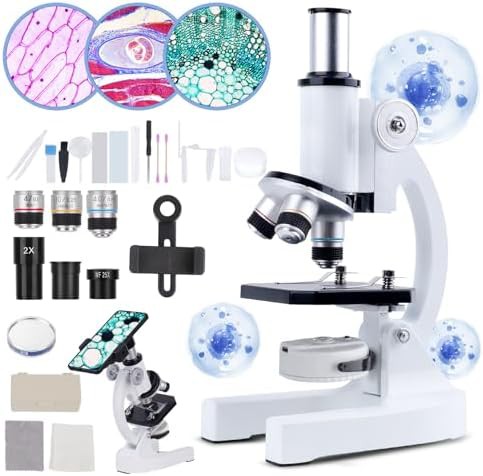
Compound LED illuminated Laboratory For students 2000x magnification For kids
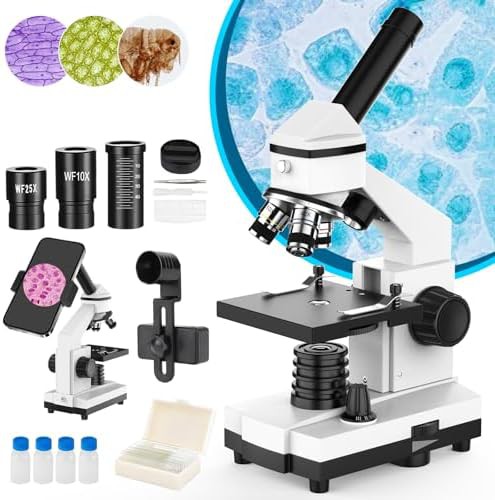
For students For adults 2000x magnification For kids Monocular
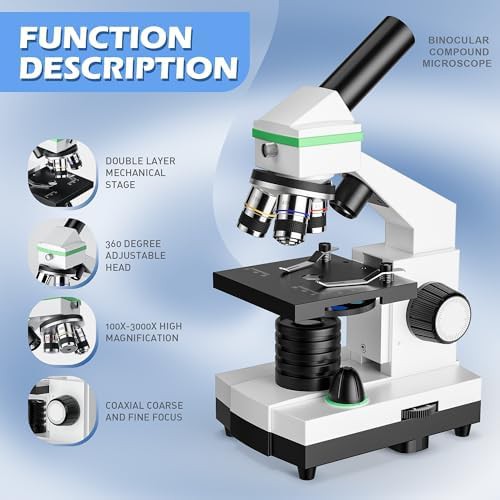
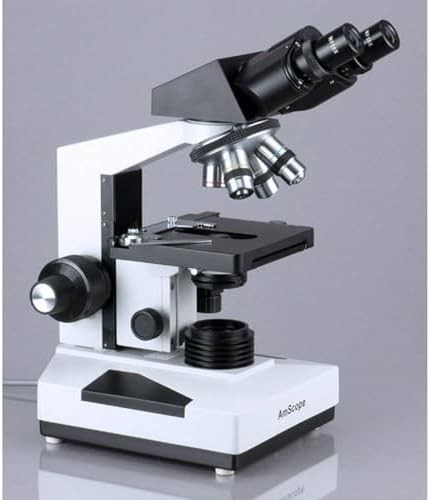
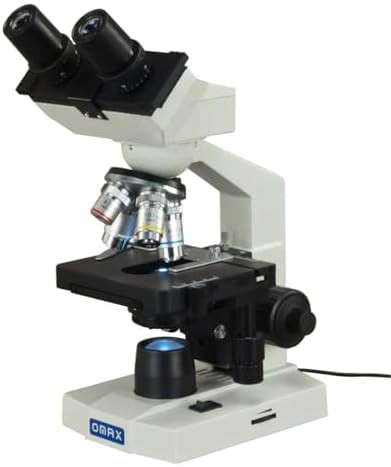
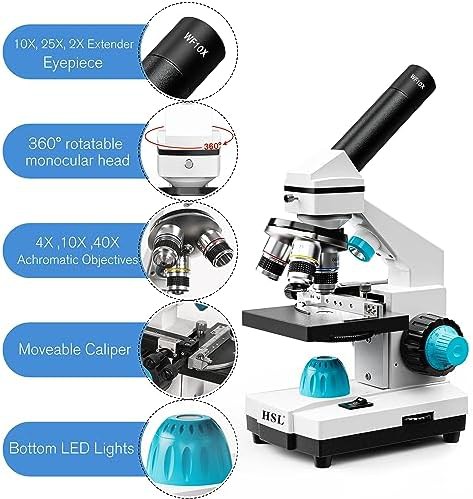
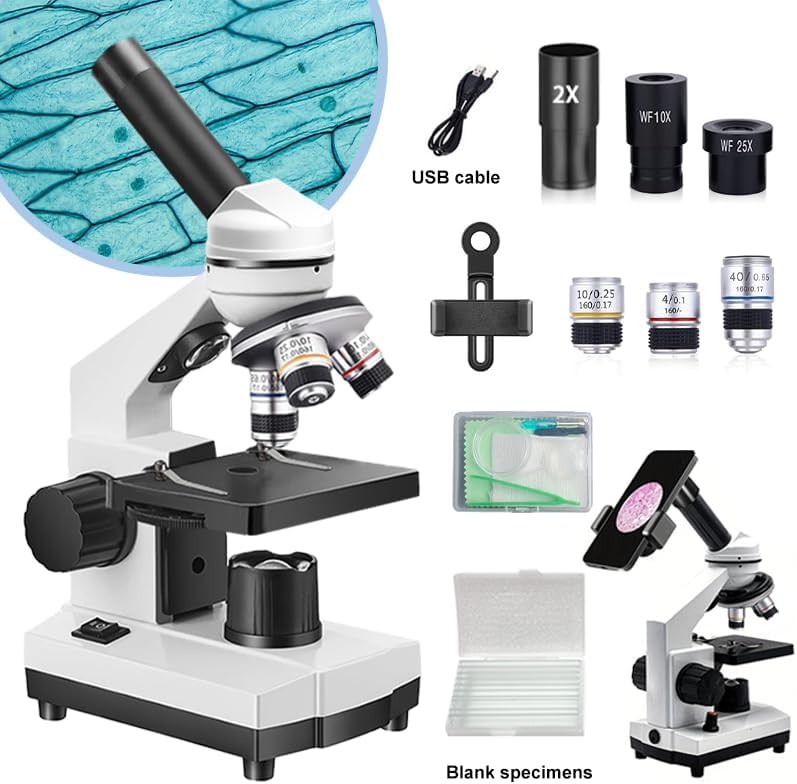
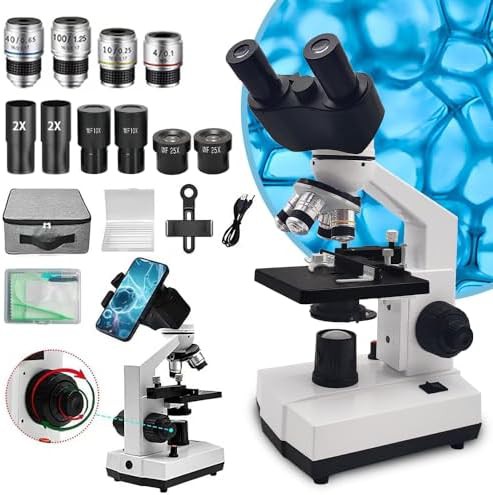
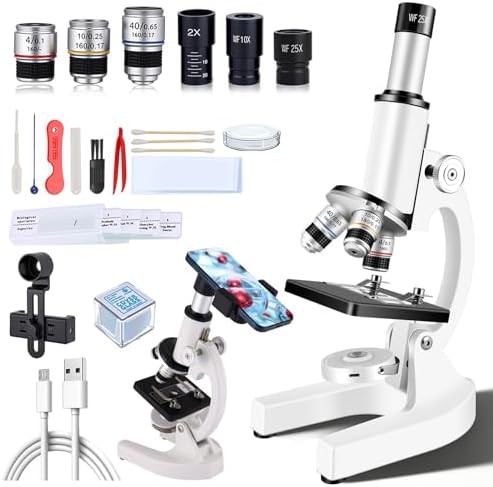
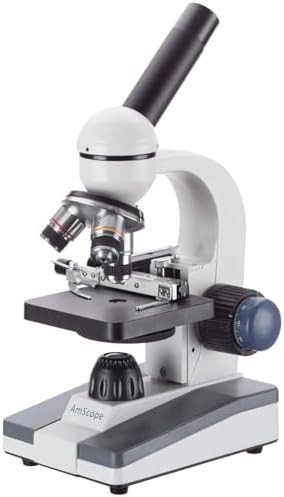
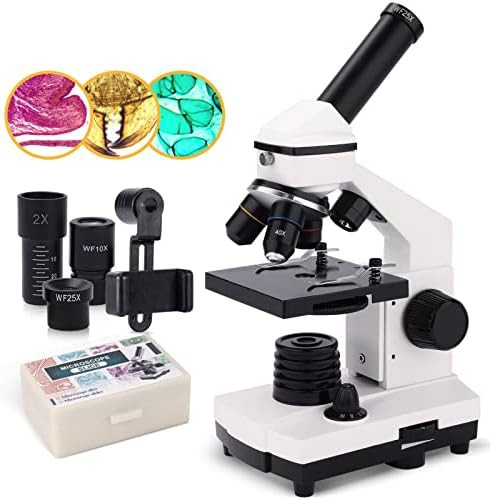
Biological microscopes are designed to transmit light through thin, translucent specimens such as tissue sections, blood smears, and pond water samples. These instruments utilize high-power objective lenses to resolve fine details within cells, often starting at 40x and reaching up to 2500x magnification. The configuration typically involves a compound lens system where light passes through a condenser before hitting the slide and entering the objective lens.
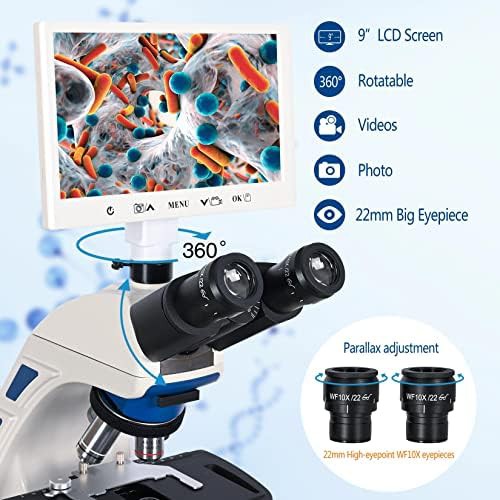
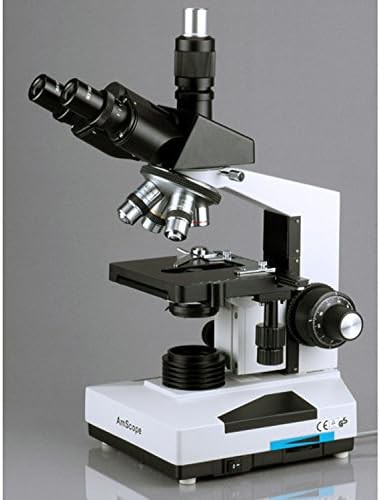
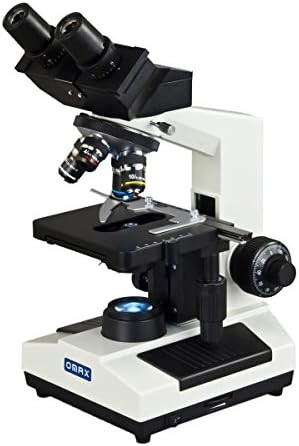
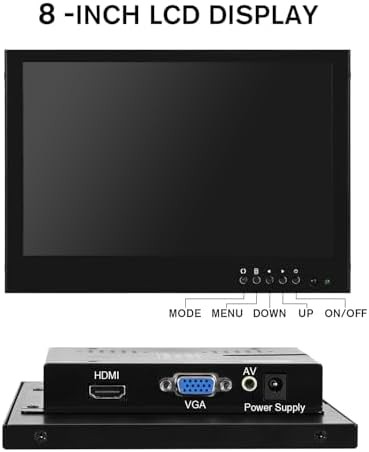
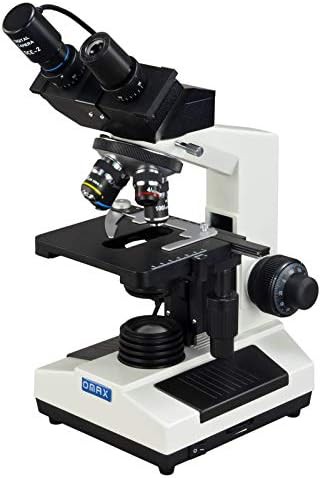
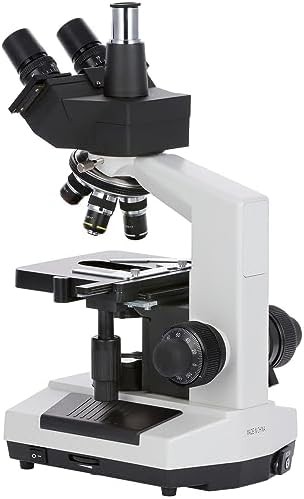
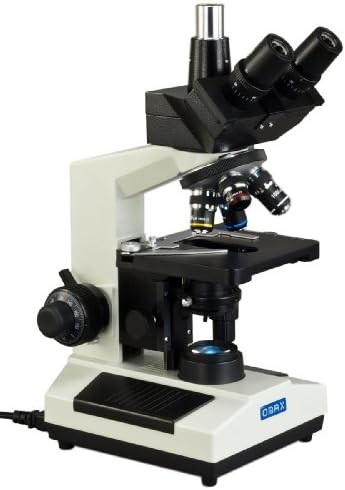
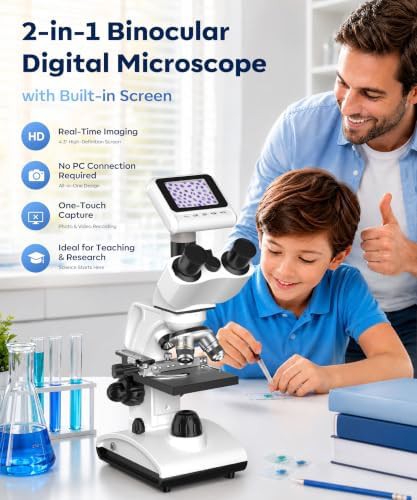
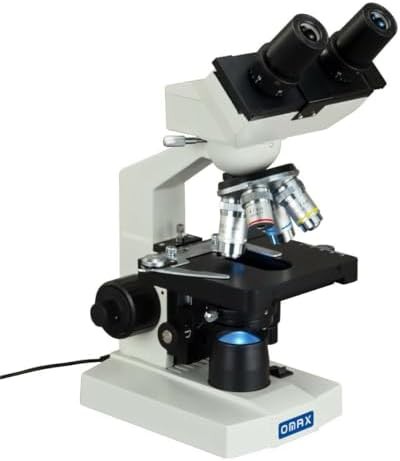
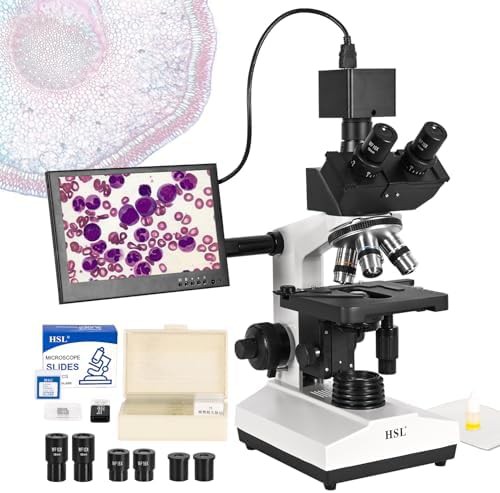
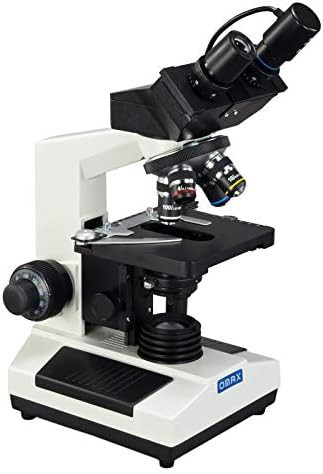
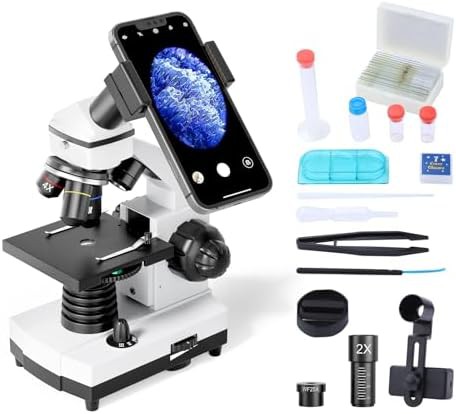
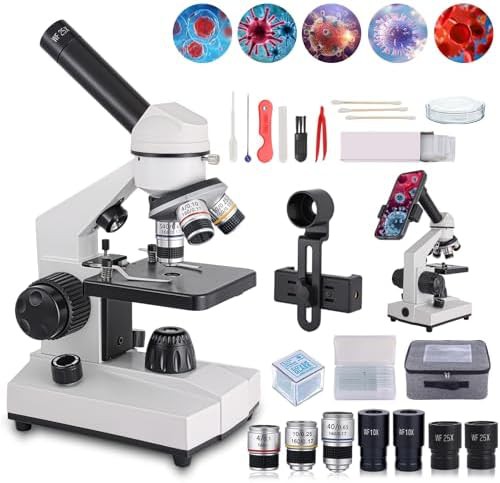
While stereo microscopes are used for solid objects, these biological models focus exclusively on slide-mounted specimens. The selection includes various viewing heads such as monocular versions for beginners, binocular setups for comfortable long-term use, and trinocular models that allow for simultaneous viewing and imaging. High-resolution LCD screens are integrated into some professional units to provide a shared viewing experience without the need for traditional eyepieces.
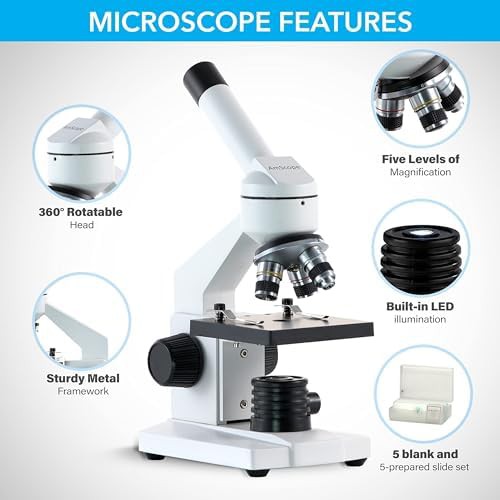
The construction of these units often incorporates metal frames for stability during high-magnification work. Materials and components found across these models include: glass optics, metal stages, plastic housing components, led illumination systems, lcd displays. These features support diverse applications from basic classroom education to advanced laboratory research.
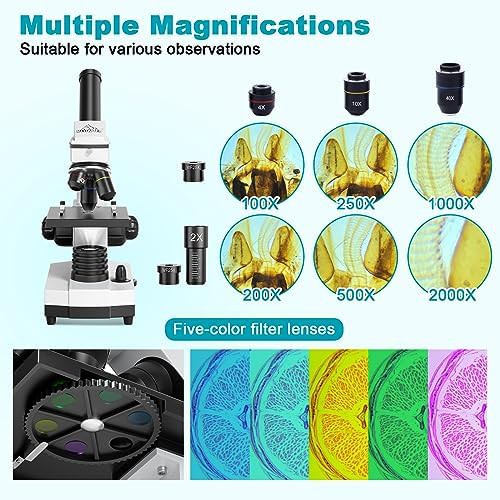
Most biological microscopes provide a range from 40x to 2500x. Lower powers are used for identifying tissue structures, while 1000x and above are necessary for observing bacteria and cellular organelles.
Biological microscopes use transmitted light to see through thin specimens on slides at high magnification. Stereo microscopes use reflected light to view the surface of solid, 3D objects at much lower power.
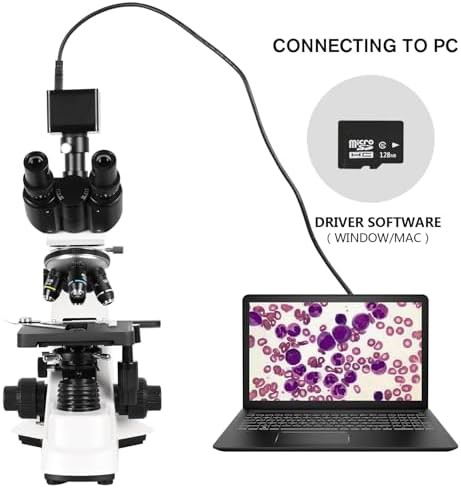
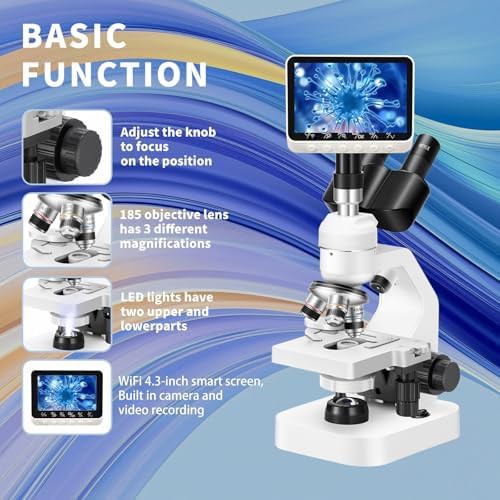
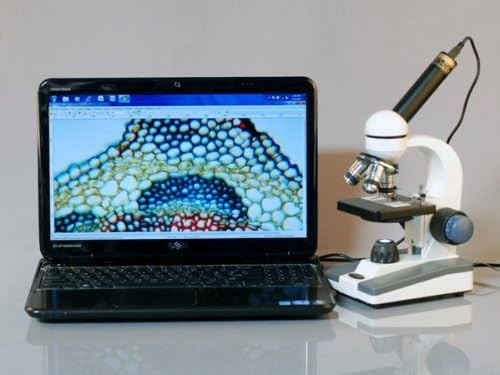
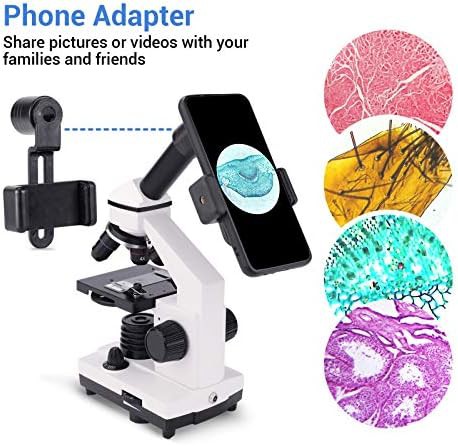
Many models feature trinocular heads or integrated LCD screens with 2K cameras for capturing images. These digital versions allow for recording video or displaying live feeds of microorganisms on large displays.
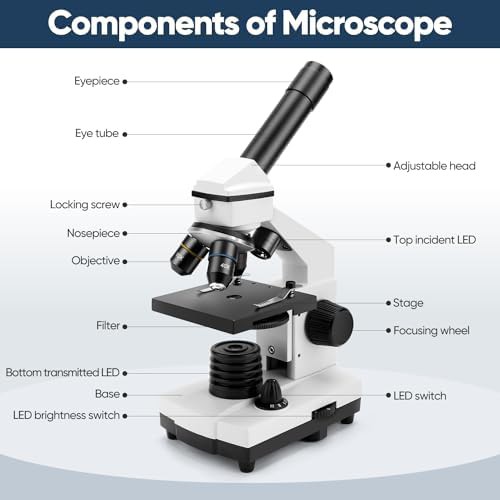
Modern biological models primarily use LED illumination which provides cool, bright light that does not damage live specimens. Some units feature dual LED systems to provide both transmitted and incident lighting for various sample types.