 9.4
9.4

Swift
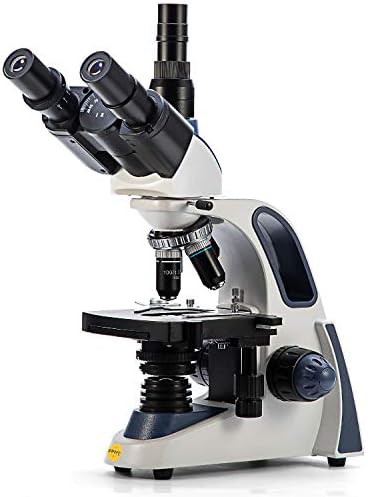
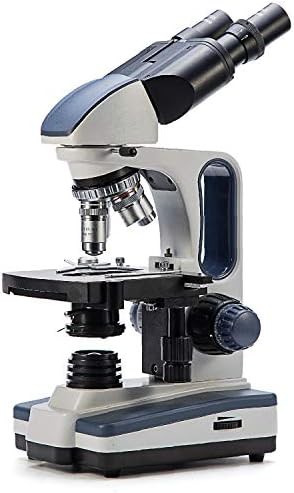
Binocular compound lab microscope with Abbe condenser
$310
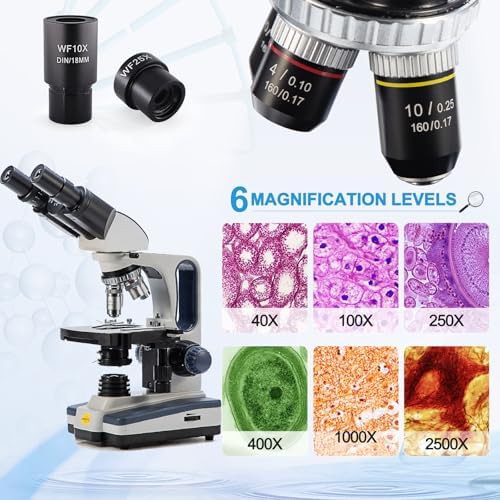
Compound Laboratory For students Binocular 2500x magnification
Precision controls for smooth and accurate slide movement 60 microscopes · 20 brands
9.4
Compound Laboratory For students Binocular 2500x magnification
 9.4
9.4
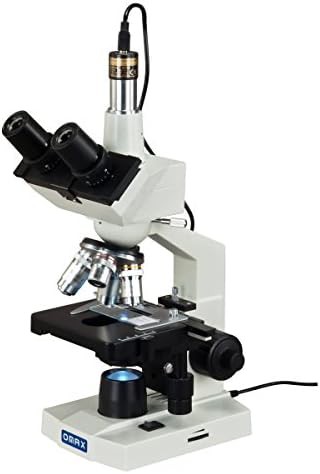
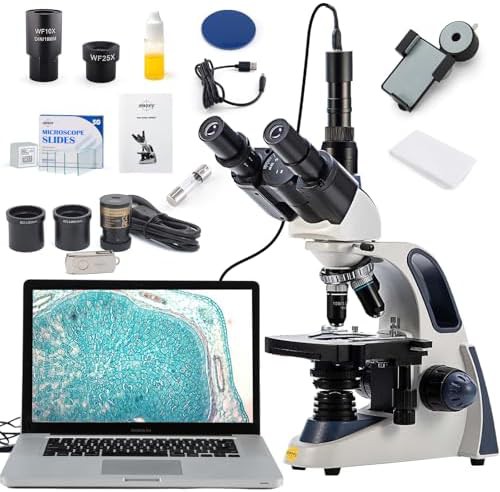
Compound With cameras Trinocular 1000x magnification 2500x magnification
 9.3
9.3
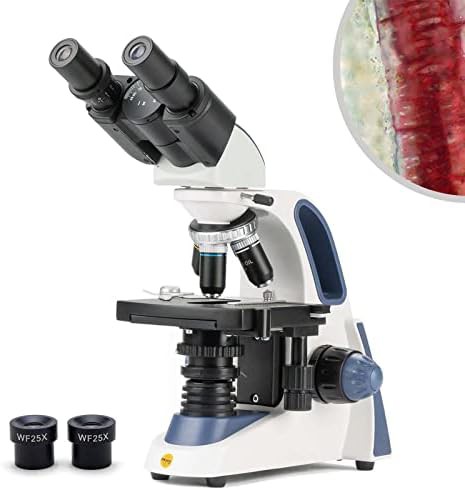
Compound For students Binocular 2500x magnification
 9.2
9.2
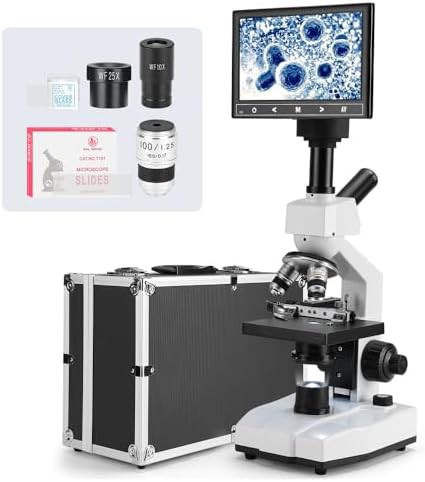
Compound Laboratory 2500x magnification Monocular With LCD screens
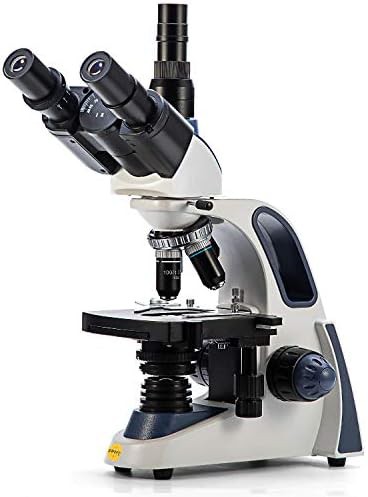 9.1
9.1
Compound Laboratory With cameras Trinocular For students 2500x magnification
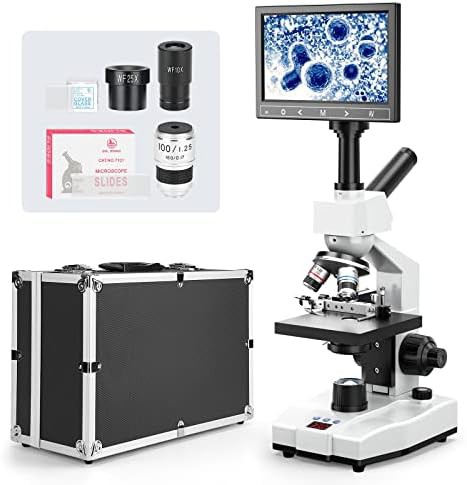 9.1
9.1
Compound Laboratory With cameras 2500x magnification Monocular
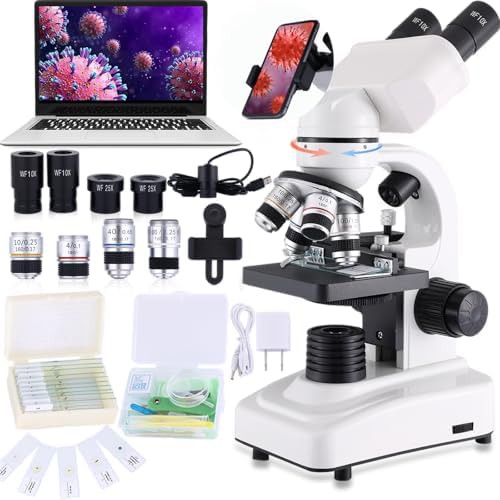 9.1
9.1
Compound For adults Binocular 2500x magnification Dual light
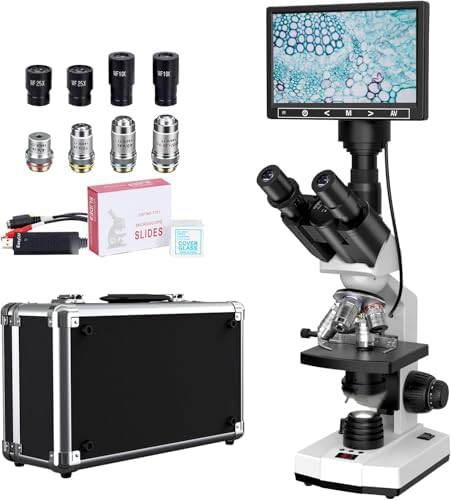 9.1
9.1
Compound Laboratory With cameras Trinocular For adults 2500x magnification
 9.0
9.0
Compound Laboratory With cameras Trinocular For students 2500x magnification
 9.0
9.0
Laboratory For students For adults Binocular 2500x magnification
 8.9
8.9
Compound LED illuminated Laboratory For students Binocular 2500x magnification
 8.8
8.8
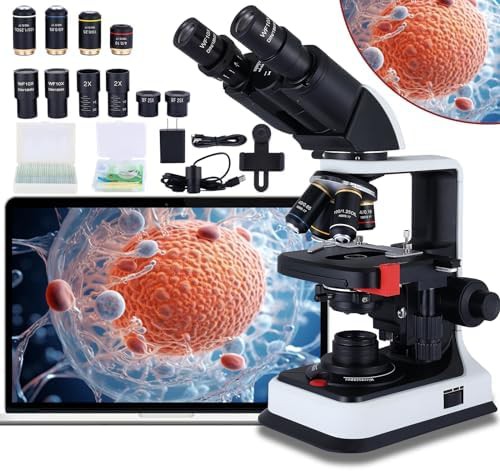
Compound Trinocular 2000x magnification
 8.8
8.8
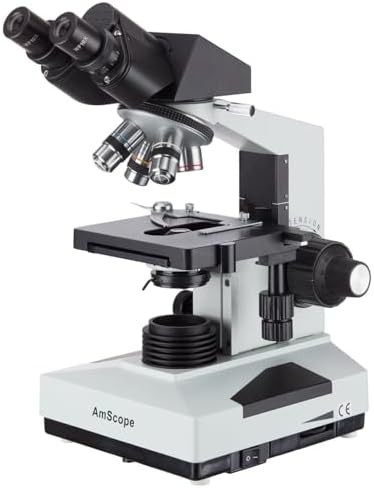
Compound LED illuminated Laboratory For students For adults 1000x magnification
 8.5
8.5
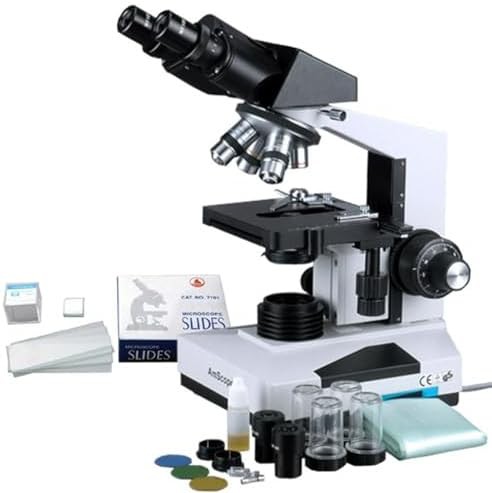
Compound Binocular 2000x magnification With Abbe condensers
 8.5
8.5
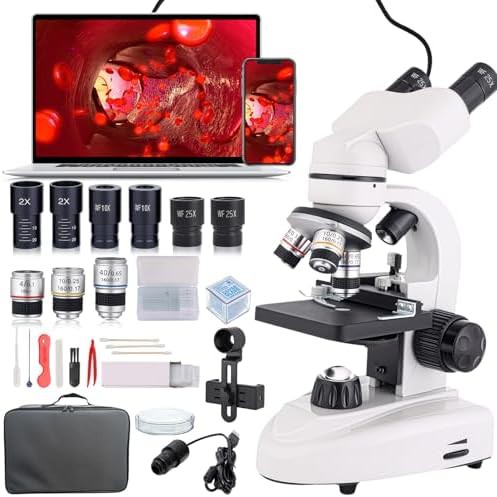
Compound Binocular Biological 1600x magnification
 8.5
8.5
Compound Laboratory For students For adults Binocular 2000x magnification
 8.5
8.5
Compound LED illuminated Laboratory Binocular 2500x magnification Professional
 8.4
8.4
Compound LED illuminated Trinocular 2000x magnification Biological
 8.4
8.4
Compound With cameras Trinocular 1000x magnification 2500x magnification
 8.4
8.4
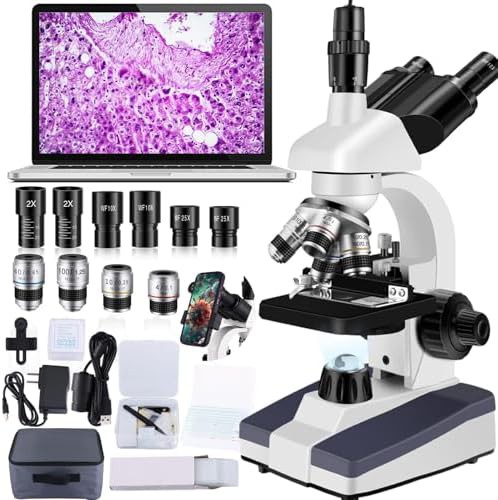
Laboratory With cameras Trinocular For adults USB
 8.4
8.4
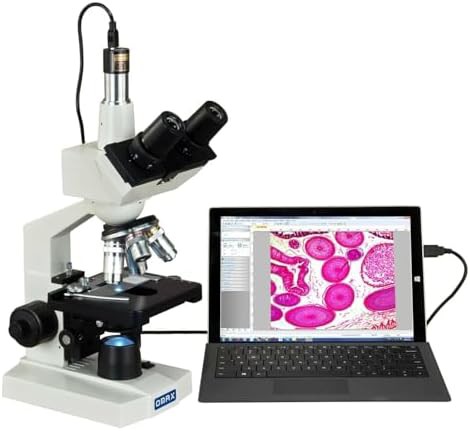
Laboratory With cameras Trinocular For adults USB
 8.3
8.3
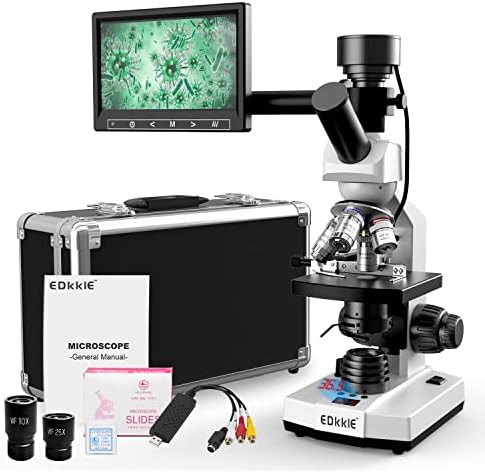
Compound LED illuminated Laboratory With cameras Trinocular Digital
 8.3
8.3
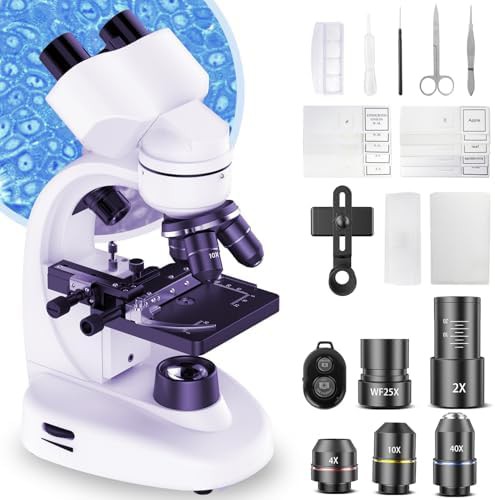
Compound Laboratory With cameras For students For adults 2500x magnification
 8.3
8.3
Compound LED illuminated Laboratory For students For adults Binocular
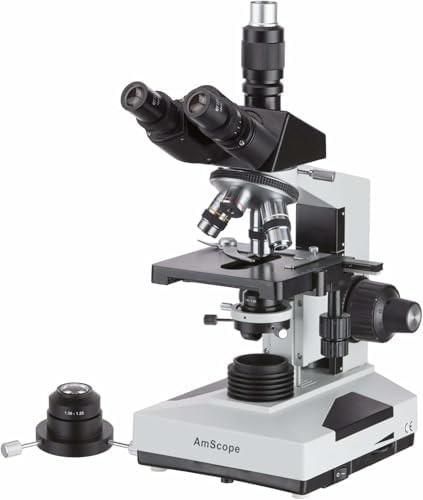 8.2
8.2
Compound Trinocular 2000x magnification With Abbe condensers
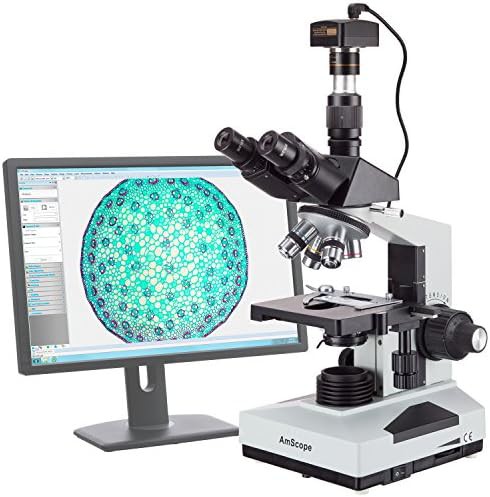 8.2
8.2
Compound Laboratory Trinocular 2000x magnification Professional
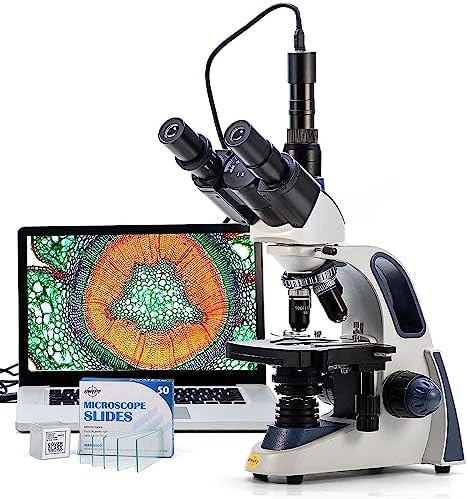 8.2
8.2
Compound With cameras Trinocular 1000x magnification 2500x magnification
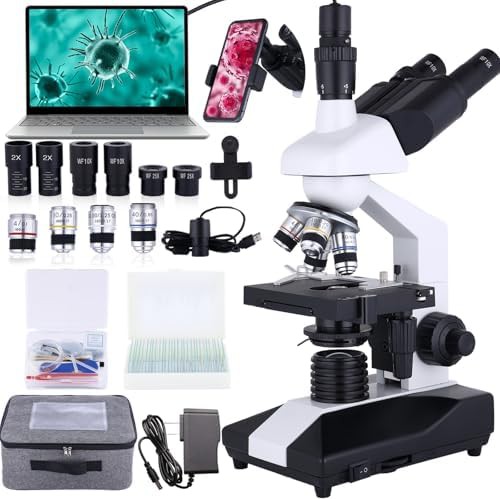 8.2
8.2
Compound LED illuminated With cameras Trinocular For adults 1000x magnification
 8.1
8.1
Compound LED illuminated Laboratory With cameras Trinocular Digital
 8.1
8.1
Compound Laboratory For students For adults 1000x magnification Binocular
 7.9
7.9
Black Compound LED illuminated Laboratory 1000x magnification Binocular
 7.9
7.9
Compound LED illuminated Laboratory With cameras Trinocular For students
 7.9
7.9
Compound Laboratory For students Binocular 2500x magnification
 7.8
7.8
Compound With cameras For students Binocular Digital 2500x magnification
 7.7
7.7
Compound LED illuminated Laboratory Trinocular 1000x magnification 2000x magnification
 7.7
7.7
Compound Laboratory Trinocular 2500x magnification With LCD screens
 7.7
7.7
Compound LED illuminated Laboratory Trinocular 2500x magnification
 7.6
7.6
Compound Trinocular 1000x magnification Digital 2500x magnification
 7.4
7.4
Compound LED illuminated Laboratory Trinocular With prepared slides
 7.2
7.2
Compound LED illuminated Trinocular 2000x magnification Biological
 7.1
7.1
Compound Laboratory With cameras Binocular 2500x magnification
 7.1
7.1
Compound Laboratory With cameras For students Binocular 2500x magnification
 6.6
6.6
Compound Trinocular With Abbe condensers 1600x magnification
 5.6
5.6
Compound With cameras Trinocular 1000x magnification 2500x magnification
 4.0
4.0
 4.0
4.0
Compound With cameras Trinocular 1000x magnification 2500x magnification
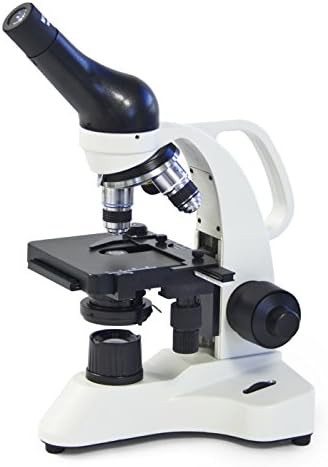
Compound LED illuminated Monocular With Abbe condensers
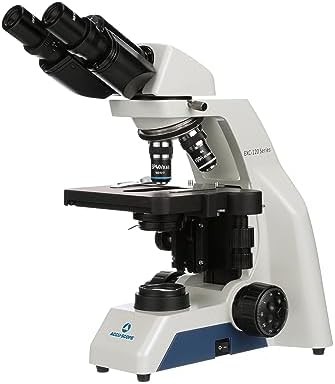
Compound LED illuminated 1000x magnification Binocular With Abbe condensers
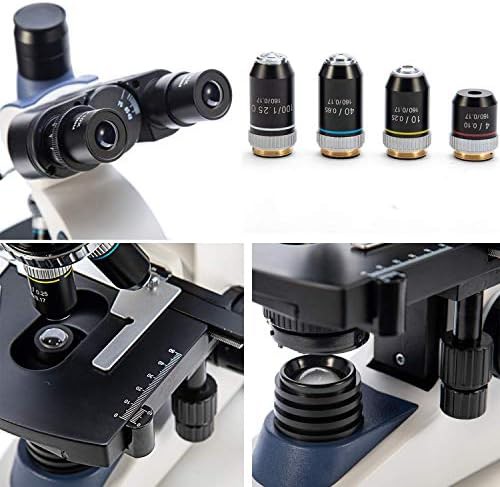
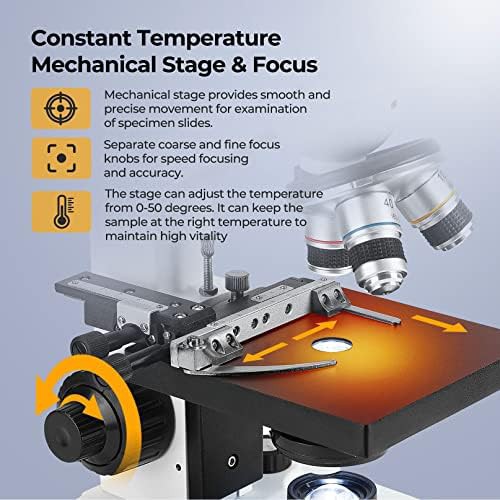
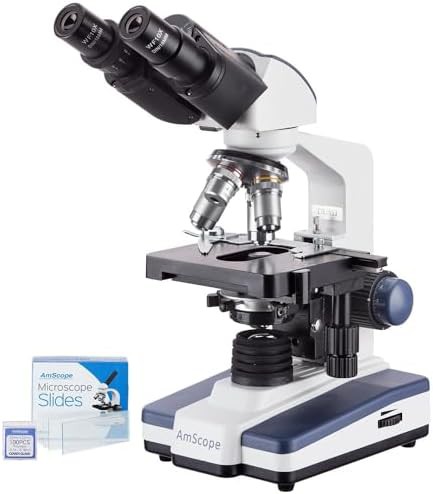
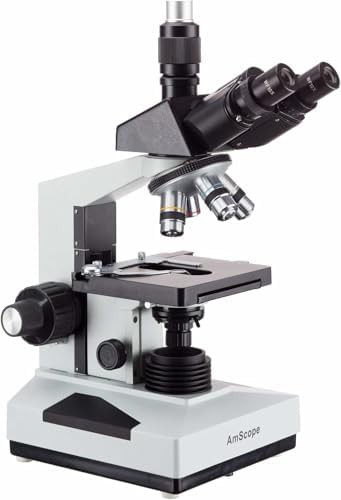
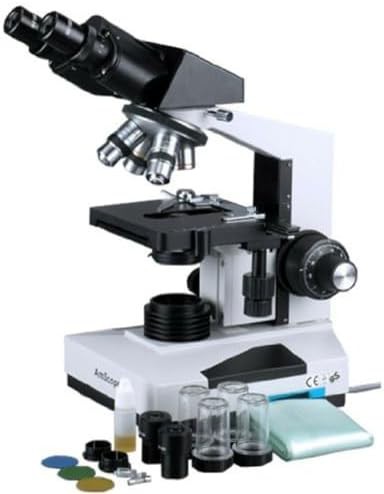
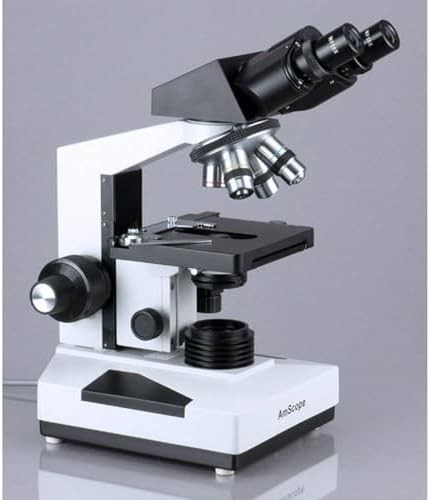
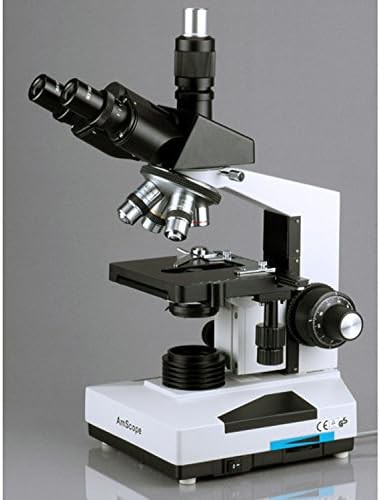
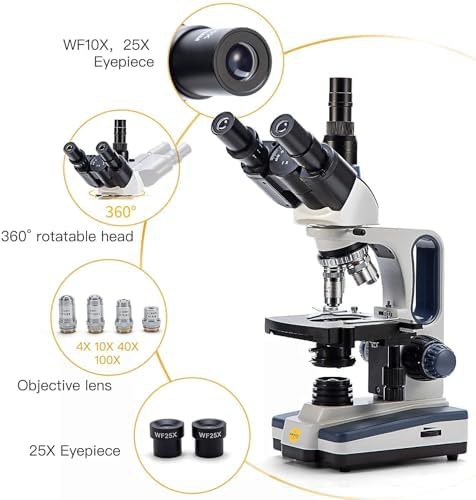
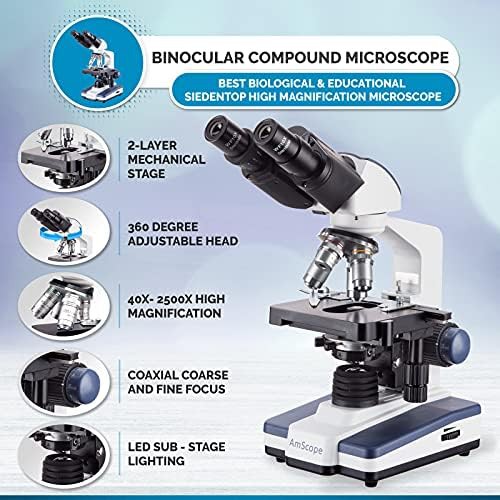
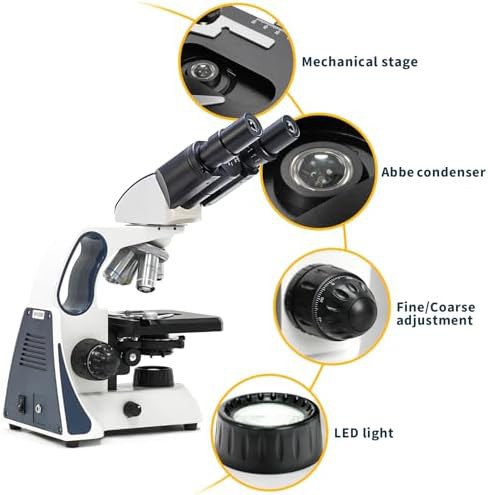
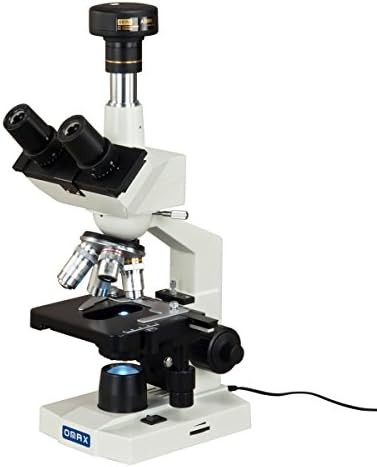
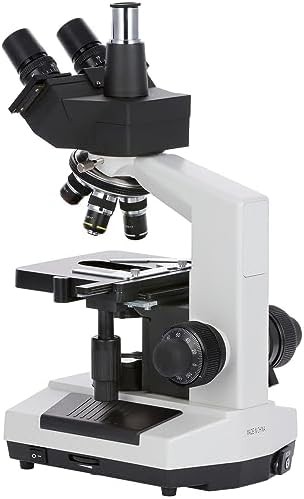
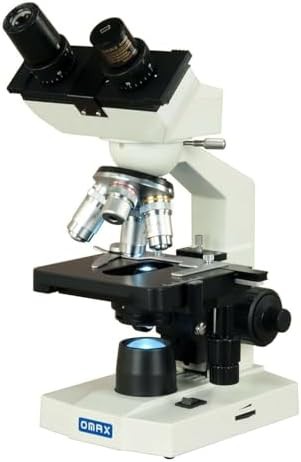
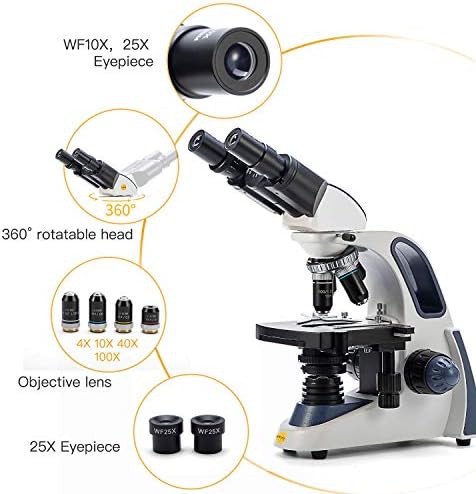
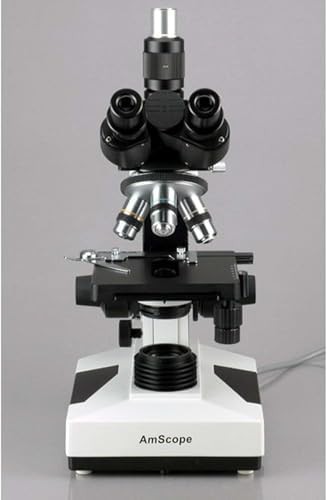
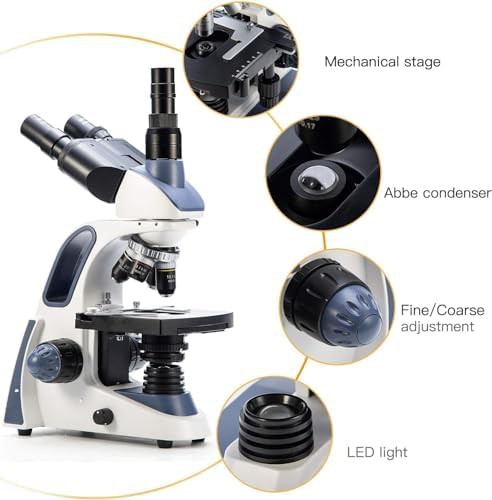
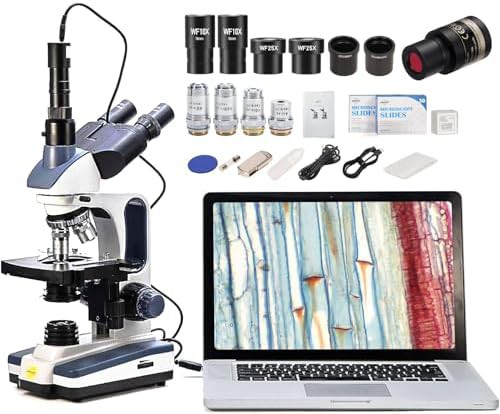
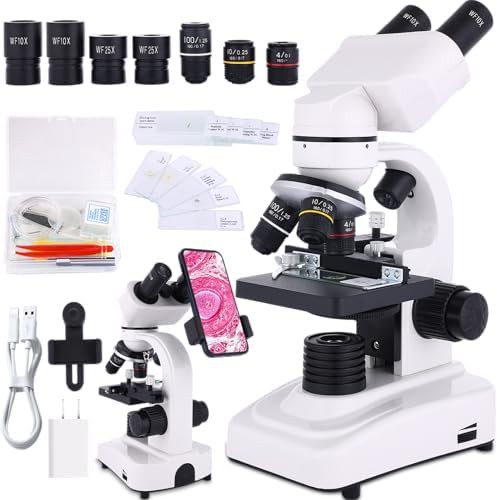
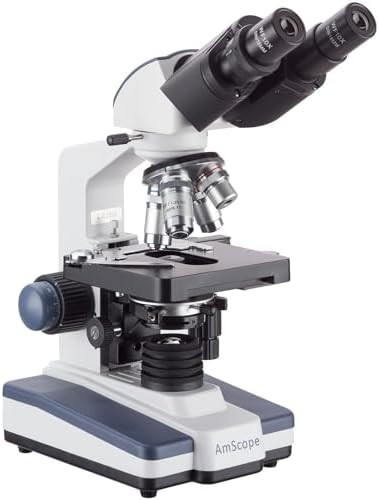
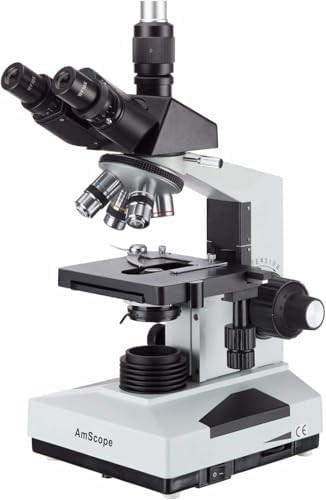
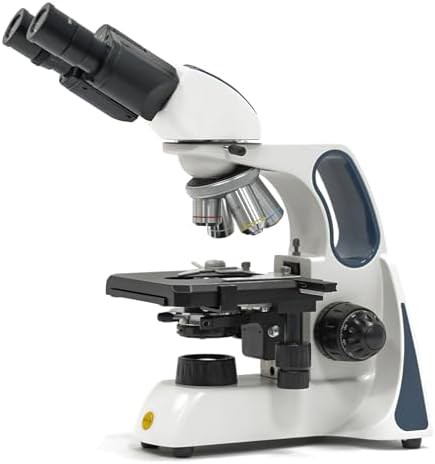
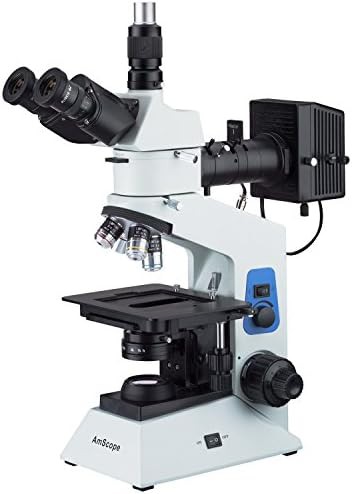
A mechanical stage provides a controlled platform for moving slides along the X and Y axes with high precision. Instead of moving the slide by hand, which is difficult at high magnifications, the user turns coaxial knobs to glide the specimen smoothly. This is essential when working at 1000x or 2500x where even a microscopic nudge can move the entire field of view off the target.
These stages are typically built as two-layer systems that allow the slide holder to move independently of the main microscope body. The metal construction ensures that movement is fluid and free of the jerky motions common with manual clips. Many designs include graduated scales or vernier markings, allowing a researcher to record the exact coordinates of a specific cell and return to it later.
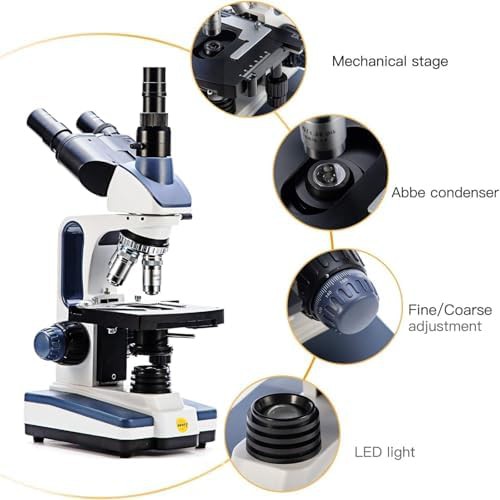
The mechanical stage is often paired with an Abbe condenser and iris diaphragm to further refine the light path. This combination allows for professional-grade control over both the position of the sample and the quality of the illumination. Common materials for these components include: blackened aluminum, stainless steel gears, brass adjustment knobs, chrome-plated slide holders.
The integration of a mechanical stage often coincides with ultra-precise focusing mechanisms to handle the narrow depth of field at high power. Because the stage is fixed to the frame with heavy-duty mounting, it remains stable during intense observation sessions. This feature is a standard requirement for research-grade lab work where scanning large areas of a slide is a routine task: black, blue, white.
A mechanical stage allows for tiny, incremental movements of the slide using control knobs. This prevents the frustration of overshooting your target, which happens frequently when moving a slide by hand at high magnification.
A two-layer stage consists of a fixed lower platform and a movable upper platform that holds the slide. This design provides more stability and smoother travel across the full range of motion compared to single-layer versions.
Yes, most mechanical stages feature graduated vernier scales on both axes. You can note the numerical coordinates of a specific finding to quickly relocate it during future observations.
High-quality stages are made of metal to ensure durability and prevent the gears from slipping. A metal stage provides the necessary weight and rigidity to keep the specimen perfectly still while you focus.