 9.4
9.4
Microscopes / Compound
This range
Compound Microscopes
Last updated 2026-10-18
High-magnification systems designed for viewing transparent specimens on slides 152 microscopes · 43 brands
Compound
LED illuminated
Laboratory
With cameras
Trinocular
For students
For adults
1000x magnification
Digital
Binocular
2000x magnification
2500x magnification
Professional
USB
Affordable
With mechanical stages
Stereo
For kids
Monocular
Coin collection
With LCD screens
Jewelry
Biological
With Abbe condensers
With phone adapters
With prepared slides
Soldering
Boom arm
5000x magnification
Portable
Dual light
White
HDMI
With metal stands
1600x magnification
WiFi
Black
With carrying cases
With experiment kits
Flex arm
Best Compound Microscopes
9.4
 9.4
9.4
 9.4
9.4
Swift
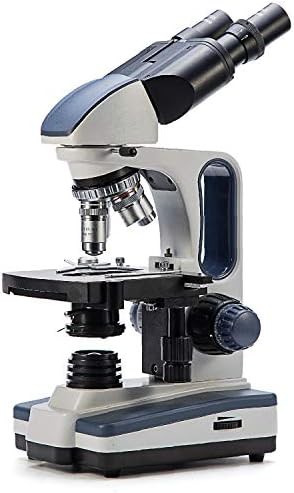
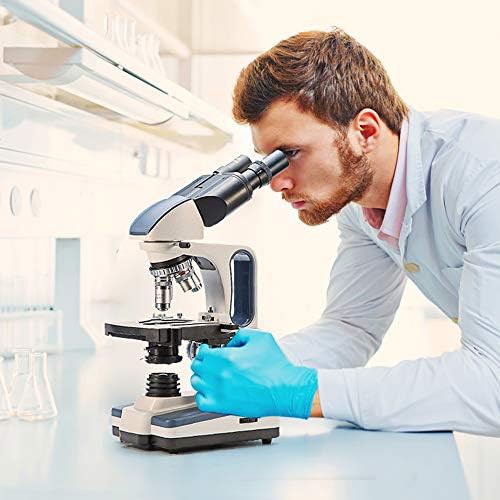
Binocular compound lab microscope with Abbe condenser
$310
Laboratory For students Binocular 2500x magnification With mechanical stages
 9.4
9.4
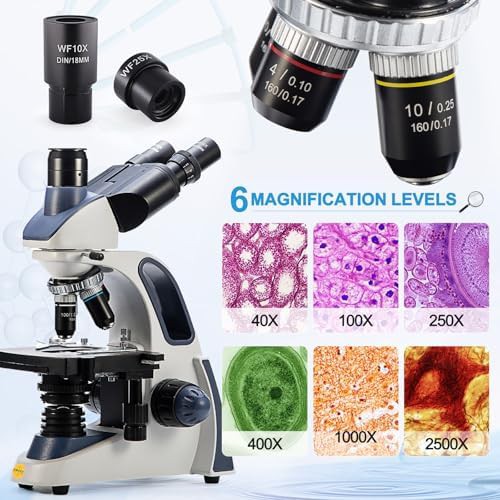
Swift
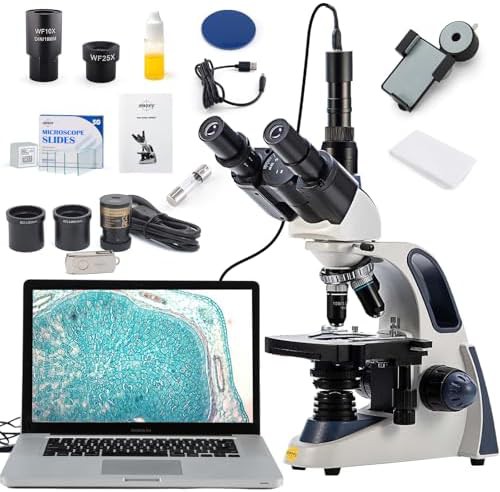
Trinocular microscope with 5MP camera and phone adapter
$400
With cameras Trinocular 1000x magnification 2500x magnification With mechanical stages
 9.3
9.3
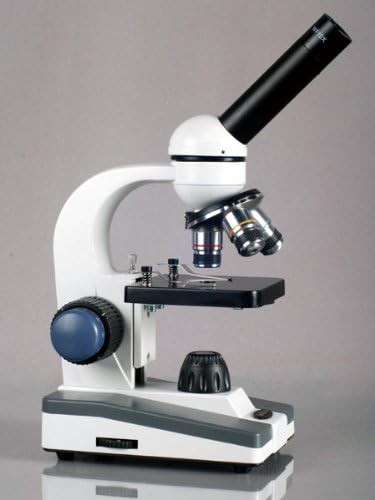
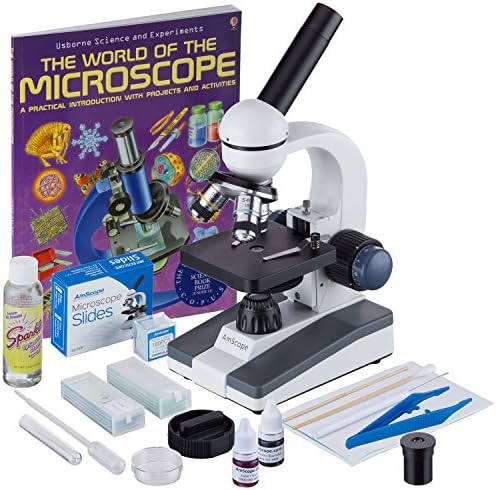
AmScope
Portable monocular compound microscope 1000x magnification
$179
1000x magnification Monocular Portable
 9.3
9.3
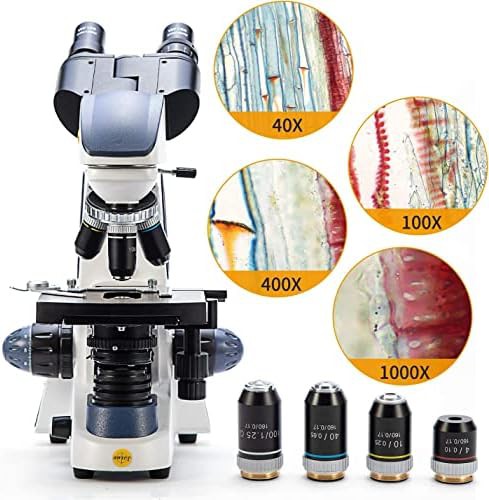
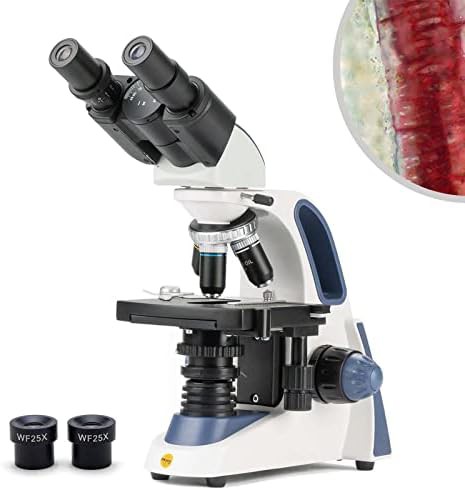
Swift
Binocular research microscope with mechanical stage
$240
For students Binocular 2500x magnification With mechanical stages
 9.3
9.3
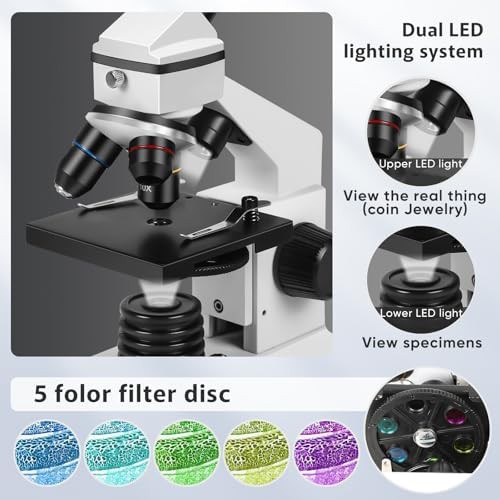
PALOBIL
Stereo plant microscope with dual light
$77.77
LED illuminated Laboratory For students For adults 1000x magnification
 9.3
9.3
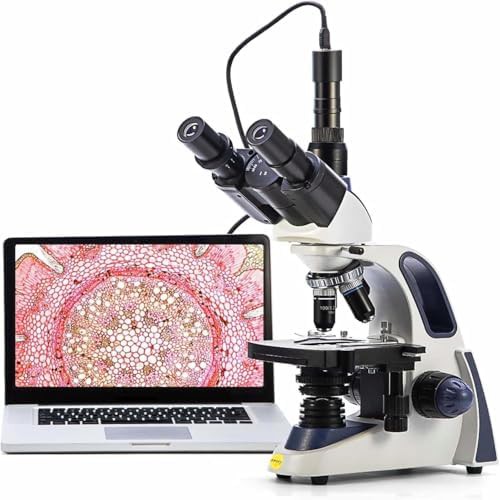
Swift
SW380t trinocular compound microscope with camera
$370
Laboratory With cameras Trinocular 2500x magnification USB
 9.2
9.2
 9.2
9.2
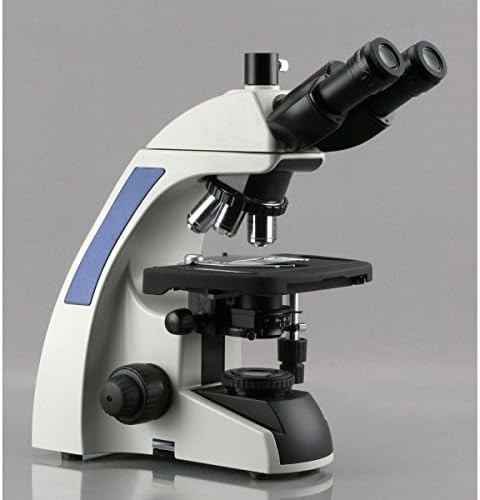
AmScope
Plan Infinity Laboratory Trinocular Compound Microscope
$1,777
Laboratory Trinocular 1000x magnification
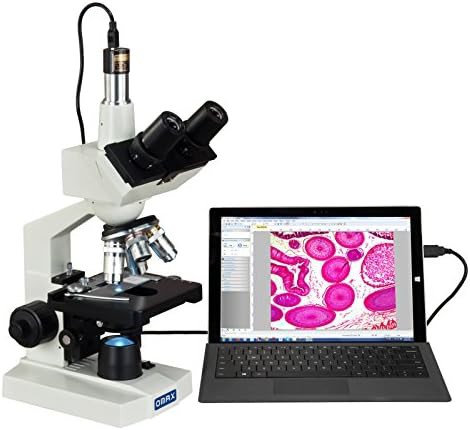 9.2
9.2
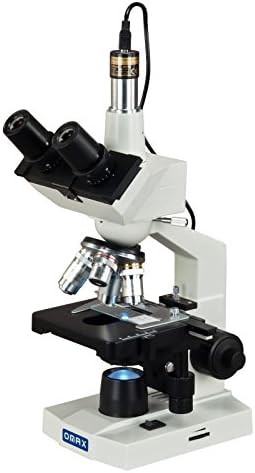
OMAX
Led digital trinocular compound microscope
$340
LED illuminated Laboratory Trinocular 1000x magnification Digital
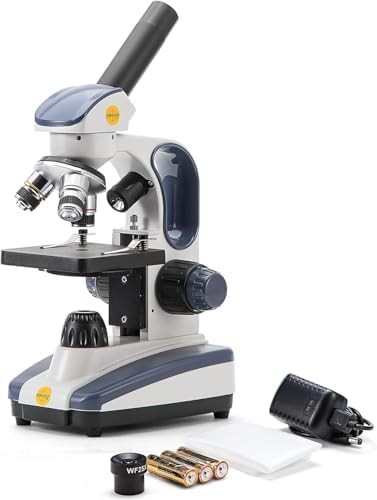 9.2
9.2
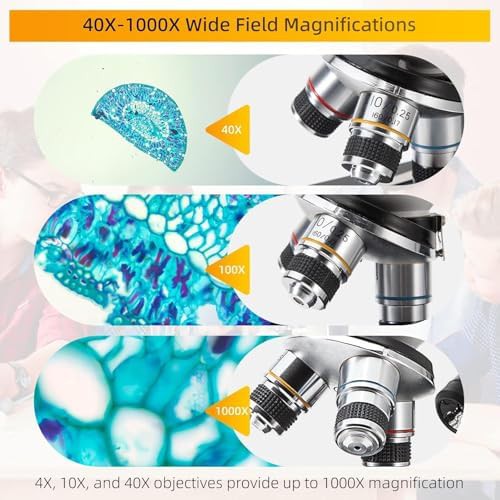
Swift
Cordless monocular student compound microscope 1000x
$93.99
LED illuminated For students 1000x magnification Monocular Dual light
 9.2
9.2
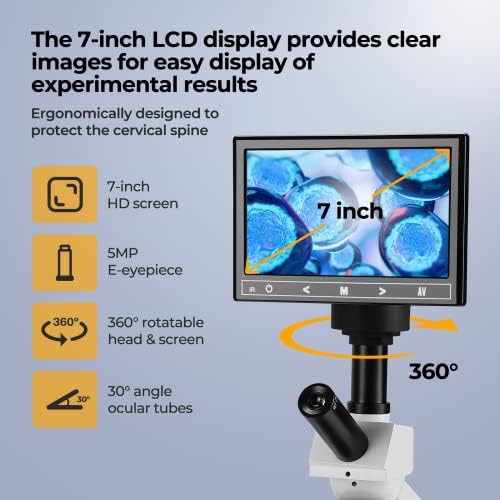
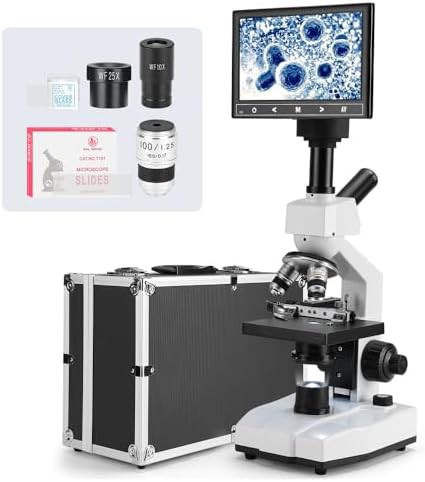
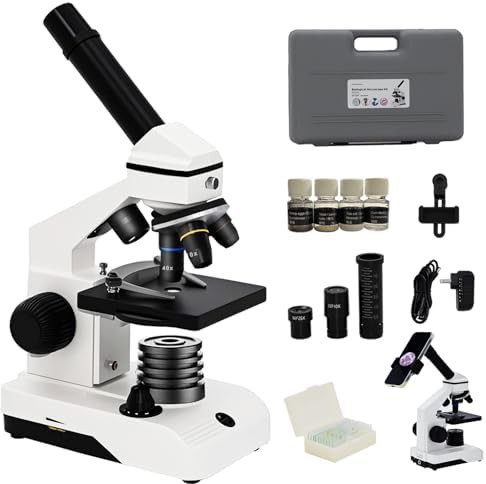
Vabiooth
Monocular Compound Microscope with Aluminum Case
$398
Laboratory 2500x magnification With mechanical stages Monocular With LCD screens
 9.2
9.2

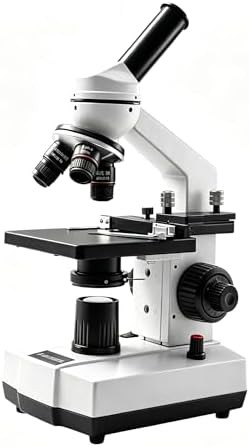
Wevision
Monocular Compound Microscope with Lab Kit
$67.99
LED illuminated Laboratory For students For adults 2000x magnification
 9.2
9.2
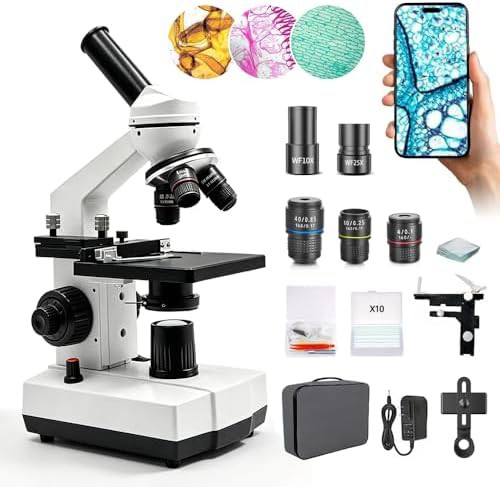
NEW ELITE
Biological compound microscope with metal body
$69.99
Laboratory For students For adults 1000x magnification Affordable
 9.1
9.1
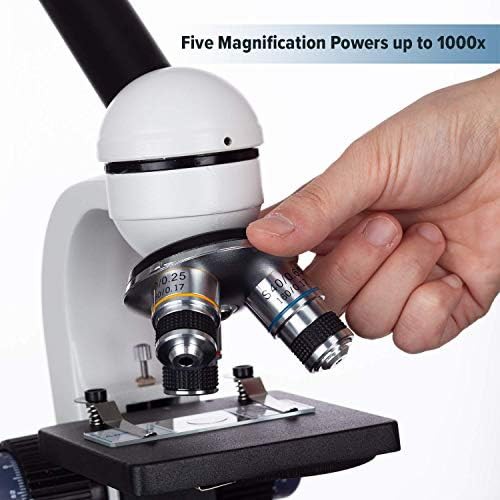
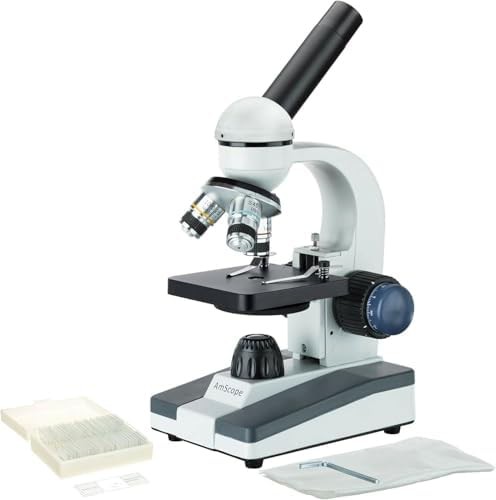
AmScope
Portable monocular compound microscope 2500x
$121
LED illuminated Laboratory For students 1000x magnification 2500x magnification
 9.1
9.1
 9.1
9.1
 9.1
9.1
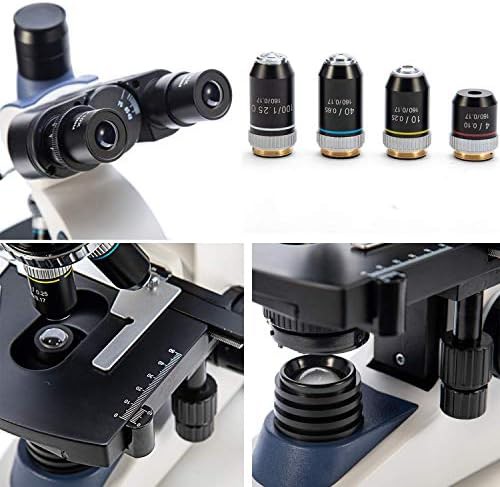
Swift
Trinocular compound microscope with camera port
$280
Laboratory With cameras Trinocular For students 2500x magnification
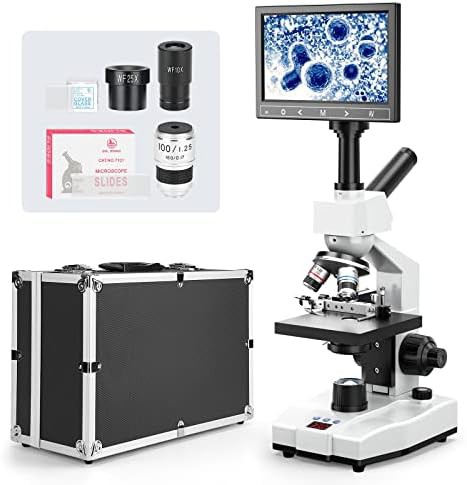 9.1
9.1
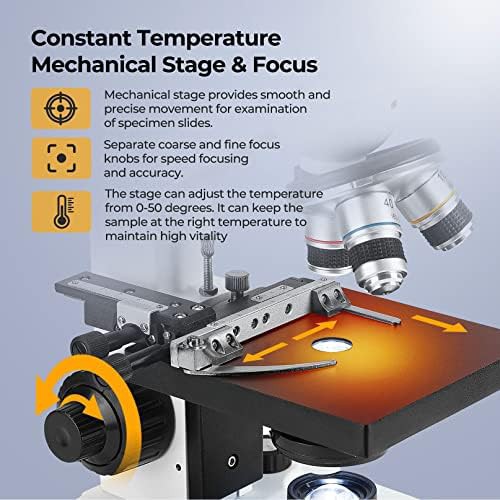
Vabiooth
Constant Temperature Lab Compound Microscope
$318
Laboratory With cameras 2500x magnification With mechanical stages Monocular
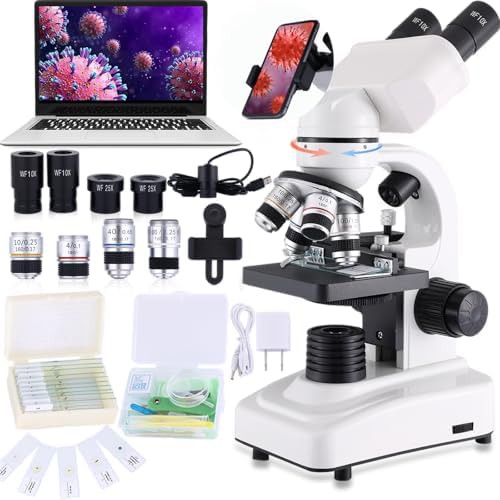 9.1
9.1
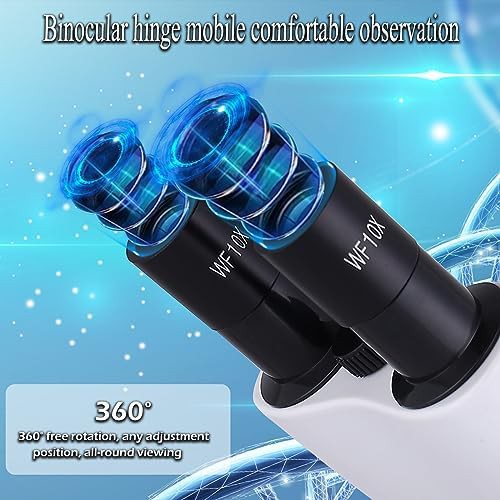
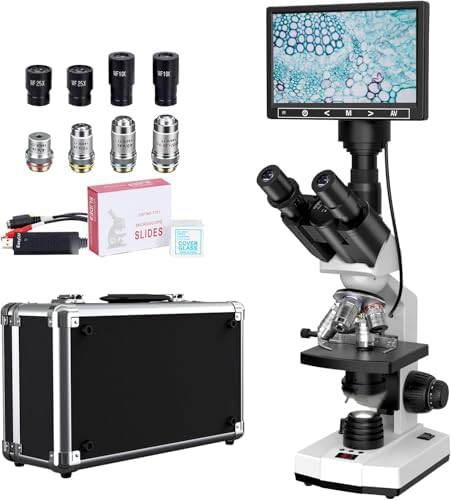
Herwicm
Compound Binocular Microscope with Mechanical Stage
$150
For adults Binocular 2500x magnification With mechanical stages Dual light
 9.1
9.1
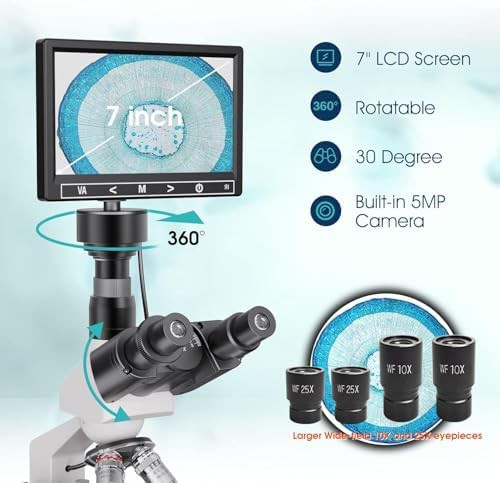
VITANO
Lab trinocular compound microscope with thermostat stage
$399
Laboratory With cameras Trinocular For adults 2500x magnification
 9.0
9.0
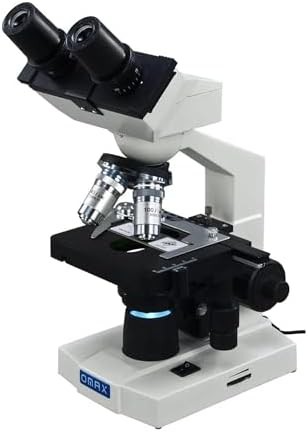
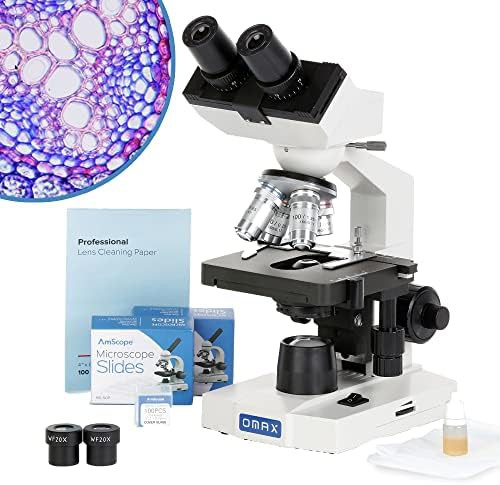
AmScope
Binocular compound microscope with slides kit
$278
1000x magnification Binocular 2000x magnification
 9.0
9.0
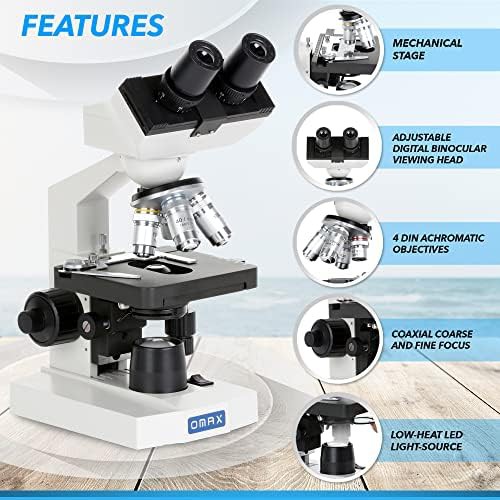
OMAX
OMAX 2000X binocular compound LED microscope blank slides kit
$278
LED illuminated 1000x magnification Binocular 2000x magnification
 9.0
9.0
 9.0
9.0
AmScope
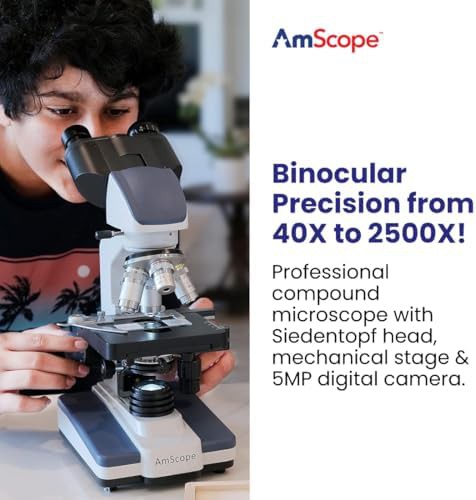
Professional Binocular Compound Microscope with 5MP Camera
$416
LED illuminated Laboratory For students Binocular 2500x magnification
 9.0
9.0
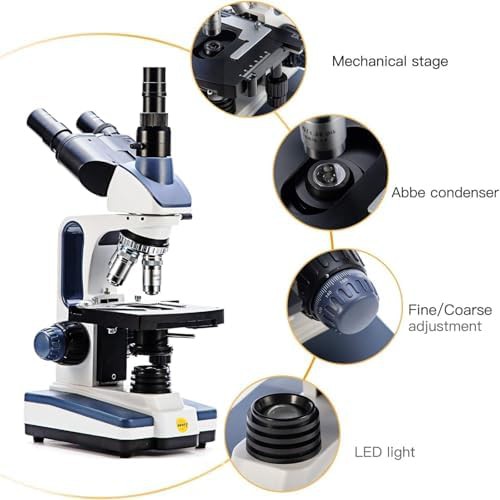
Swift
Trinocular microscope with 1.3mp USB camera
$280
Laboratory With cameras Trinocular For students 2500x magnification
 9.0
9.0
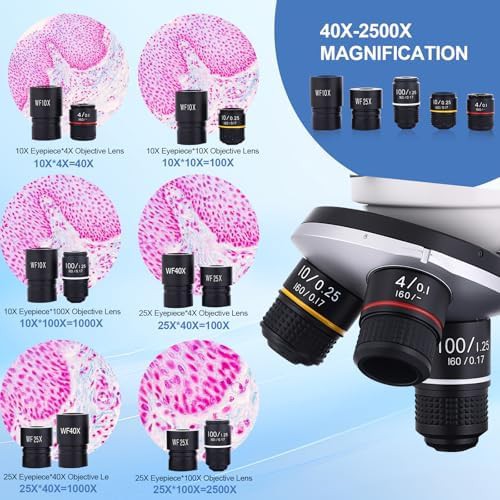
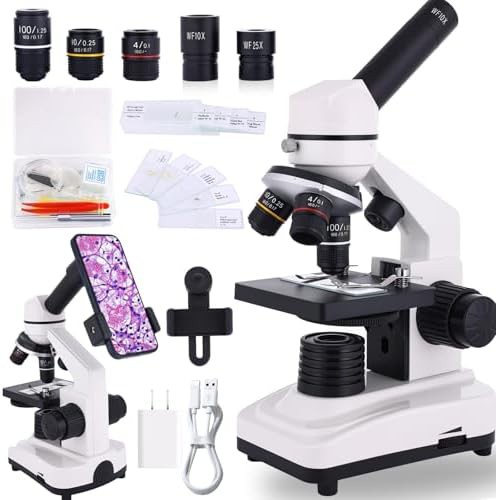
JECONE
White Compound Microscope with Phone Holder
$79.99
LED illuminated Laboratory For students For adults 2500x magnification
 9.0
9.0
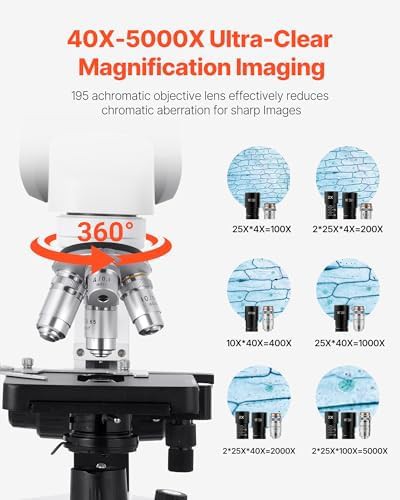
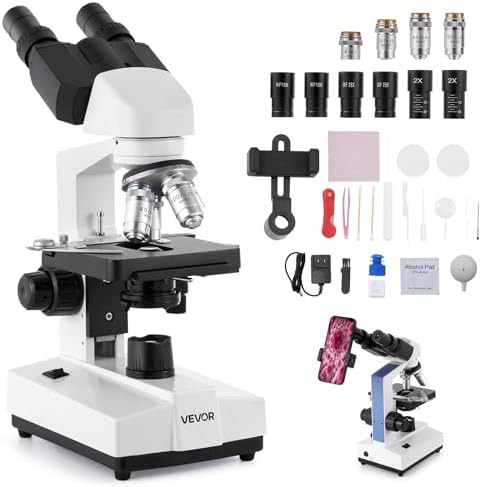
VEVOR
VEVOR Binocular Compound Microscope 5000X Magnification
$149
LED illuminated For adults Binocular Professional 5000x magnification
 9.0
9.0
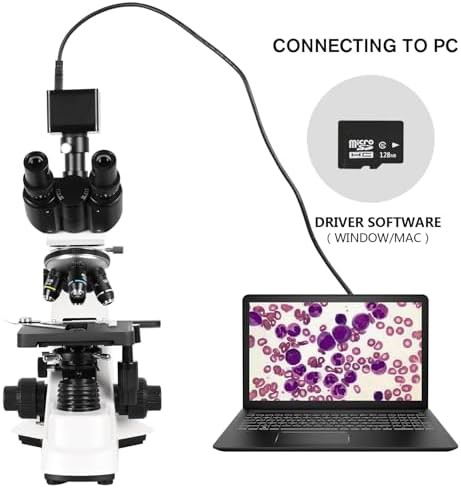
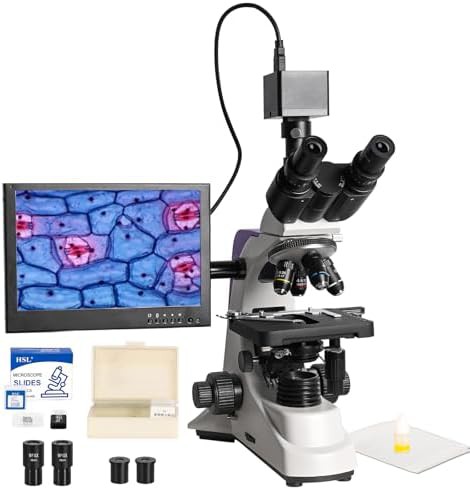
HSL
Ten inch trinocular microscope with 2K camera
$600
LED illuminated Laboratory With cameras Trinocular For students
 8.9
8.9
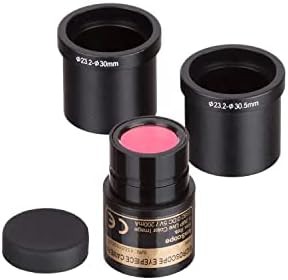
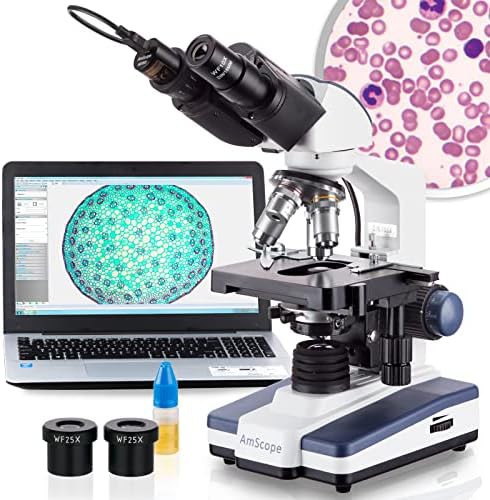
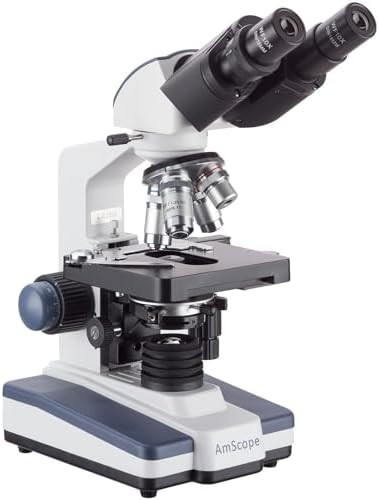
AmScope
Professional LED Binocular Compound Microscope
$352
LED illuminated Laboratory For students Binocular 2500x magnification
 8.9
8.9
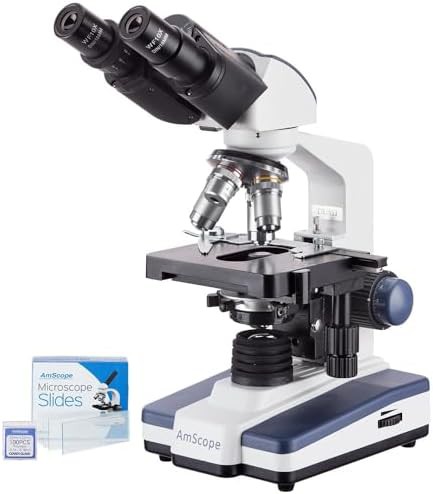
AmScope
Lab binocular compound microscope 2500x LED
$314
LED illuminated Laboratory For students Binocular 2500x magnification
 8.9
8.9
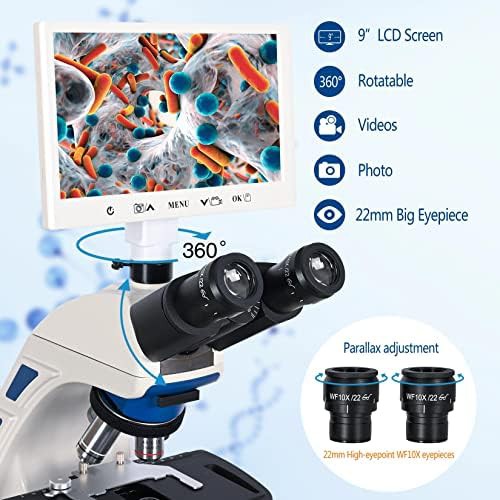
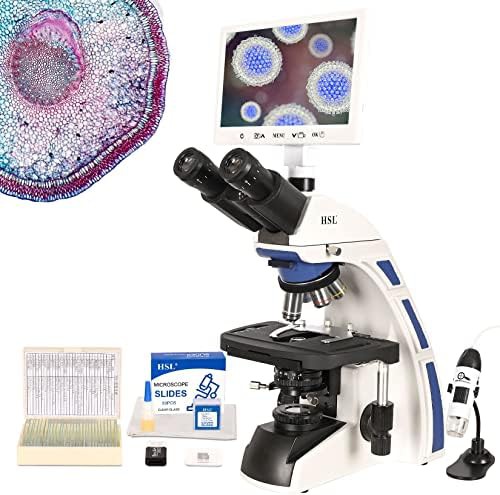
HSL
Trinocular digital microscope with screen
$800
Laboratory Trinocular For students For adults 1000x magnification
 8.8
8.8
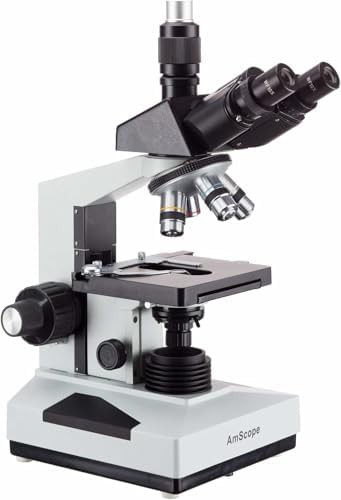
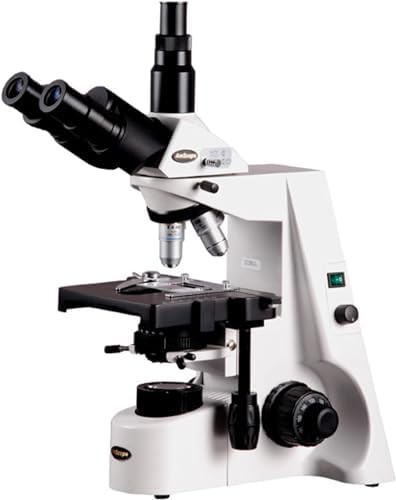
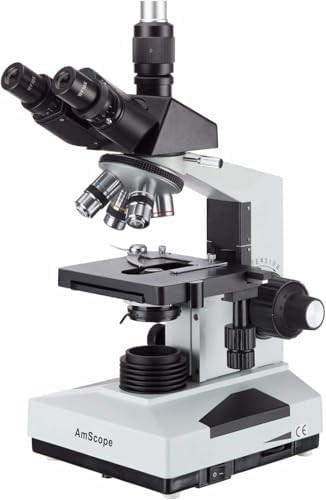
AmScope
Trinocular compound microscope mechanical stage
$460
Trinocular 2000x magnification With mechanical stages
 8.8
8.8
 8.8
8.8
Herwicm
Laboratory Compound Microscope with Abbe Condenser
$230
LED illuminated Laboratory For students For adults 1000x magnification
 8.8
8.8
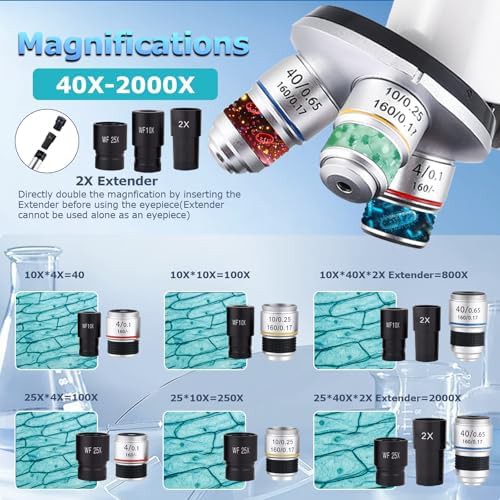
JECONE
Light White Microscope with Slides Set
$79.99
LED illuminated Laboratory For students For adults 2500x magnification
 8.7
8.7
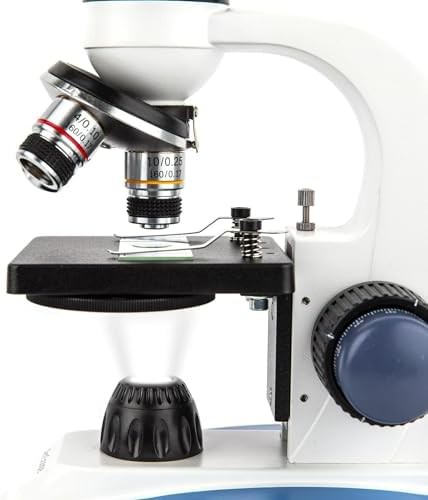
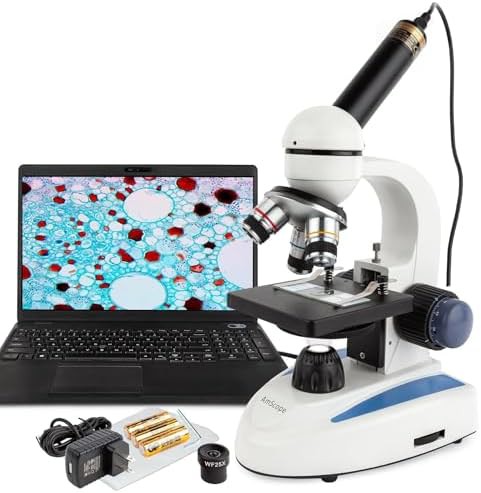
AmScope
Rotating head monocular microscope with USB
$157
LED illuminated With cameras 1000x magnification USB Monocular
 8.7
8.7
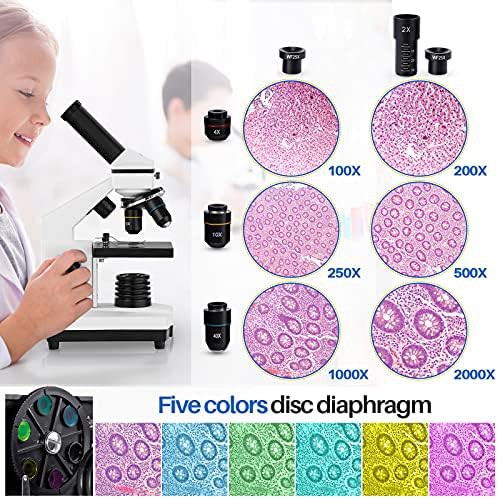
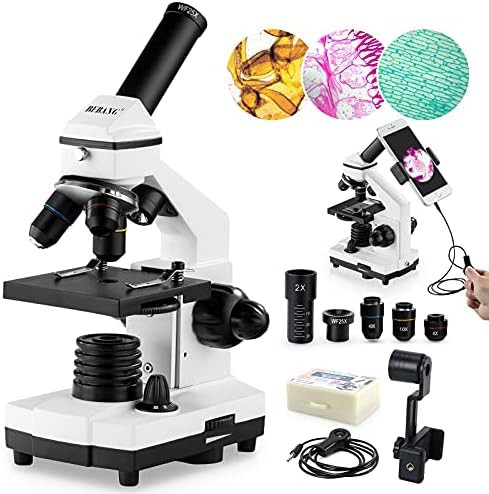
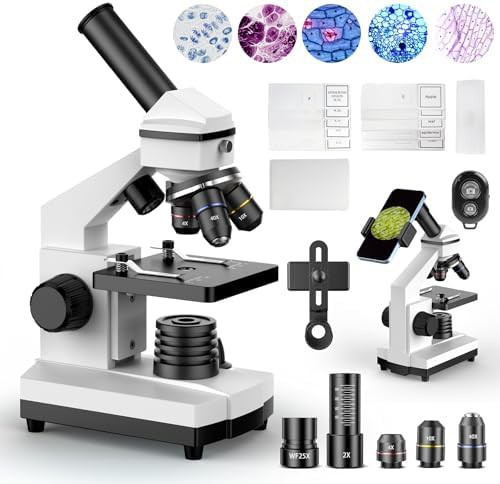
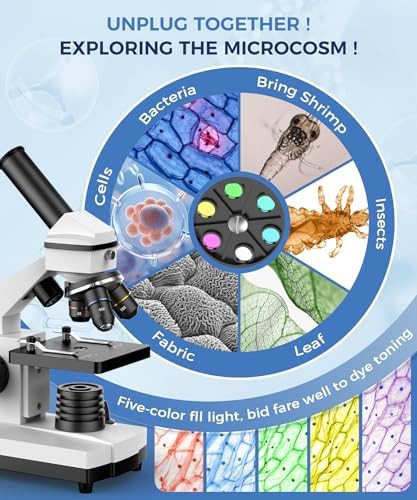
BEBANG
Compound biology microscope for student education
$68.99
For adults 1000x magnification 2000x magnification For kids
 8.7
8.7
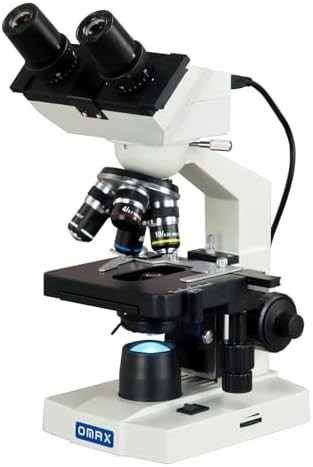
PalliPartners
White Student Compound Lab Microscope
$130
Laboratory For students For adults 1000x magnification 2000x magnification
 8.6
8.6
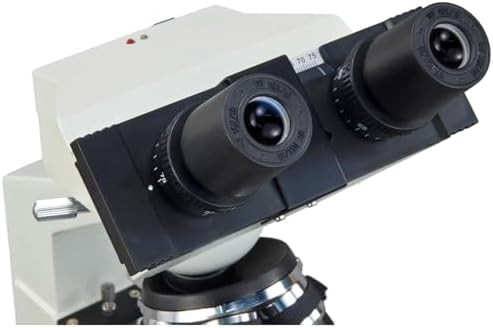
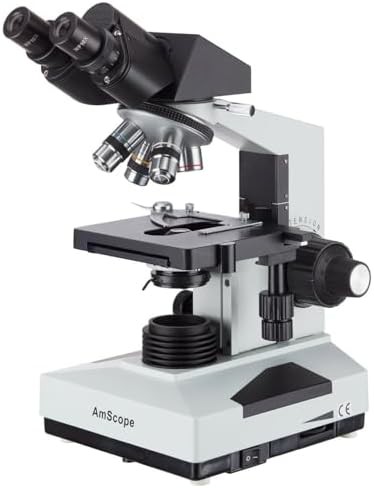
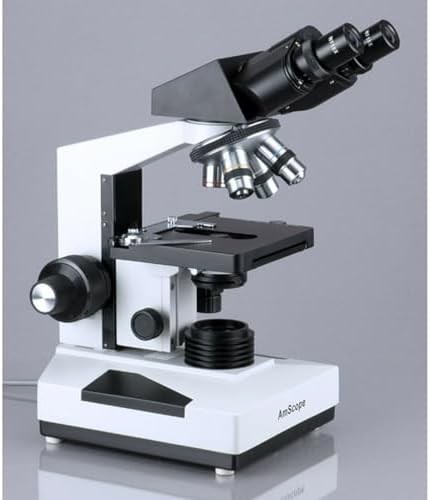
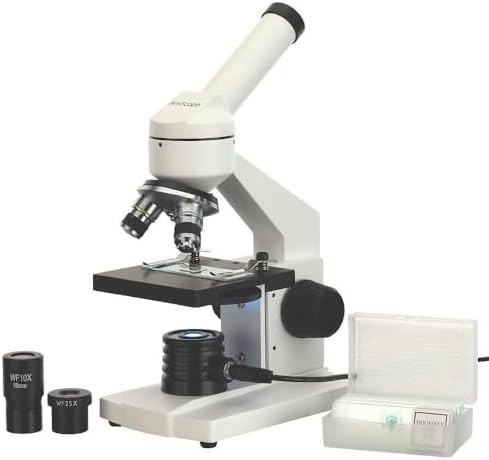
OMAX
Digital led compound microscope for students
$454
LED illuminated Laboratory For students Digital 2000x magnification
 8.6
8.6
 8.6
8.6
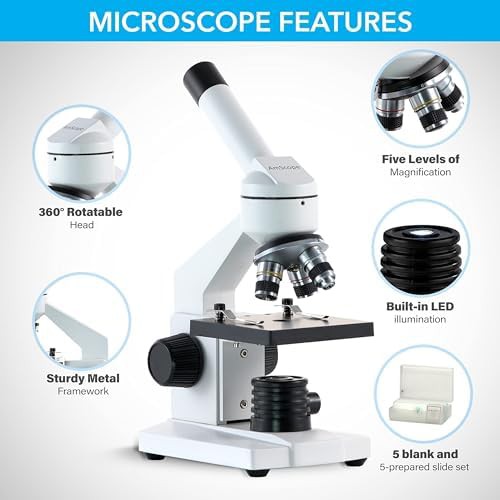
AmScope
Monocular Biological Compound Microscope with Prepared Slides
$71.71
LED illuminated 1000x magnification Monocular Biological With prepared slides
 8.5
8.5
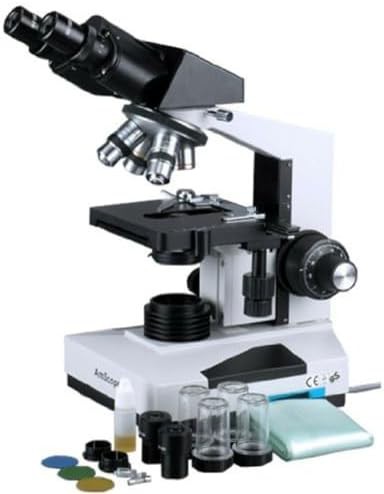
AmScope
Binocular Compound Microscope with Mechanical Stage
$385
Binocular 2000x magnification With mechanical stages With Abbe condensers
 8.5
8.5
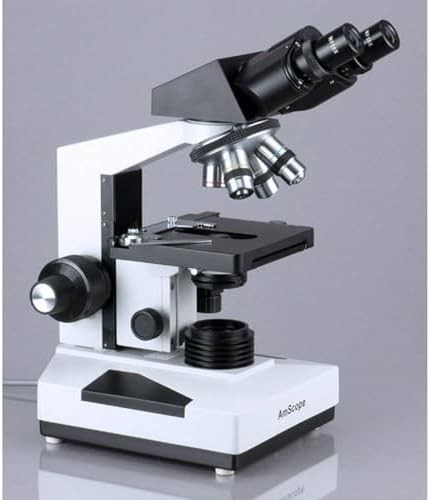
AmScope
1600x compound binocular biological microscope
$423
Binocular With mechanical stages Biological 1600x magnification
 8.5
8.5
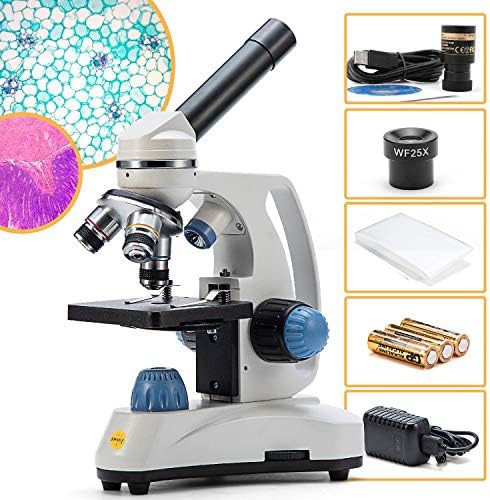
Swift
Monocular lab microscope with digital eyepiece camera
$109
Laboratory With cameras For students 1000x magnification Monocular
 8.5
8.5

Poothoh
Binocular research grade microscope with mechanical stage
$140
Laboratory For students For adults Binocular 2000x magnification
 8.5
8.5

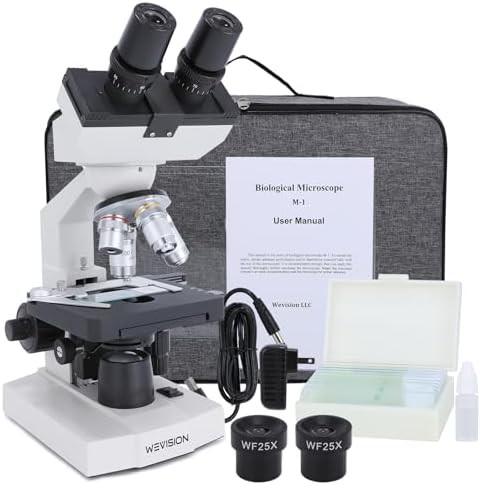
Wevision
Professional Binocular Compound Microscope with LED
$200
LED illuminated Laboratory Binocular 2500x magnification Professional
High Magnification Optical Systems
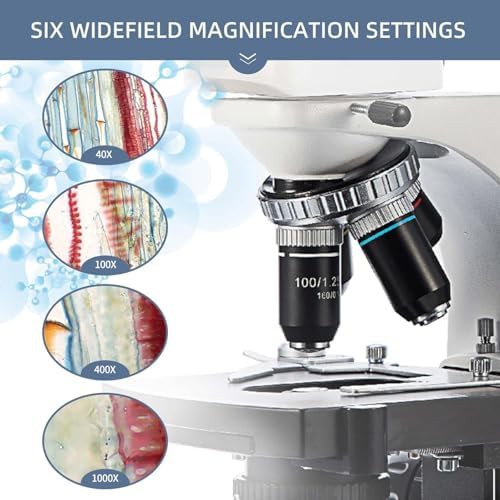
Compound microscopes utilize a series of lenses to achieve high magnification levels suitable for examining cellular structures and microorganisms. These instruments are designed to pass light through transparent or thinly sliced specimens mounted on glass slides. The optical path typically involves an objective lens near the specimen and an eyepiece for the viewer, working together to resolve details that are invisible to the naked eye.
Distinctions from Stereo Models
Unlike stereo microscopes that provide a three-dimensional view of solid objects at lower power, these units focus on high-resolution, two-dimensional imaging. They are specialized for laboratory and educational environments where the study of blood smears, pond water, or plant tissues is required. The magnification range is significantly broader than surface-viewing tools, often reaching levels from 40X up to 2500X.
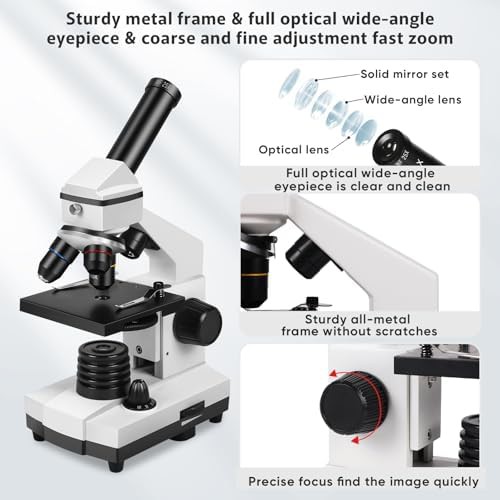
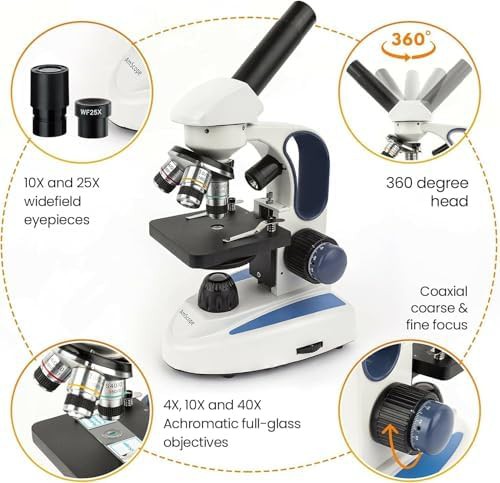
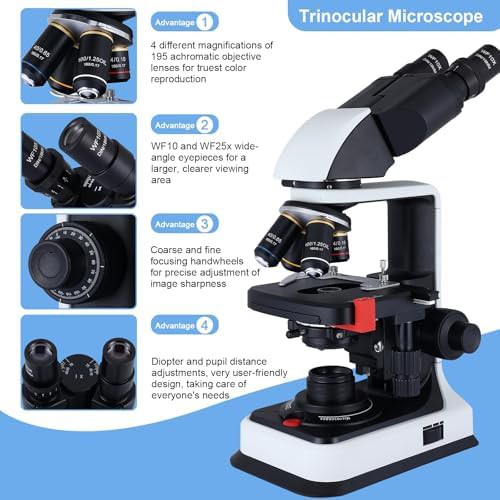
Precision is managed through dual focusing mechanisms that include both coarse and fine adjustment knobs. This allows the user to find the general focal plane quickly before refining the image for maximum clarity at high power. Many models feature specialized heads such as the Siedentopf design, which allows for interpupillary adjustment without affecting the focus of the instrument.
Construction and Mechanical Features
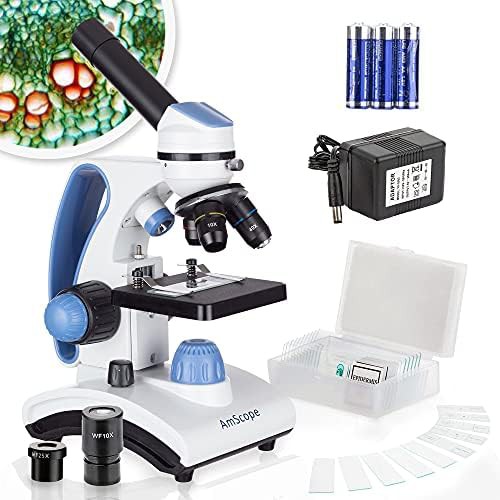
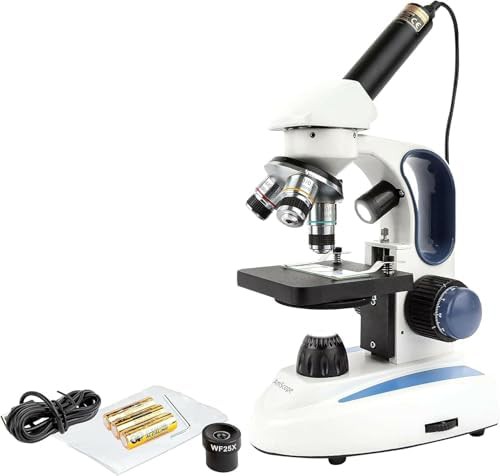
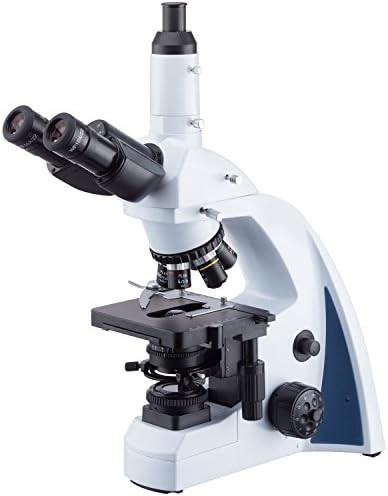
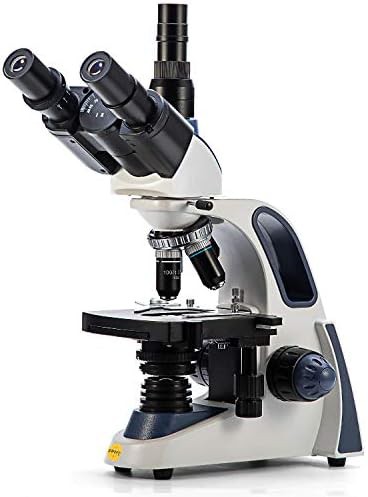
The physical build of these microscopes often includes a sturdy metal frame finished in neutral tones like black or blue. Many units incorporate a mechanical stage with coaxial controls, allowing for the precise movement of the slide along the X and Y axes. Standard configurations include: monocular heads, binocular heads, trinocular heads, wide-field eyepieces, abbe condensers.
Common questions
Compound Microscope Essentials
What is the purpose of the fine focus knob?
The fine focus knob allows for minute adjustments to the distance between the objective lens and the specimen. This is critical at high magnifications where the depth of field is extremely shallow and slight movements are needed to sharpen the image. It ensures that specific layers of a cell or tissue can be brought into crisp view.
How does a Siedentopf head improve the viewing experience?
A Siedentopf head allows the eyepieces to rotate up and down to adjust for the distance between the user's eyes. Unlike other designs, this adjustment does not change the tube length or the focus of the microscope. This makes it easier for multiple people to use the same instrument without constantly refocusing.
Can these microscopes be used without a power outlet?
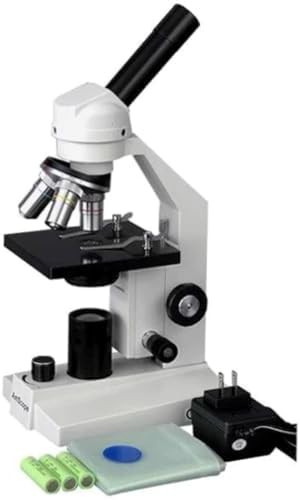
Several models are designed with cordless capability, utilizing rechargeable batteries or standard cells to power the internal light source. This portability is useful for field work or in classrooms where outlet access is limited. The LED illumination used in these units is efficient enough to provide hours of bright light on a single charge.
What is the function of a mechanical stage?
A mechanical stage holds the slide firmly in place and allows the user to move it smoothly using control knobs. This is much more precise than moving a slide by hand, especially at magnifications over 400X. It allows for systematic scanning of a specimen to ensure no area is missed during observation.